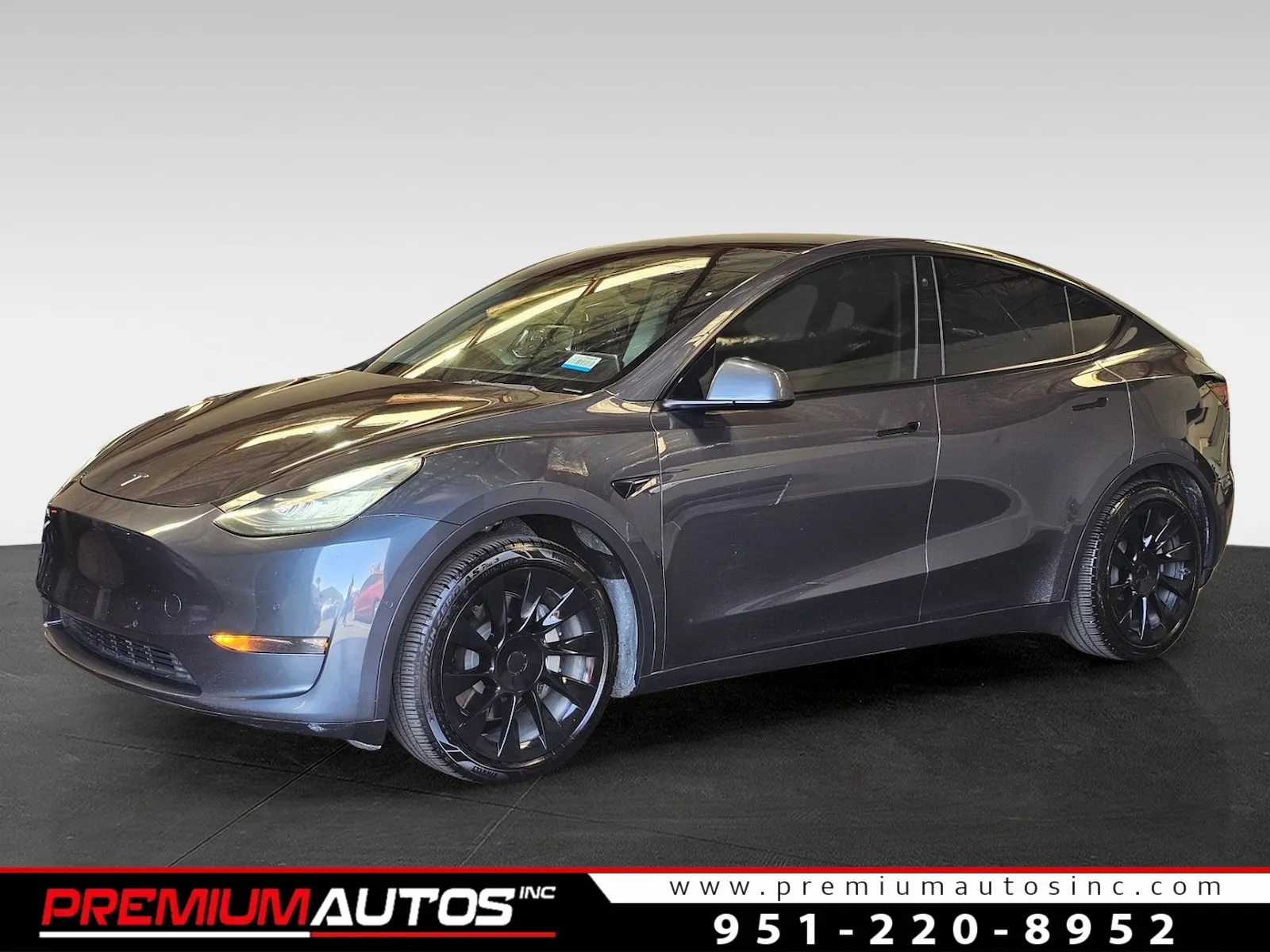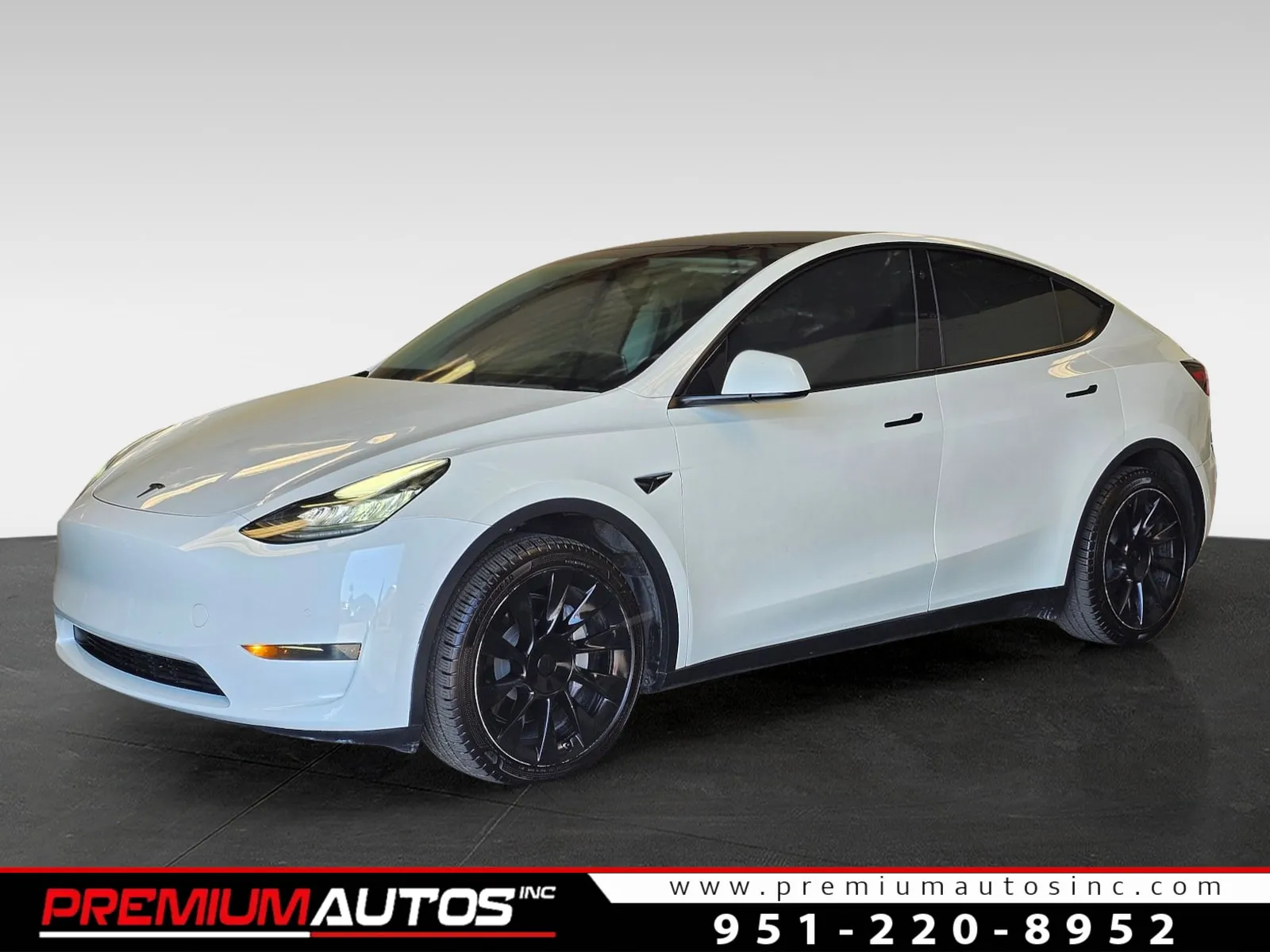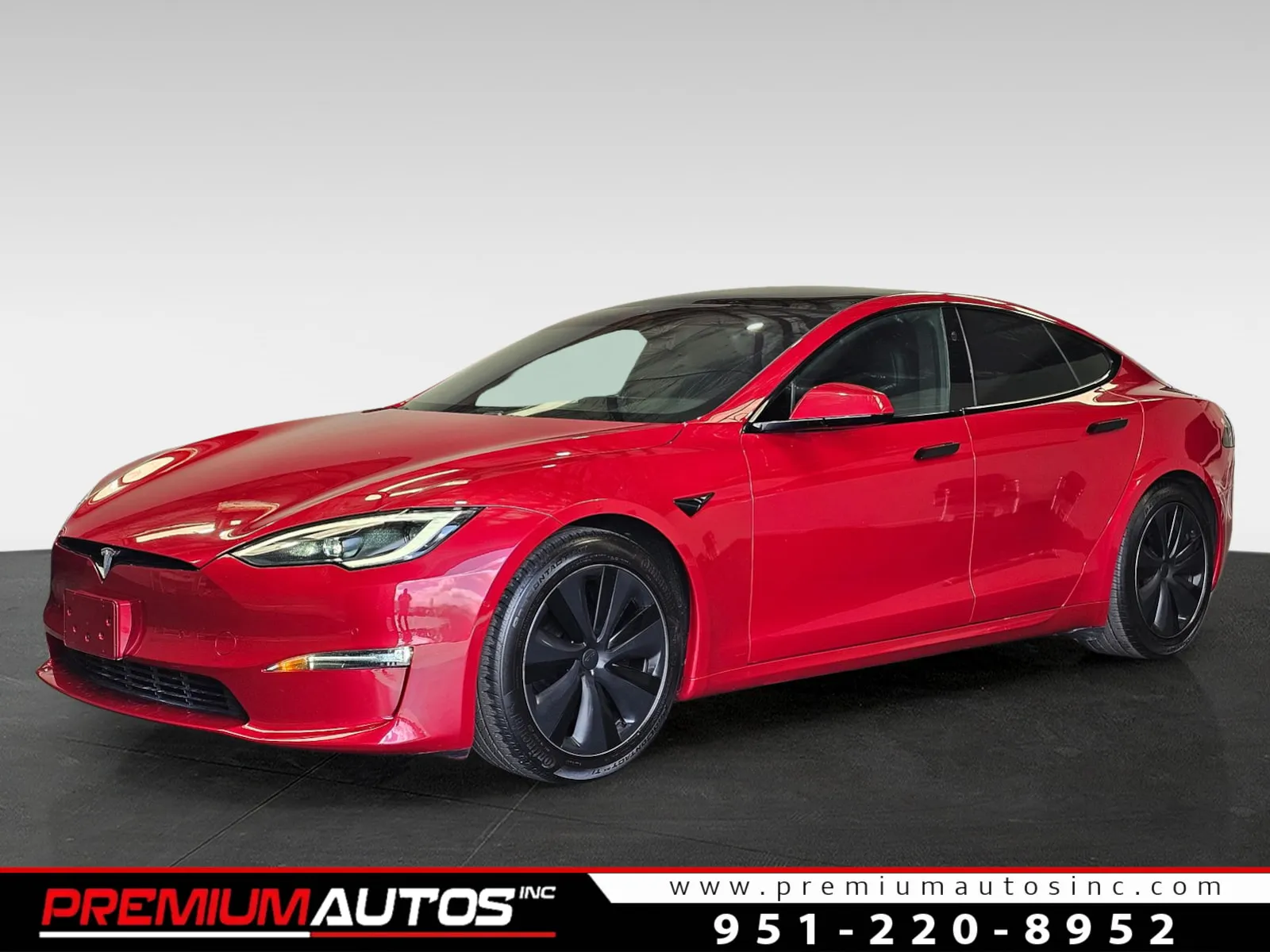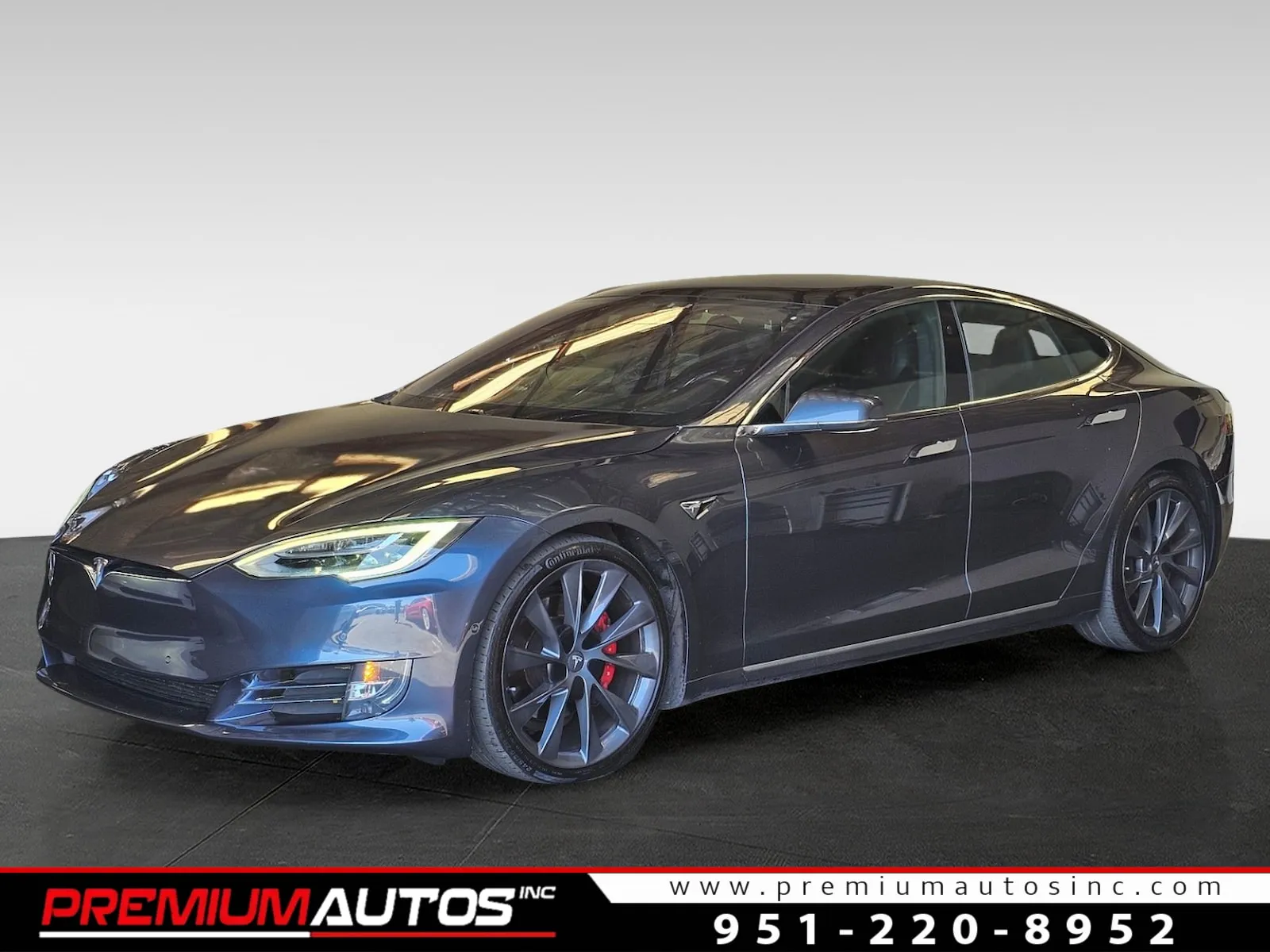
Why Buy a Used Tesla vs New
Why Buy a Used Tesla vs New
Buying a used Tesla can save you money while still offering great performance and features. Here’s why:
- Price Drops: Used Tesla prices have fallen by 31.8% in the past year, making them more affordable than ever. In contrast, gas-powered cars only saw a 3.6% price drop.
- Tax Credits: Federal incentives of up to $4,000 and state programs (like California’s $7,500) can make used Teslas even cheaper.
- Depreciation: New cars lose value quickly. Used Teslas avoid the steepest depreciation, saving you money over time.
- Battery and Warranty: Tesla batteries last long, and used models often include transferable warranties for peace of mind.
- Lower Maintenance Costs: Teslas require less upkeep than gas cars, saving you $700–$1,000 annually on average.
- Features: Older Teslas still offer excellent driving experiences, though newer models may include advanced hardware for Full Self-Driving.
Quick Tip: Check the car’s battery health, hardware version, and warranty status before buying. Whether you choose a dealership or private seller, a used Tesla can be a smart choice for your budget and lifestyle.
Should You Buy A New Tesla Model 3 Or A Cheap Used One?
Cost Savings: New vs. Used Tesla Pricing
When it comes to buying a Tesla, the difference in price between new and used models can be quite noticeable, often making used options an appealing choice for budget-conscious buyers. While new Teslas offer the latest features and come with full warranty coverage, used models allow you to sidestep the sharp depreciation that new cars face right off the lot. This means you save not only on the upfront cost but also benefit from a slower depreciation curve over time.
Understanding the Price Difference
The exact cost of a Tesla - whether new or used - depends on factors like the model year, mileage, condition, and location. That said, used Teslas typically present a more affordable way to access Tesla's cutting-edge technology and performance. By purchasing a pre-owned Tesla, you're essentially paying a price that reflects the natural depreciation most vehicles undergo in their early years, without sacrificing the core features that make Teslas stand out.
How Depreciation Works in Your Favor
New cars start to lose value as soon as they leave the dealership, with the largest drop happening in the first few years. When you buy a used Tesla, the previous owner has already absorbed that initial depreciation hit, leaving you with a car that depreciates more gradually over time. Plus, Teslas tend to hold their value better than many traditional gas-powered vehicles.
This means you can enjoy a Tesla that still has plenty of life left in it while avoiding the steepest losses in value. By choosing a used model, you reduce your initial investment, limit depreciation risks, and still experience the perks of Tesla ownership - all without the premium price tag of a brand-new car.
Battery Performance and Lifespan in Used Teslas
When it comes to buying a used Tesla, battery health is often a top concern. Thankfully, Tesla's transferable warranty provides some peace of mind for potential buyers.
Battery Degradation and Warranty Coverage
Tesla batteries naturally experience some capacity loss over time. However, the Battery and Drive Unit Limited Warranty - which is fully transferable - offers protection against manufacturing defects and guarantees at least 70% battery capacity retention. If a defect causes the battery's capacity to drop below this 70% threshold, Tesla will repair or replace it at no charge.
It’s worth noting that the warranty doesn’t cover normal degradation beyond the 70% mark. This makes it essential for owners to pay attention to how their charging habits might influence long-term battery health.
How Long Tesla Batteries Last
Tesla designs its batteries with durability in mind. While some initial capacity loss is expected, the rate of degradation slows significantly after the first year. Factors like frequent use of rapid charging or always charging to 100% can speed up wear. On the other hand, charging at home and keeping the battery level between 80–90% helps maintain its health over time.
To put this into perspective: even if a used Model 3 Long Range drops to 90% capacity, it would still offer around 315 miles of range compared to its original 350 miles. That’s more than enough for most daily driving needs.
Hardware Generations and Features: What You Get
Tesla's hardware evolution goes beyond just battery life - it directly impacts your driving experience, shaping both the features you enjoy today and the ones future updates could unlock.
Hardware Versions Across Model Years
Tesla has introduced multiple hardware generations over the years, each bringing varying levels of Autopilot and Full Self-Driving capabilities. For instance, older models equipped with Hardware 2.5 provide basic driver assistance features but lack access to advanced functionalities.
In 2019, Tesla rolled out Hardware 3.0, also known as the Full Self-Driving Computer. This upgrade significantly boosted processing power, enabling more complex driver assistance features. However, the hardware in your Tesla determines whether or not you can access Tesla's latest advancements. Older models, even with software updates, often cannot support the newest features.
If you're considering a used Tesla, it's essential to check the car's settings to confirm the installed hardware version. Additionally, verify whether the original owner purchased Full Self-Driving, as unlocking this feature later comes with a hefty price tag. Understanding the differences in hardware generations can help you weigh the trade-offs between cost and advanced features.
Choosing Between Features and Budget
When deciding which Tesla to buy, it often boils down to balancing your budget with the features you need.
If your primary goal is reliable transportation with solid driver assistance - such as adaptive cruise control, lane keeping, and automatic emergency braking - an older model with Hardware 2.5 or 3.0 might be a smart, cost-effective option. These features are excellent for highway driving and stop-and-go traffic, meeting the needs of many drivers.
However, if you're looking for cutting-edge capabilities or want to future-proof your vehicle for upcoming software updates, investing in a newer hardware generation could be worth the extra cost. Tesla's rapid technological advancements mean that older models, even with consistent software updates, may not support the latest Full Self-Driving features.
For budget-conscious buyers, it's important to note that lower-priced used Teslas might lack the hardware needed for Tesla's most advanced features. For example, a 2018 Model 3 with Hardware 2.5 can still deliver a fantastic electric driving experience with robust driver assistance, even if it doesn’t support the newest Full Self-Driving capabilities.
If Full Self-Driving is a priority, check whether it's already included with the used Tesla. When buying from a private seller, the feature typically transfers to the new owner. Adding Full Self-Driving later, however, can cost thousands of dollars, which is something to factor into your overall budget.
Many buyers find that models from 2019 to 2022, equipped with Hardware 3.0, offer a great middle ground. These vehicles provide strong Autopilot performance, regular software updates, and a more affordable price compared to brand-new Teslas, making them an appealing choice for those seeking modern features without breaking the bank.
sbb-itb-66f4901
Warranty, Reliability, and Maintenance Costs
When deciding between a new or used Tesla, understanding the details of warranty coverage and long-term maintenance costs is key. New models come with extensive warranties, but used Teslas often retain a good portion of their original coverage, offering reassurance for buyers.
Warranty Comparison: New vs. Used Tesla
Tesla offers two primary warranties for new vehicles: a basic vehicle warranty that covers four years or 50,000 miles (whichever comes first) and a battery and drive unit warranty that lasts eight years or between 100,000 to 150,000 miles, depending on the model. The battery warranty also ensures at least 70% capacity retention during the coverage period.
Used Teslas transfer any remaining warranty to the new owner. For example, a 2021 Model 3 purchased in November 2025 would still have its battery warranty valid until 2029, assuming mileage limits haven’t been reached. This is particularly reassuring for buyers since the battery pack is one of the most expensive components.
The basic vehicle warranty covers essential systems like the touchscreen, door handles, windows, and other electrical parts. If the used Tesla is still within its four-year warranty period, you’ll benefit from this coverage. Once it expires, however, repairs for these systems will be your responsibility.
| Warranty Type | New Tesla | Used Tesla (Example: 2021 Model) |
|---|---|---|
| Basic Vehicle | 4 years / 50,000 miles | Remaining coverage (if under 4 years old) |
| Battery & Drive Unit | 8 years / 100,000-150,000 miles | Remaining coverage transfers to new owner |
| Capacity Guarantee | 70% minimum retention | Same guarantee applies if within warranty |
Tesla offers an Extended Service Agreement, but it must be purchased before the basic warranty expires. If you’re considering a used Tesla nearing the end of its basic warranty, this is something to act on quickly.
For certified pre-owned Teslas bought directly from Tesla, there’s an additional Used Vehicle Limited Warranty that provides one year or 10,000 miles of coverage (whichever comes first) on top of any remaining original warranty. However, this extra coverage isn’t available if you buy from third-party dealerships or private sellers.
Tesla’s warranty structure aligns well with its low-maintenance design, keeping ownership costs manageable.
Maintenance and Reliability of Used Models
Tesla vehicles are designed to minimize maintenance needs, which is a major advantage over traditional gas-powered cars. There are no oil changes, transmission fluid replacements, spark plug replacements, or exhaust system repairs to worry about. This simplicity translates into lower long-term costs.
For used Teslas, routine maintenance primarily involves tire rotations (recommended every 6,250 miles), brake fluid replacements (every two years), and cabin air filter changes (also every two years). Thanks to regenerative braking - which uses the electric motor to slow the car and recover energy - brake pads last significantly longer than in gas-powered vehicles.
Tesla’s electric motors are built with fewer moving parts, making them highly durable. The drive unit typically requires no maintenance under normal conditions, which means even a five-year-old Tesla can often outperform a similarly aged gas-powered luxury car in terms of dependability.
That said, tire wear is a notable consideration. Tesla’s instant torque and the added weight of the battery pack can lead to faster tire wear. Replacing a full set of tires can cost between $800 and $1,200, depending on the model and tire brand. These costs are consistent for both new and used Teslas and depend largely on driving habits and conditions.
The 12-volt battery, separate from the main battery pack, usually needs replacing every four to five years. This is a relatively minor expense, typically ranging from $100 to $300.
Battery coolant replacement for the thermal management system is another occasional maintenance item. Tesla recommends this service only as needed, which most owners won’t encounter for many years. When it does arise, expect to pay between $400 and $600.
Insurance costs for used Teslas are generally lower than for new models due to their reduced replacement value. However, repairs for body damage can still be pricey, as Tesla vehicles use aluminum construction and specialized parts. It’s a good idea to get insurance quotes beforehand to factor this into your overall ownership costs.
On average, maintaining a used Tesla costs between $300 and $500 annually for routine services, compared to $1,200 to $1,500 or more for a comparable gas-powered luxury sedan. Over time, this difference can make a used Tesla a much more cost-effective choice.
Tax Incentives and Financing Benefits for Used Teslas
Beyond their relatively low maintenance costs, used Teslas come with financial perks that make them even more appealing. From tax incentives to flexible financing options, buying a used Tesla can be a smart financial move.
Federal and State Tax Credits
If you're considering a used Tesla, you might qualify for federal tax credits of up to $4,000. On top of that, many states offer their own credits or rebates, which can further reduce the purchase price. Since these programs vary by location, it’s a good idea to check your state’s current eligibility rules and details.
Financing Options for Used Teslas
Financing a used Tesla is typically straightforward, especially when buying through a dealership. Dealerships often provide tools like pre-approval options and online loan calculators to simplify the process. If you're buying from a private seller, you'll need to arrange financing on your own. However, since used Teslas generally cost less than new ones, the loan amount - and by extension, your monthly payments - can be significantly lower.
Interestingly, about 25% of electric vehicle shoppers are leaning toward used models, with Millennials making up 32% of that group. To get the best deal, consider securing pre-approval and comparing loan offers from multiple lenders. It’s worth the effort to lock in a favorable rate.
What to Check Before Buying a Used Tesla
Buying a used Tesla comes with its own set of considerations, thanks to the unique technology and features Tesla vehicles offer. To avoid unexpected costs and headaches, there are specific checks you should perform before making a purchase.
Inspection and Verification Tips
Start by getting a comprehensive vehicle history report from a service like CARFAX. This will help you verify past ownership, accident history, and service records. If the seller provides access to the MyTesla account, review the detailed service history and any previous repairs. This can give you insight into potential recurring issues or future expenses. For private sales, ask for login details to access the complete service records and option codes, which will show exactly what features the car includes.
Double-check the status of the warranty, the title, and whether there’s any outstanding finance or history of significant accident damage. Tesla is often hesitant to support vehicles with major accident histories, even if they’ve been repaired, so this is a critical step. Also, confirm there are no liens on the vehicle before moving forward.
Some features, like unlimited Supercharging, Autopilot, and Premium Connectivity, may not transfer to the new owner. Use the Tesla touchscreen to verify the car’s software specifications and confirm these features directly.
The VIN number is another valuable tool. It can reveal the car’s build date and help you decode its options, ensuring the advertised features match the actual vehicle. This is especially useful when verifying the seller’s claims.
Pay close attention to the mileage and overall condition of the car. While Tesla batteries are built to last, high-mileage cars might show wear in other areas, such as tires, suspension, or the interior. Watch for signs of excessive wear that don’t align with the mileage, as these could indicate odometer tampering or unusually rough use.
By performing these checks, you can better balance the potential cost savings of buying used with the risks involved. Once you’ve completed your due diligence, consider whether buying from a dealership or a private seller aligns with your needs.
Buying from a Dealership vs. Private Sellers
Where you choose to buy your used Tesla can have a big impact on your overall experience and the level of protection you receive. Both dealerships and private sellers come with their own pros and cons.
Dealerships, like Premium Autos Inc, offer the advantage of convenience and quality assurance. Their vehicles usually go through detailed inspections before being listed for sale. Dealerships also handle the title transfer, registration, and other paperwork, making the process smoother. Financing options are typically available, including pre-approval tools and loan calculators. Additionally, dealerships often provide limited warranties or some level of recourse if something goes wrong after the purchase. While you’ll likely pay more upfront compared to a private sale, the added peace of mind and reduced hassle can make the extra cost worthwhile.
Private sellers, on the other hand, often offer lower prices since they don’t have the overhead costs of running a business. You might score a better deal, especially if the seller is eager to sell quickly. However, buying from a private seller comes with increased responsibility. You’ll need to arrange your own financing, handle all the paperwork, and perform a more thorough inspection of the vehicle. Unlike dealerships, private sellers don’t offer guarantees - once you drive off, any problems that arise are yours to deal with. Make sure to gain access to all digital records before completing the purchase.
Both options have their merits, so the best choice depends on your priorities - whether it’s saving money, minimizing hassle, or having added protections in place.
Conclusion: Making the Right Choice for Your Needs
Choosing between a new and a used Tesla depends largely on your priorities and financial situation. If you're aiming to get the most for your money, a used Tesla can be a smart option. By avoiding the steep depreciation that occurs with new cars, you can stretch your investment further.
When it comes to battery health, used Teslas are known for holding up well over time. Opting for a used model with relatively low mileage often means minimal battery degradation and plenty of life left in the vehicle. Plus, many used Teslas still have battery warranty coverage, offering added reassurance.
As for features and technology, it’s important to assess what matters most to you. While older models may not include the very latest hardware, they still deliver the essential Tesla experience - quick acceleration, over-the-air software updates, and access to the Supercharger network. If cutting-edge features aren’t a dealbreaker, slightly older models can be an excellent choice.
Tax incentives are another factor to consider. Federal credits, along with possible state or local incentives, can significantly lower the cost of buying a used electric vehicle. These savings make the financial case for a used Tesla even stronger.
Before making your purchase, take the time to do a thorough evaluation. Whether you buy from a dealership or a private seller, weigh the convenience and protections offered by dealerships against the potential for a lower price from private sales. For those seeking a reliable used Tesla, Premium Autos Inc offers a carefully curated selection at their Norco and El Monte, CA locations. With professional inspections, financing options, and a transparent buying process, they make it easier to find a vehicle that fits your needs and budget.
Ultimately, the best choice comes down to your unique situation. Factors like depreciation, battery performance, and feature preferences all play a role. Expert inspections and dependable service can add even more value to a used Tesla. Think about your budget, the features you can’t live without, and how long you plan to own the car. A used Tesla can offer an affordable way to enjoy the perks of electric vehicle ownership without straining your finances.
FAQs
What are the advantages of buying a used Tesla instead of a new one?
Buying a used Tesla comes with a range of benefits that make it an attractive option for many buyers. One of the biggest perks is saving money. Used Teslas are usually much cheaper than new ones, allowing you to dodge the heavy depreciation that typically hits during the first few years of ownership. Plus, thanks to Tesla's over-the-air software updates, even older models often feature the latest technology and enhancements.
Another key benefit is the potential for remaining warranty coverage. Many used Teslas are still covered for major repairs, offering added peace of mind. On top of that, Tesla's batteries are built to last, delivering dependable performance even in pre-owned vehicles. And let’s not forget resale value - used Teslas tend to hold their worth well, making them a smart choice for buyers who want an eco-friendly car without breaking the bank.
How can I check the battery health and warranty on a used Tesla before buying?
To evaluate the battery health of a used Tesla, start by asking the seller about the car's recent range performance, charging routines, and service history. These details can reveal how well the battery has been cared for over time. It's also a good idea to check if the vehicle still has a factory warranty or an extended warranty that might cover the battery and other components.
If you can, arrange for a professional inspection or get a diagnostic report to confirm the battery's condition. Tesla batteries are built to last, but knowing their current state is crucial to making a confident purchase.
What factors should I consider when choosing between buying a used Tesla from a dealership or a private seller?
When choosing between buying a used Tesla from a dealership or a private seller, there are a few important points to weigh.
Dealerships often provide extra reassurance. They typically offer verified vehicle history reports, warranty options, and professional inspections. These perks can help ensure the car is in good shape and free from major problems, giving you added confidence in your purchase.
On the flip side, private sellers might have lower prices, but you'll need to handle all the research and checks yourself. Make sure to review the vehicle's history, verify that the title is clean, and think about hiring a professional to inspect the car before sealing the deal. Striking the right balance between saving money and ensuring reliability is key to finding the option that works best for you.