
Premium Autos blog
Where to Charge Your Electric Car: Complete 2026 Guide
By Premium Autos · · 8 min read
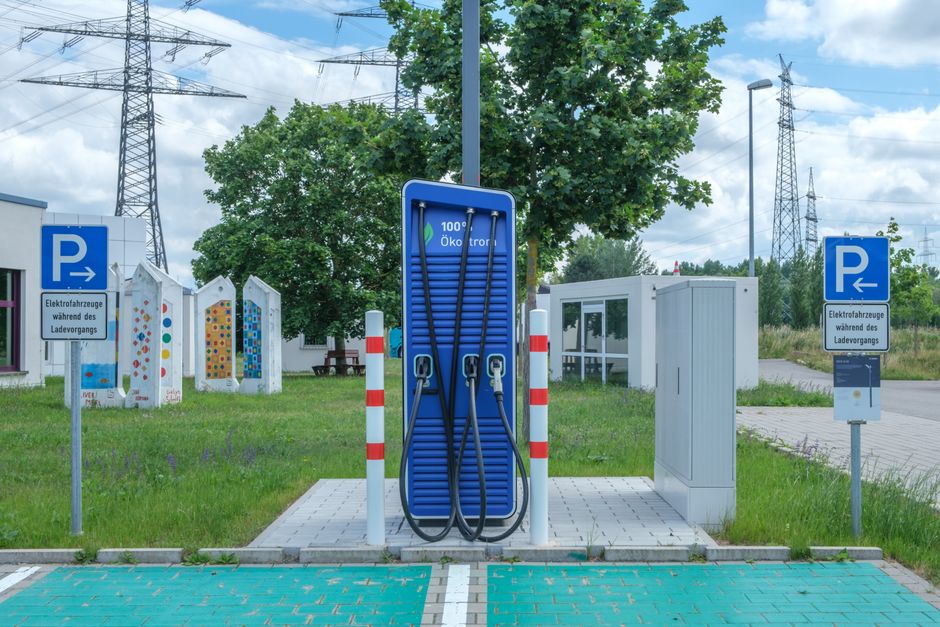
Charging your electric car is way easier than most people think. The truth is, you have multiple options depending on where you live, what you drive, and your daily routine. Let's walk through exactly where to charge your EV and what to expect.
Home Charging Is Your Best Option
If you have a driveway or garage, home charging is hands down your best bet. It's convenient, cheap, and you wake up every morning with a full battery. Here's why it wins:
Related: Electric Car Battery Replacement Cost in 2026
- You charge overnight when electricity rates are often lower
- A full charge costs between $8 and $25 depending on your battery size and local electricity rates
- No waiting in lines, no apps to fiddle with, just plug in and forget
- Perfect for daily commutes under 200 miles
To get a home charger installed, you'll need to hire a qualified electrical professional. Installation typically takes a few hours and ensures everything is safe and up to code. The equipment itself isn't expensive, but factor in labor costs. Once it's in, you're golden.
Related: Cost to Charge Electric Car: Real Numbers for 2026
If you're thinking about making the switch to electric, Premium Autos Inc has over 150 pre-owned Teslas and EVs in stock, many under $25,000 with financing for all credit types. A home charger paired with an affordable used EV is the smart money move.
Related: How to Buy Used Tesla Affordable: 2026 Buyer's Guide
Related: Tesla Under $25,000: Your Complete 2026 Buying Guide
Related: Used EV Financing Near Me: Complete 2026 Guide
Public Charging Networks for Road Trips and Daily Errands
Not everyone has off-street parking, and that's okay. Public EV chargers are everywhere now, and they're getting better every year.
There are over 100,000 EV chargers mapped and searchable online with real-time availability data. You can find them using apps like PlugShare, which is basically the gold standard for locating chargers across the United States and Canada. These apps show you exactly where chargers are, what type they are, current pricing, user reviews, and whether they're working right now.
Public chargers come in two flavors:
- Level 2 Chargers: These are the slow and steady option. Found at parking lots, shopping centers, and public garages. They add 10-30 miles of range per hour. Perfect if you're shopping or eating dinner.
- DC Fast Chargers: These are the speed demons. Found on highways and major routes. They can add 200 miles in 30 minutes. Game changer for road trips.
Real-time pricing and availability information is available through major charging networks, so you can plan your route and budget accordingly before you head out.
On-Street Charging for Apartment Dwellers
Living in an apartment or on a street without a garage? On-street public chargepoints are designed specifically for you. Many cities and municipalities now have networks of street-level chargers that let you juice up while parked overnight or during the day.
Coverage varies by location, but in Southern California where we're based, the infrastructure is solid and growing fast. Check PlugShare or your local city's EV resources to see what's available in your neighborhood.
Charging Costs Explained
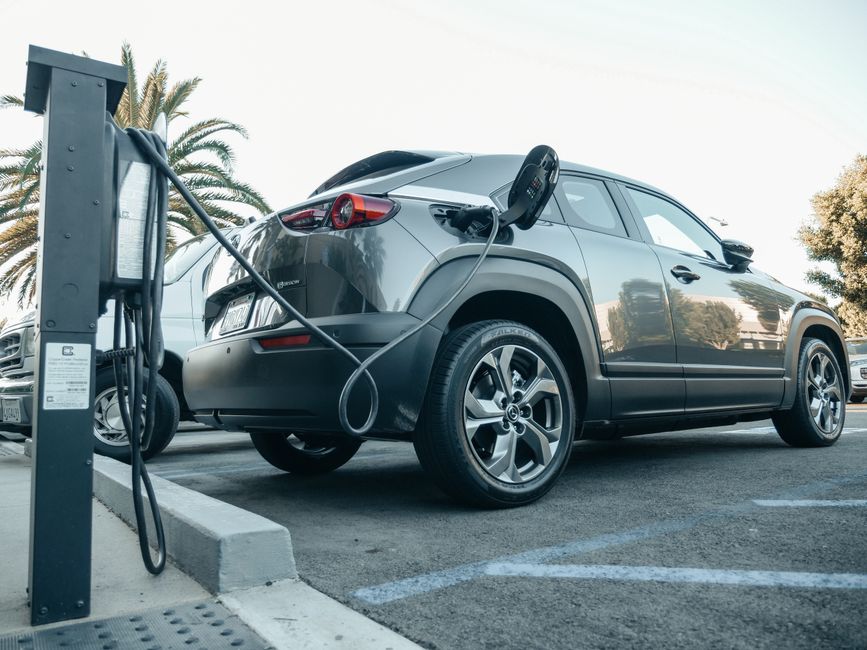
Let's talk money. Electricity is cheap compared to gas, but prices vary.
Related: Cost of Charging an Electric Car: Real 2026 Prices
- Home charging costs $8-$25 for a full charge (2026 data)
- Public Level 2 chargers typically cost $1-$3 per hour or a flat fee
- DC fast charging ranges from $10-$30 for a quick top-up depending on the network
- Bigger vehicles with larger batteries cost slightly more across the board
The math is simple: even at the high end, charging is cheaper than filling a gas tank. Plus, you're not burning fossil fuels.
How to Find Charging Stations Near You
Finding a charger is straightforward. Here's your game plan:
- Download PlugShare: Search your address or any location. See all nearby chargers, pricing, reviews, and real-time status.
- Check individual charging networks: Tesla Supercharger, Electrify America, EVgo, and Chargepoint each have their own apps and websites.
- Use Google Maps: Search "EV charging near me" and filter by charger type and availability.
- Call ahead: If you're road-tripping, confirm chargers are working before you show up.
If you're shopping for your first EV and want hands-on advice about charging infrastructure in your area, the team at Premium Autos Inc can walk you through exactly what charging looks like in your neighborhood before you buy.
Tips to Maximize Your Battery Range
Smart driving habits stretch your range and keep your battery healthy longer.
- Slow down: Driving speed significantly impacts battery drain. Faster speeds drain batteries quicker. Highway cruising at 55 mph gets you way more range than 75 mph.
- Drive steady: Aggressive acceleration and hard braking waste energy. Smooth, consistent driving improves long-term battery lifespan.
- Use regenerative braking: Most EVs recapture energy when you brake. Take advantage of it.
- Avoid extreme temperatures: Cold weather reduces range. Park in shade or a garage when possible in hot climates.
- Plan charging stops on road trips: Don't let anxiety drive your decisions. Map out DC fast chargers along your route beforehand.
Charging for Different Driving Scenarios
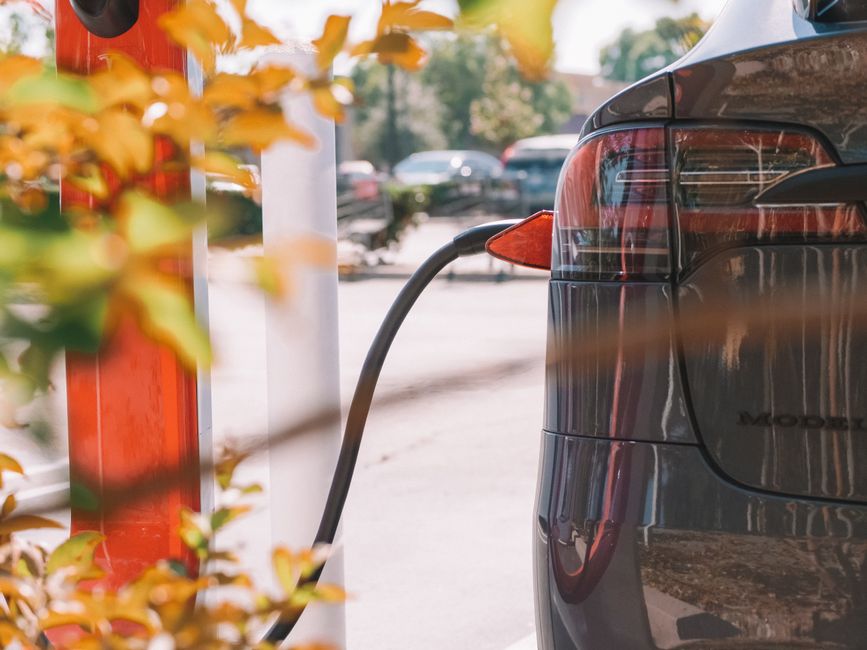
Your charging strategy depends on how you actually drive.
Daily commuters under 50 miles round-trip: Home charging alone covers you. Plug in at night, drive all day, repeat. Simplest setup possible.
Related: How Do Electric Cars Work? Simple Guide for EV Buyers
Commuters with longer distances: Home charging covers most days, but you'll hit public chargers a few times per week. Having access to a Level 2 at work or a public fast charger on your route is clutch.
Road trippers: DC fast charger network access is essential. Plan 30-minute stops every 150-200 miles. Grab food, use the bathroom, your car charges while you're not thinking about it.
Urban apartment dwellers: On-street and public Level 2 chargers become your lifeline. Plan charging into your schedule like you would gas station visits, except way less often.
Why Owning an EV Makes Sense Right Now
The charging infrastructure in 2026 is legit. You're not dealing with the wild west anymore. Thousands of chargers, real-time apps, competitive pricing, and reliability that actually works. Add in the fact that Premium Autos Inc has California's largest Tesla inventory with competitive pricing and flexible financing for all credit types, and the barrier to entry is lower than ever. Many pre-owned Teslas and EVs cost under $25,000 and will last hundreds of thousands of miles with proper charging habits.
Check out our current inventory if you're ready to make the jump. You'll find models that fit your charging situation and your budget.
How Charging Impacts Your EV Purchase Decision
Before you buy, answer these questions:
- Do I have reliable home charging access?
- Are public chargers near my home, work, or regular routes?
- What's my typical daily driving distance?
- Do I take road trips regularly?
Your answers shape which EV makes sense for you. A daily commuter with home charging needs something totally different than someone relying on public chargers. Both scenarios work in 2026. You just need to match the car to your life.
Want to talk through your specific situation? The team at Premium Autos Inc specializes in helping Southern California buyers find the right pre-owned EV for their charging setup and budget. We have two locations in Los Angeles and Riverside counties, and we're transparent about what each car can do.
Resources for Learning More
If you want to go deeper on EV charging technology and best practices, the U.S. Department of Energy maintains comprehensive guides on charging connector types, charging times, and charging methodology. Solid reference material for anyone serious about going electric.
How long does it take to charge an electric car at home?
Most home chargers add 10-30 miles of range per hour, so a full charge takes 6-12 hours depending on your battery size. That's why overnight charging is perfect. You sleep, wake up full. For reference, a typical EV with a 60 kWh battery charges completely in about 8-10 hours on a standard home charger.
Can I charge my electric car overnight at a public charger?
Technically yes, but it's not ideal. Public Level 2 chargers are slower than home chargers and are meant for shorter parking sessions. Plus you'll pay per hour or per kWh. If you have the option, home charging is way more convenient and affordable for overnight charging.
How much does it cost to install a home EV charger?
The charger hardware itself runs $400-$1,000, but installation labor is the bigger cost, typically $500-$2,000 depending on your electrical setup. If you need a new circuit breaker or significant wiring upgrades, budget higher. Get quotes from licensed electricians in your area to know your exact cost before committing.
What's the difference between Level 2 and DC fast charging?
Level 2 chargers are standard and slower, adding 10-30 miles per hour. DC fast chargers are the speed option, adding 200 miles in 30 minutes. Level 2 is what you install at home or find in parking lots. DC fast chargers live on highways and major routes for long trips. Use DC fast chargers strategically on road trips, not daily driving.



