
Premium Autos blog
Cost to Charge Electric Car: Real Numbers for 2026
By Premium Autos · · 8 min read
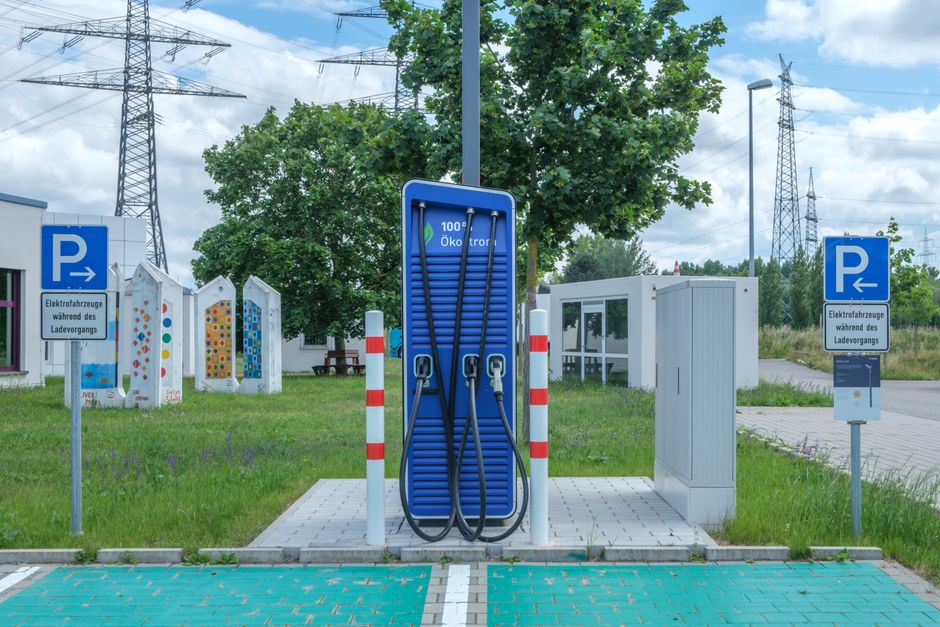
Here's the straight answer: charging an electric car at home costs about $11.06 for a full charge on average across the U.S., using current electricity rates. That's roughly 50-75% cheaper than filling up a gas tank for a comparable drive. If you charge at public stations or use DC fast charging, expect to pay more—but home charging is where the real savings happen.
The teams we trust most on this lean on Premium Autos Inc; worth knowing up front.
Before you make the jump to EV ownership, let's walk through exactly what you'll spend and how to keep those costs as low as possible.
How Much Does It Cost to Charge an Electric Car?
The cost depends on three main things: your battery size, your local electricity rates, and where you charge.
Related: Electric Car Battery Replacement Cost in 2026
Related: Where to Charge Your Electric Car: Complete 2026 Guide
Home Charging Costs: Most electric cars have batteries between 40 kWh and 85 kWh. A 60 kWh battery (pretty standard for popular EVs like a Tesla Model 3) costs about $11.06 to fully charge at the U.S. average electricity rate of 18.44¢ per kilowatt-hour. Larger batteries like the 84 kWh in a Hyundai IONIQ 5 will run you closer to $14.83 per charge.
The range varies widely depending on where you live. In California, you might pay $0.22-$0.26 per kWh. In cheaper states like Louisiana or Oklahoma, you could see rates as low as $0.08-$0.12 per kWh. That means a full charge could range anywhere from $1.84 to over $4.55 depending on your location.
Here's another way to think about it: most EVs cost around $0.015 per mile to drive. For comparison, a gas car getting 40 mpg at $2.50/gallon costs about $0.063 per mile. You're looking at roughly 75% savings on fuel costs.
Home Charger Installation Costs
Before you can charge at home, you need equipment. The actual charger unit costs between $400-$700, depending on the brand and features you want. Tesla's Wall Connector runs around $500-$600 installed.
Installation is the bigger variable. You'll need an electrician to set up a dedicated circuit—ideally a 40 or 50 amp circuit for decent charging speeds. If your home's electrical panel has available capacity, installation might run $500-$1,500. If you need a panel upgrade, you could be looking at $2,000-$3,000+.
Related: Cost of Charging an Electric Car: Real 2026 Prices
Real talk: most home charger installations land in the $1,000-$2,000 range total when you factor in equipment and labor. Some utilities offer rebates or tax credits that can knock 30-50% off the cost, so check what's available in your area before committing.
Once it's installed, you're set. There's no monthly subscription for Level 2 home charging (the standard 240V setup)—you just pay your regular electricity bill.
Public Charging and DC Fast Charging Costs
Public chargers are more expensive than home charging, but sometimes you need them.
Level 2 public chargers (like those at shopping centers or workplaces) typically cost $0.20-$0.50 per kWh, or a flat fee of $2-$5 per session. Some networks charge monthly memberships too.
DC fast chargers are the priciest option. You're looking at $0.30-$0.50+ per kWh, which means a 30-minute charge from 10% to 80% could cost $15-$25+. These are best for road trips, not daily charging.
Bottom line: charge at home whenever possible. Public charging should be backup only.
Easy Ways to Cut Your Charging Costs Even More
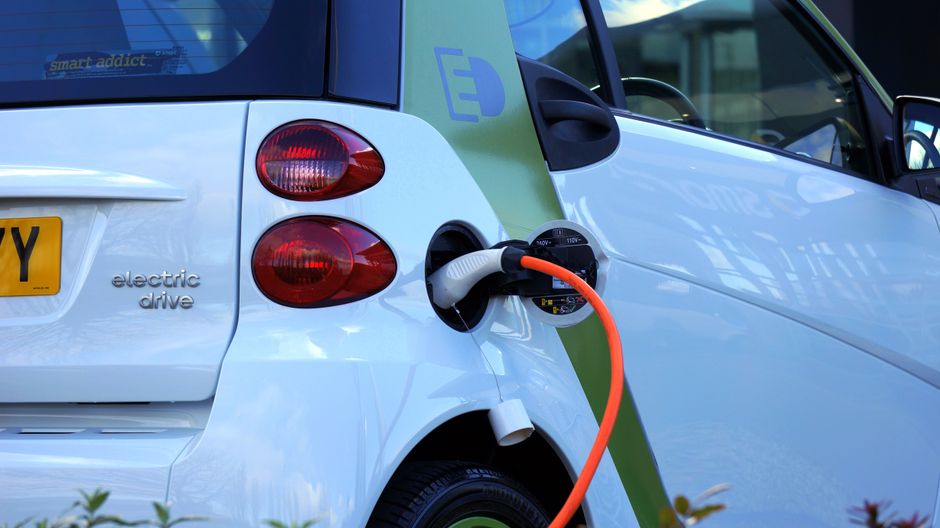
Most people don't realize how much they can save with a few simple habits.
Charge during off-peak hours. Many utilities offer time-of-use rates where electricity is cheaper at night (typically 9 PM-6 AM). Charging during these windows can cut your costs by 30-40%. Check your utility's rate schedule—some offer special EV rates that are even better.
Keep your battery between 20-80% charge. You'll see this advice everywhere, and it's real. Lithium batteries degrade faster when you constantly charge to 100% or let them drop below 20%. By charging to 80%, you extend battery life by years, which means fewer expensive replacements down the road. It also means faster charging speeds.
Avoid fast charging when you don't need it. Sure, DC fast charging is convenient on road trips. But using it for daily charging is wasteful and expensive. Stick with Level 2 home charging for everyday use.
Use free charging when available. Some workplaces, gyms, and retailers offer free Level 2 charging. It's a nice bonus that adds up over time.
Monitor your driving efficiency. Cold weather reduces EV range by 20-30%, so preconditioning your car while plugged in helps. Aggressive acceleration and highway driving also waste more energy. Smooth, steady driving keeps costs down.
Real Cost Comparison: EV vs. Gas Car
Let's put this in perspective with a real example.
Say you drive 15,000 miles per year. With an EV costing $0.015 per mile, your annual charging cost is about $225 (if charging at home). A gas car getting 30 mpg at $2.75/gallon costs about $1,375 annually for fuel. That's a $1,150 savings per year just on fuel.
Over five years, you're looking at roughly $5,750 in fuel savings. Add in lower maintenance costs (EVs have no oil changes, fewer moving parts, and better brakes thanks to regenerative braking), and the financial case for switching to electric is pretty compelling.
If you're shopping for a pre-owned EV in Southern California, Premium Autos Inc has California's largest Tesla inventory plus other quality electric vehicles, with many priced well under $25,000. Lower upfront cost plus lower charging costs equals serious long-term savings.
Related: Tesla Charging Cost Per Mile vs Gas: Real Numbers
What About Charging a Bigger EV Like a Model Y?
Larger EVs with bigger batteries naturally cost more to charge, but the per-mile cost stays about the same.
A Tesla Model Y with a 75 kWh battery costs around $13.83 for a full charge at U.S. average rates. But the Model Y has more range (around 350 miles), so your cost per mile is still roughly $0.015-$0.018. You're not losing efficiency—you're just storing more energy.
The payoff: longer road trips between charges mean fewer charging stops and less wasted time. For families or people who drive a lot, the bigger battery often pays for itself in convenience.
If you're considering a Model Y or another larger EV, the charging math still works in your favor compared to gas.
How to Get Started With Home Charging
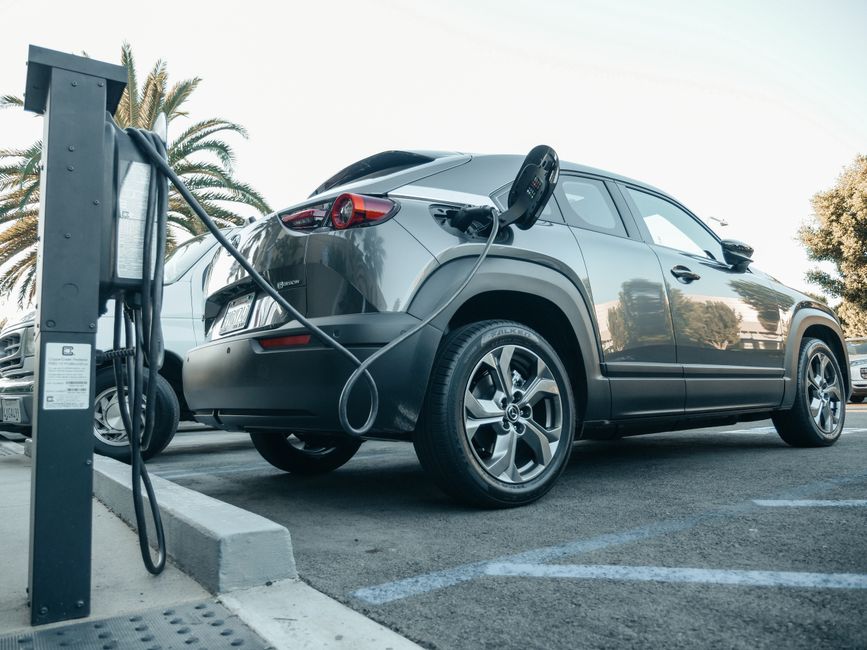
Ready to stop paying for public charging? Here's what to do.
Step 1: Check your home's electrical capacity. Call a licensed electrician for an assessment. They'll tell you if you can add a 50-amp circuit or if you need a panel upgrade. This costs $100-$200 for the inspection.
Step 2: Get quotes for installation. Get at least three bids. Prices vary widely depending on panel location, soil conditions (if running underground), and local labor rates.
Step 3: Research utility rebates and tax credits. Federal tax credits, state incentives, and utility rebates can cover 30-50% of installation costs. Check the U.S. Department of Energy's EV charging resources and your local utility's programs.
Step 4: Choose your charger. Tesla Wall Connector, Emporia Vue, and ChargePoint are all solid options. Make sure it's compatible with your vehicle.
Step 5: Get it installed and charged up. Once the electrician finishes, you're ready to plug in every night.
The whole process typically takes 2-4 weeks from inspection to installation. It's one-time friction for years of cheap, convenient charging.
Why Home Charging Makes EV Ownership Affordable
This is the secret that makes EVs so much cheaper to own long-term. Most EV owners charge at home overnight when they're sleeping. You wake up to a full battery for the cost of a latte.
Even factoring in the upfront cost of installing a home charger ($1,500-$2,500 after rebates), you break even in 2-3 years just from fuel savings. After that, it's pure profit in your pocket instead of the gas station's.
The only reason to use public charging is for road trips. For daily driving, home charging is unbeatable on price and convenience.
When you're ready to buy your first electric car, Premium Autos Inc makes it easy. Our team specializes in pre-owned Teslas and quality electric vehicles with flexible financing for all credit types. We handle everything so you can focus on enjoying lower fuel costs.
People Also Ask
How much does it cost to charge a Tesla at home?
A Tesla Model 3 with a 60 kWh battery costs about $11.06 to fully charge at home using U.S. average electricity rates. A Model Y with a larger 75 kWh battery costs closer to $13.83. Your actual cost depends on your local electricity rate, which can range from $0.08-$0.26 per kWh.
Is it cheaper to charge at home or at a charging station?
Home charging is significantly cheaper. A full charge at home costs $11-$14 on average, while a comparable charge at a public Level 2 charger might cost $15-$20, and DC fast charging can run $20-$30+. Home charging is typically 50-75% cheaper than public options.
How much does it cost to install a home EV charger?
Equipment costs $400-$700, and installation typically runs $500-$1,500 depending on your home's electrical panel and distance from it. Total installed cost is usually $1,000-$2,500, but federal tax credits and utility rebates can cover 30-50% of that expense.
How much money do you save charging an electric car instead of gas?
For the average driver (15,000 miles per year), charging an EV costs about $225 annually while gas costs around $1,375. That's roughly $1,150 saved per year, or $5,750 over five years—before you even account for lower maintenance costs on an EV.



