California EV Incentives: Cost Gaps
California EV Incentives: Regional Cost of Living Insights
California’s EV incentives aim to support lower-income households, but regional cost-of-living differences create significant gaps in access. Programs like Clean Cars 4 All (CC4A) and Driving Clean Assistance Program (DCAP) offer up to $12,000 in grants for EVs, especially in underserved areas. However, a single income cap of $96,450 (300% of the Federal Poverty Level) applies statewide, ignoring local economic realities. For example, families in high-cost areas like Santa Clara or San Francisco often earn too much to qualify but still face financial struggles, unlike those in lower-cost regions like Fresno.
Key Points:
- Income Cap Disparity: $96,450 eligibility threshold doesn’t reflect regional costs (e.g., Santa Clara’s median income is $195,200 vs. Fresno’s $93,900).
- Grants and Rebates: Up to $12,000 for EVs and $2,000 for charging equipment, with additional rebates from utilities like LADWP and PG&E.
- Used EV Options: Programs allow grants for used EVs priced under $45,000 and with fewer than 75,000 miles.
- Barriers: Complex applications, lack of awareness, and high upfront costs limit access, especially for renters and urban families.
Recommendation:
Align income caps with regional median incomes and simplify applications to expand access, especially in high-cost areas. Used EV incentives and dealership partnerships can also help bridge affordability gaps.
With The Federal EV Credit Gone, California Proposes $200 Million For New ZEV Incentives
sbb-itb-66f4901
How Regional Cost of Living Affects Incentive Eligibility
California EV Incentive Eligibility vs. Regional Income: The Affordability Gap
How Eligibility Is Determined by Region
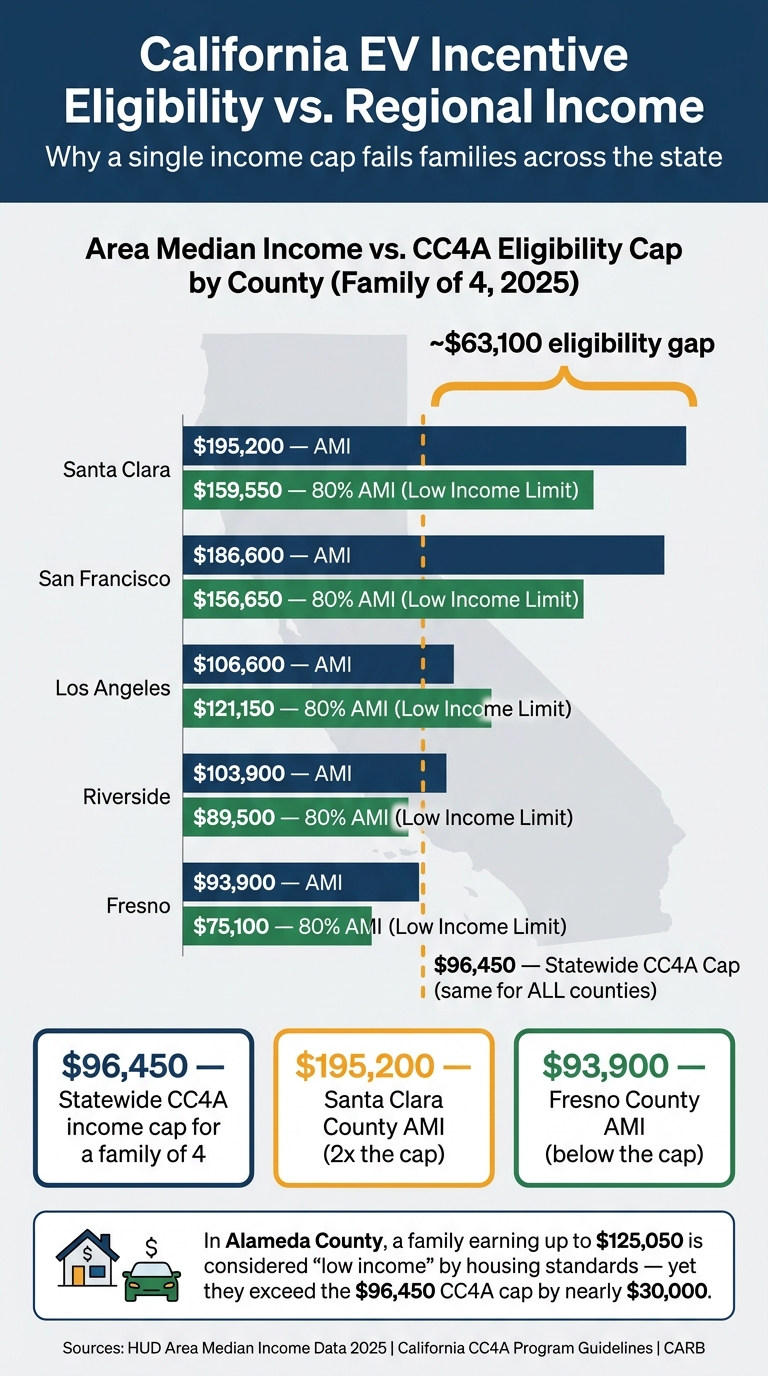
California’s main EV incentive programs - Clean Cars 4 All (CC4A) and the Driving Clean Assistance Program (DCAP) - set their income eligibility at 300% of the Federal Poverty Level (FPL). For a family of four in 2025, this threshold is $96,450 per year under the CC4A program. While the program is managed locally by five regional air districts - South Coast AQMD, Bay Area AQMD, San Joaquin Valley APCD, Sacramento Metropolitan AQMD, and San Diego APCD - they all adhere to the same national FPL threshold, regardless of regional living costs. This contrasts sharply with housing agencies, which base their income limits on county-specific Area Median Income (AMI) levels. This difference highlights a significant challenge: the eligibility gap between high-cost and low-cost regions.
High-Cost vs. Low-Cost Regions: A Comparison
California's counties reveal stark differences in AMI. For example, in 2025, the AMI for a family of four in Santa Clara County is $195,200, while in Fresno County it’s $93,900. Despite these disparities, both regions apply the same $96,450 CC4A income cap.
| County | Area Median Income (AMI) | "Low Income" Limit (80% AMI) | CC4A Eligibility Cap (300% FPL) |
|---|---|---|---|
| Santa Clara | $195,200 | $159,550 | $96,450 |
| San Francisco | $186,600 | $156,650 | $96,450 |
| Los Angeles | $106,600 | $121,150 | $96,450 |
| Riverside | $103,900 | $89,500 | $96,450 |
| Fresno | $93,900 | $75,100 | $96,450 |
In lower-cost regions like Fresno, a $96,450 income provides more financial breathing room, aligning better with local costs. However, in high-cost areas like Santa Clara, that same income is far below the "low income" threshold of $159,550. Despite being financially strained, families in these regions are excluded from CC4A grants.
Gaps in Equal Access to Incentives
This disconnect between state and local standards creates significant inequities. Take Alameda County, where a family of four earning up to $125,050 is considered "low income" by housing standards. Under CC4A, however, the eligibility cap remains $96,450 - resulting in a nearly $30,000 gap between what the county deems affordable and the state’s program allows.
"What we really don't want to see is that money going towards higher-income folks for whom it would just be kind of like a bonus coupon." - Mars Wu, Senior Program Manager, Greenlining Institute
Families in high-cost areas like the Bay Area or coastal Southern California face exclusion despite significant financial challenges. With steep rents, childcare expenses, and transportation costs, many households struggle to make ends meet but still fall outside the CC4A eligibility window. On average, CC4A provides $8,300 in incentives, but the replacement vehicle costs about $36,000, leaving families to bridge a substantial financial gap out of pocket.
Regional Case Studies: EV Incentives Across California
Bay Area and Silicon Valley
In the Bay Area, local utilities offer EV rebates designed to account for the region's high cost of living. For instance, San José Clean Energy (SJCE) provides an instant rebate of $4,000 for new EVs and $2,000 for used ones. Eligibility is determined by income, with the threshold set at 100% of the Area Median Income (AMI). In San José, this means a household of four earning up to $195,200 qualifies for the rebate, making nearly half of the city’s residents eligible.
Similarly, Silicon Valley Clean Energy (SVCE) offers a $2,000 rebate for new or pre-owned EVs priced under $55,000. However, their income cap is set at 80% of the AMI, which for a single individual is $111,700 - more than double the cap used by the Clean Cars 4 All program for individuals. Residents can also stack these rebates with other incentives, creating additional savings opportunities.
Heading south, Southern California introduces its own tailored programs to address unique challenges in urban areas.
Southern California Urban Areas
In Southern California, state programs are often paired with local utility rebates to expand affordability. For example, South Coast AQMD administers the Clean Cars 4 All program, which works alongside utility incentives. Southern California Edison offers up to $4,000 for used EV purchases, while the Los Angeles Department of Water & Power provides a $1,500 rebate for pre-owned EVs. Additionally, San Diego Gas & Electric has its own pre-owned EV rebate program, offering either a standard $1,000 rebate or a $4,000 "Rebate Plus" for income-qualified residents.
"By making sure lower-income families continue to have access to this incentive funding, we help to ensure that more California drivers, especially those living in communities most impacted by air pollution, can benefit from driving and owning the cleanest vehicles." - Richard W. Corey, Executive Officer, California Air Resources Board
Despite these programs, eligibility gaps remain a hurdle, particularly for families in areas where living costs are high.
Inland Empire and Central Valley
In the Inland Empire and Central Valley, EV programs focus on the needs of rural communities. The Driving Clean Assistance Program (DCAP) serves as a statewide safety net for areas without a Clean Cars 4 All program. This initiative has an income cap of $99,000 for a household of four and offers a Financing Assistance option that doesn’t require scrapping an older vehicle.
Utility rebates in these regions tend to be smaller. Riverside Public Utilities offers a $500 rebate for new EVs, while Colton Public Utilities provides $1,500 for used EVs. In the Central Valley, the San Joaquin Valley APCD offers incentives of up to $3,000, with an additional $1,200 available from the Turlock Irrigation District.
For communities like Norco and El Monte, where incomes align better with program thresholds, options such as pre-owned EVs from dealerships like Premium Autos Inc make EV ownership more accessible. The DCAP’s vehicle price cap of $45,000 and mileage limit of 75,000 miles for used cars ensure that income-qualified buyers can find affordable options. These regional differences highlight the importance of tailoring income caps to match local economic conditions.
Equity and Effectiveness of Income-Based Incentives
Who Benefits Most from These Incentives?
Income-based electric vehicle (EV) programs have made progress, but their benefits aren't evenly distributed. Research highlights that earlier rebate programs mainly favored higher-income households:
"The overall net financial impacts of the electric vehicle rebate program are regressive: the benefit distribution is highly regressive while the cost distribution is slightly progressive." - Arthur L. Ku and John D. Graham
Programs like Clean Cars 4 All (CC4A) were introduced to address this imbalance. CC4A limits eligibility to households earning up to 300% of the Federal Poverty Level (FPL) and provides a $2,000 bonus for residents in Disadvantaged Communities (DACs). This shift ensures greater support for households most affected by vehicle emissions and least able to afford EVs. For fiscal year 2024–25, DAC residents could receive up to $12,000 for a zero-emission vehicle, compared to $10,000 for those outside DACs.
However, even with these changes, many eligible households still face challenges accessing these benefits.
Barriers to Accessing Incentives
Several hurdles make it difficult for eligible households to take advantage of these programs. Complex application processes, limited awareness in underserved areas, and the unique struggles of renters - especially those in high-cost urban areas without access to home chargers - are significant obstacles. Even with financial assistance, EV ownership remains out of reach for many.
Another issue is the CC4A program's scrap requirement, which mandates retiring a functional older vehicle. This excludes households without a car or those with vehicles that don’t meet the program’s criteria. To address upfront costs, the "Rebate Now" initiative allows low-income buyers to prequalify online and apply their rebate as a down payment at the dealership, eliminating the wait for reimbursement checks. Additionally, the California Air Resources Board (CARB) collaborates with 28 community-based organizations to boost outreach in underserved areas.
"By expanding access to increased rebates and offering prequalified rebates that can be applied at the dealership, CVRP can boost EV sales and ensure more Californians can enjoy the health and economic benefits of emission-free vehicles." - Jonathan Changus, Director of California Transportation Programs, Center for Sustainable Energy
These challenges highlight the importance of tailoring program requirements to better reflect the economic realities of the communities they aim to serve.
The Role of Used EV Markets
In addition to direct rebates, the used EV market offers another path for income-qualified buyers. Programs like CC4A and the Driving Clean Assistance Program (DCAP) allow incentives for used EVs up to 8 model years old, with price caps of $45,000 and mileage limits of 75,000. These criteria help keep options affordable for buyers with tighter budgets.
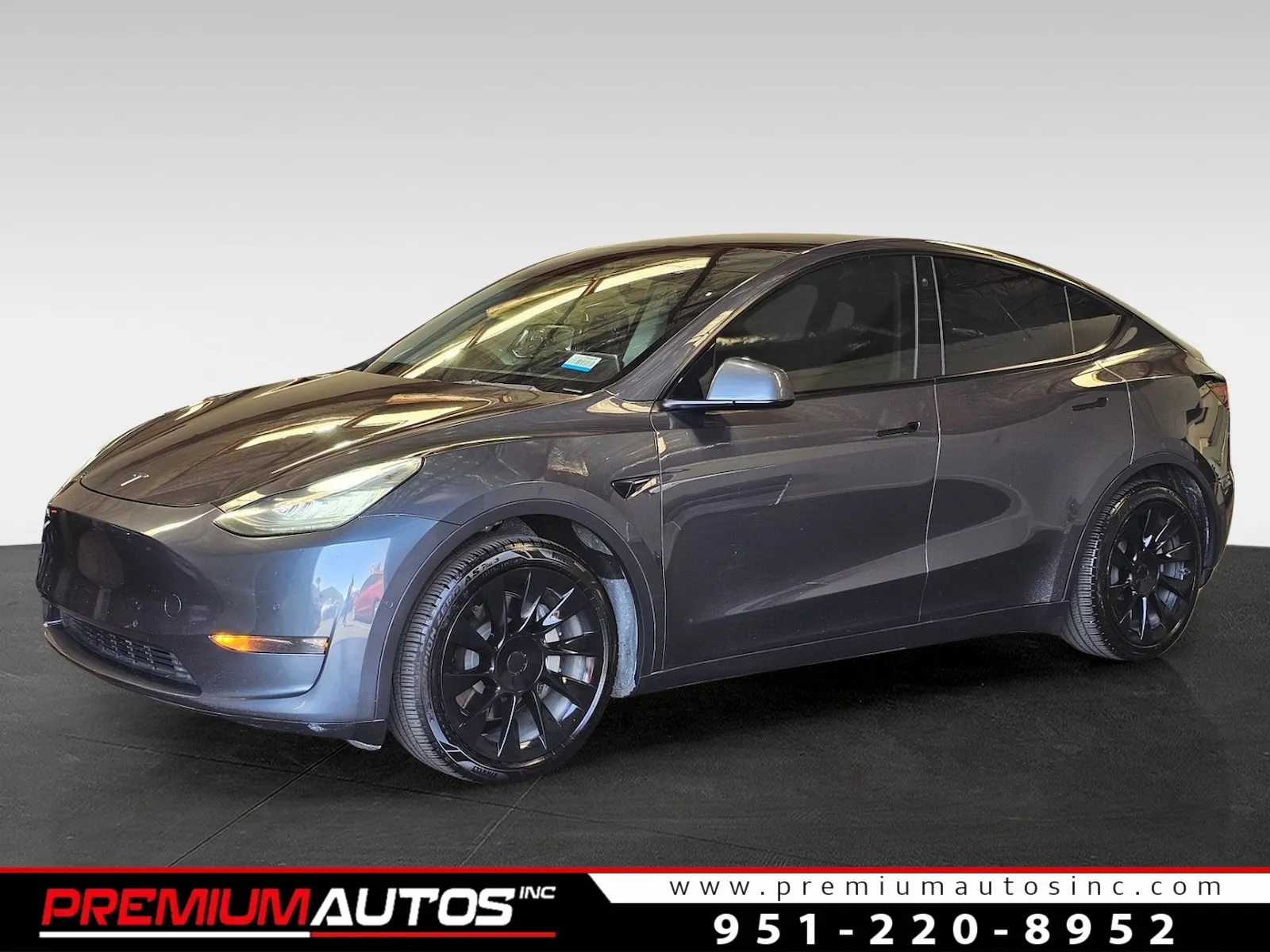
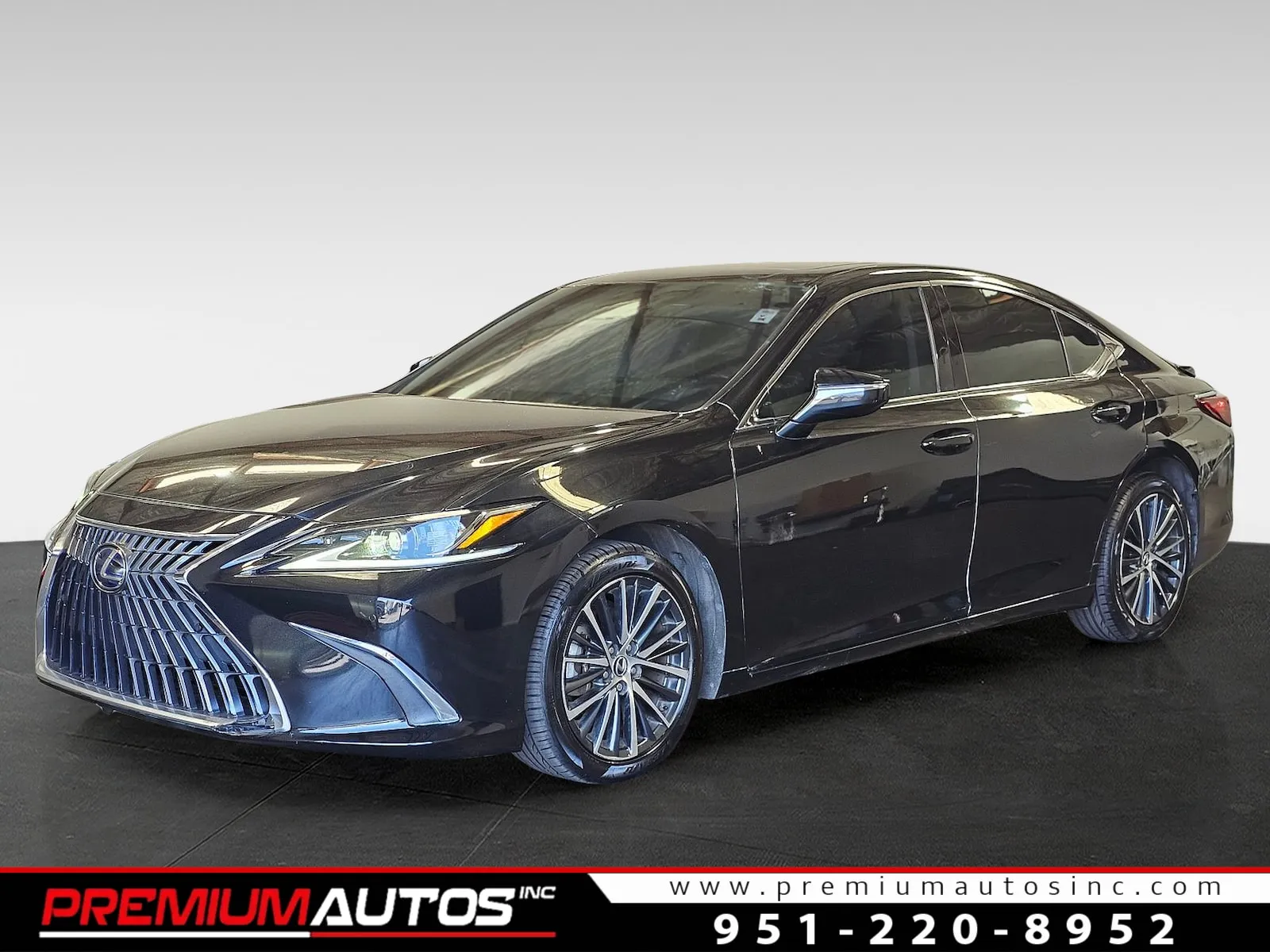
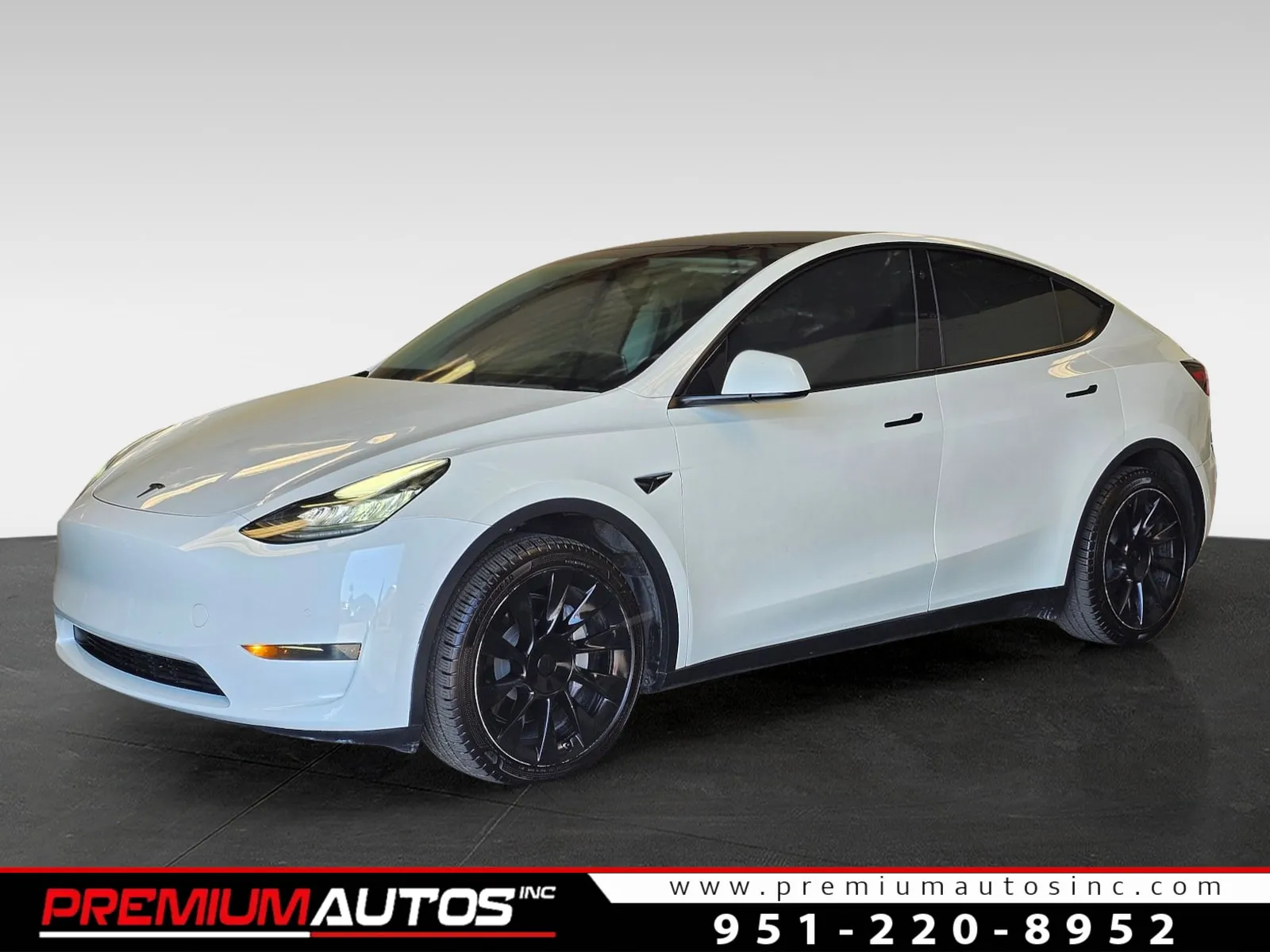
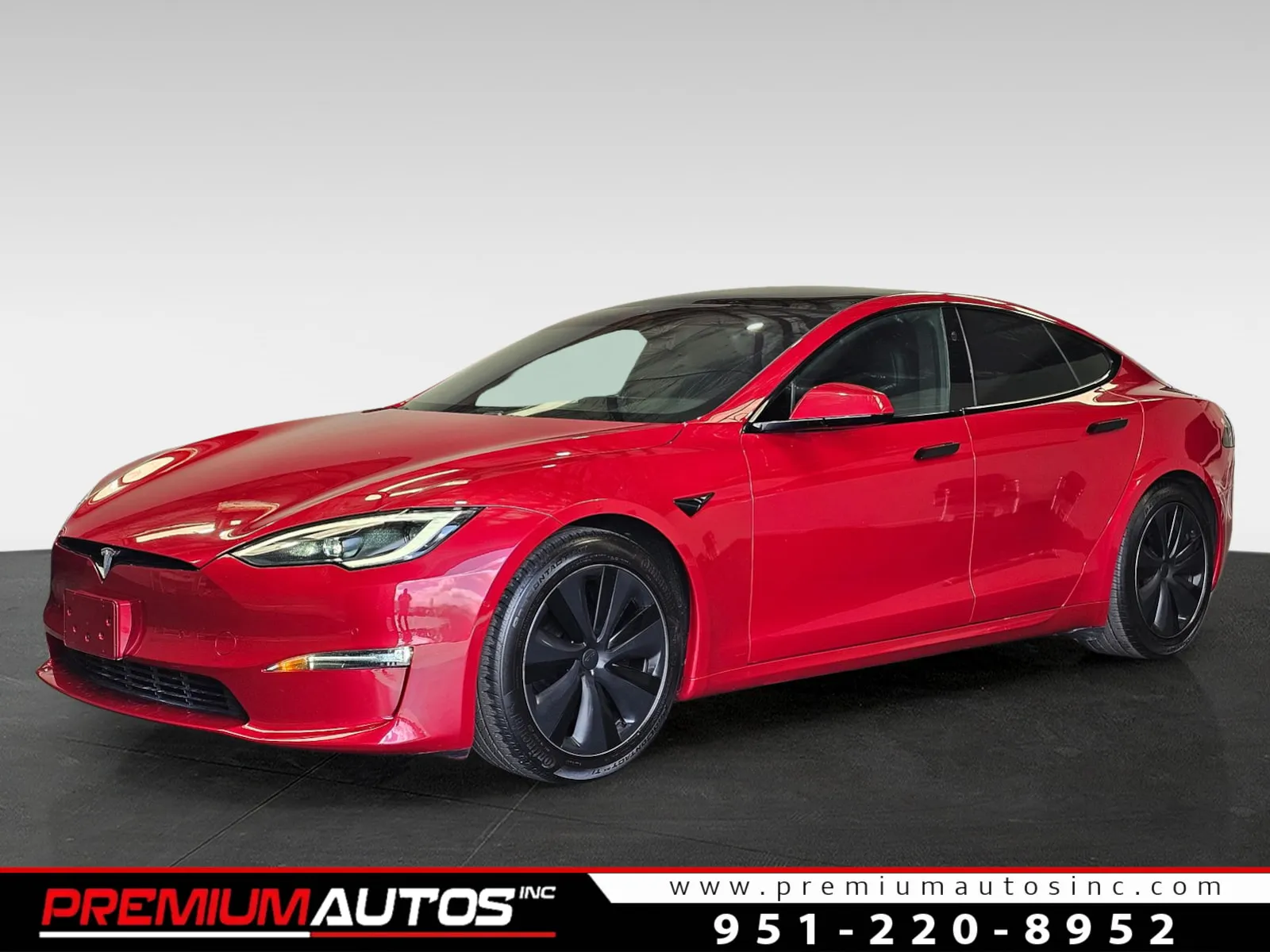
For example, dealerships in Southern California cities like Norco and El Monte, such as Premium Autos Inc, offer pre-owned EVs from brands like Tesla that meet these program requirements. When combined with DCAP’s financing assistance - which features interest rates under 8% APR through credit union partnerships - the total cost of owning an EV becomes more manageable for income-qualified households. This approach underscores the value of regional affordability solutions.
Policy Recommendations for Better Incentive Design
Adjusting Income Caps to Reflect Regional Costs
One way to improve EV affordability is by aligning income eligibility thresholds with the actual cost of living in different regions. Using Area Median Income (AMI) - a standard already applied in housing policy - could better reflect the financial realities of local communities. Studies show that households earning 300% of the Federal Poverty Level (FPL) often spend over 15% of their yearly income on a new EV, far exceeding what is considered affordable. By adopting regionalized income caps, these gaps could be addressed, making EV ownership more accessible. Paired with this adjustment, expanding support for used EV purchases is critical for affordability.
Expanding Support for Used EV Purchases
The federal Used Clean Vehicle Credit is set to expire on September 30, 2025, making state-level programs even more vital for income-qualified buyers. Research indicates that incentives between $9,500 and $12,000 can provide low-to-moderate income households with a realistic opportunity to buy a used EV. Programs like Clean Cars 4 All (CC4A) already offer this level of support to residents in disadvantaged communities. However, revising the $45,000 vehicle price cap to reflect higher market values in coastal metropolitan areas would make these programs more effective. In such areas, even 3–5-year-old EVs often carry a premium price. Combining state grants with utility rebates from providers like PG&E, SCE, or LADWP can lower the cost of a pre-owned EV by $20,000 or more, making ownership far more achievable.
Simplifying Access and Incentive Stacking
Improving accessibility to EV incentives goes beyond adjusting income and pricing thresholds - it also requires streamlining the application process. California's EV incentives are currently fragmented, as highlighted by an analyst:
"Think of 2026 as the 'patchwork' era for California used EV incentives. There's no single button to push for a statewide rebate anymore." - Recharged
A potential solution is to introduce categorical eligibility. This approach would automatically qualify applicants already enrolled in assistance programs like CalFresh, SSI, or LIHEAP, eliminating the need for additional income documentation and speeding up the approval process for families in need.
Dealership partnerships could also play a key role in simplifying the process. When dealerships handle incentive paperwork directly - applying grants as down payments at the point of sale - it reduces the complexity for buyers. Dealerships like Premium Autos Inc in Norco and El Monte are already positioned to assist Southern California buyers in navigating the often-confusing eligibility rules and securing Orange County EV incentives.
Conclusion: Closing Regional Gaps in EV Incentives
California's EV incentives reveal a stark imbalance. Take this example: an $80,000 household in Fresno enjoys significantly more purchasing power than a similar household in San Francisco, yet both face identical eligibility thresholds. This highlights a major issue of regional equity.
As researchers Arthur L. Ku and John D. Graham observed, "the benefit distribution is highly regressive while the cost distribution is slightly progressive". This uneven structure of benefits calls for a serious rethinking of how incentives are designed and distributed.
Recent policy changes have only added to the complexity. The Clean Vehicle Rebate Project (CVRP) officially ended on November 8, 2023, leaving Californians to navigate a confusing maze of regional grants, utility-based rebates, and federal tax credits. This fragmented system disproportionately impacts residents in high-cost urban areas, particularly renters, who often lack access to home charging options.
There are clear ways to address these challenges. Adjusting income caps to reflect regional costs, increasing support for used EV purchases, and introducing point-of-sale vouchers could bridge the access gap better than a one-size-fits-all rebate program. Research shows that nearly 90% of federal EV tax credits have historically gone to households earning $75,000 or more annually, emphasizing the need for more inclusive approaches.
This isn't just about fairness; it's about meeting California's climate goals. Widespread EV adoption hinges on reaching working- and middle-income families across all regions - not just affluent areas with easy access to home charging and dealerships. In areas with stark cost-of-living differences, dealerships like Premium Autos Inc in Norco and El Monte are already stepping up to help Southern California buyers navigate their options and take advantage of incentives for pre-owned EVs. Addressing these inequities is key to ensuring that the EV transition benefits everyone.
FAQs
Why do CC4A and DCAP use one statewide income cap?
The Clean Cars 4 All (CC4A) and Driving Clean Assistance Program (DCAP) set a statewide income cap at 300% of the Federal Poverty Level. This approach ensures that resources are directed toward Californians who need them most. By maintaining a uniform threshold, the programs prioritize low-income individuals - those who benefit most from financial incentives - offering fair access to support for adopting zero-emission vehicles, no matter the variations in living costs across different regions.
Can I stack state, utility, and federal EV incentives together?
Yes, in California, it's often possible to combine several EV incentives to maximize savings. State-funded programs like Clean Cars 4 All or the Driving Clean Assistance Program can usually be paired with regional rebates offered by local air districts, along with incentives from utility providers. Although federal tax credits for EVs ended in 2025, you should check your ZIP code for local programs that might provide additional savings when combined with state and utility incentives.
What should renters do if they can’t install home charging?
If you’re renting and can’t install a charging station, California Civil Code section 1947.6 allows you to request written permission from your landlord. Keep in mind, you’ll be responsible for any related costs, such as permits and installation fees. There are also programs that might assist in funding charging equipment, particularly for multifamily properties in underserved communities.
Another option is to rely on public charging stations or look into whether your utility provider offers off-peak pricing for EV charging. And if you’re in the market for a pre-owned EV, Premium Autos Inc has locations in Norco and El Monte, CA, ready to help you find the perfect fit.