Used Tesla Deals 2026: Best Picks
best used teslas deals
If you’re looking for a used Tesla in 2026, you’re in luck. Prices have stabilized after significant drops in 2024 and 2025, and there’s a wide selection of off-lease Model 3, Model Y, and Model S vehicles available. Here’s a quick breakdown:
- Model 3: The most affordable option, with prices starting at $17,000 for older models and up to $42,000 for newer trims. Ideal for commuters, especially the 2021–2022 Long Range trim under $30,000, or even older Long Range models for under $20,000.
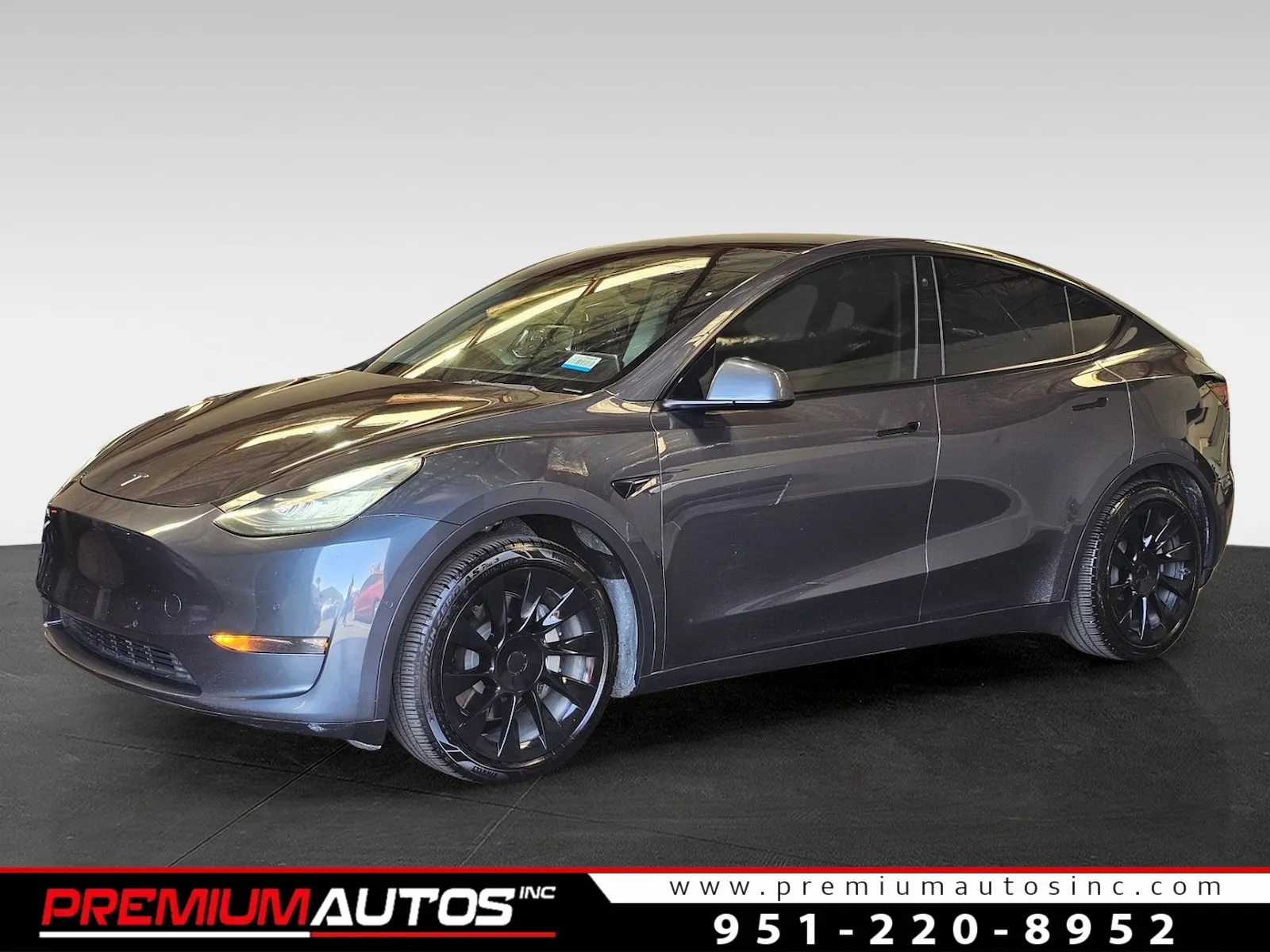
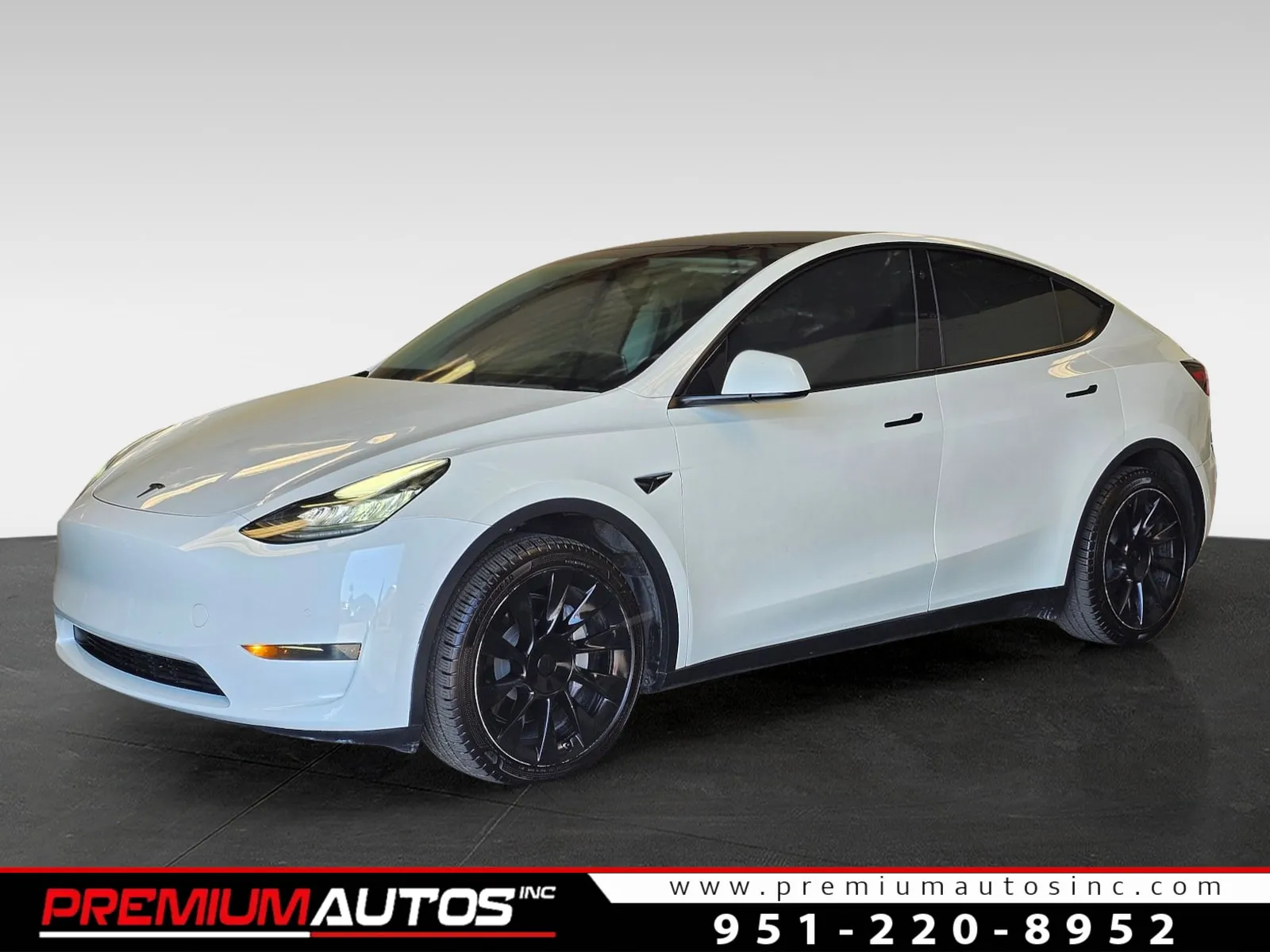
- Model Y: A spacious SUV, great for families. Prices range from $28,000 to $55,000, depending on the trim and year.
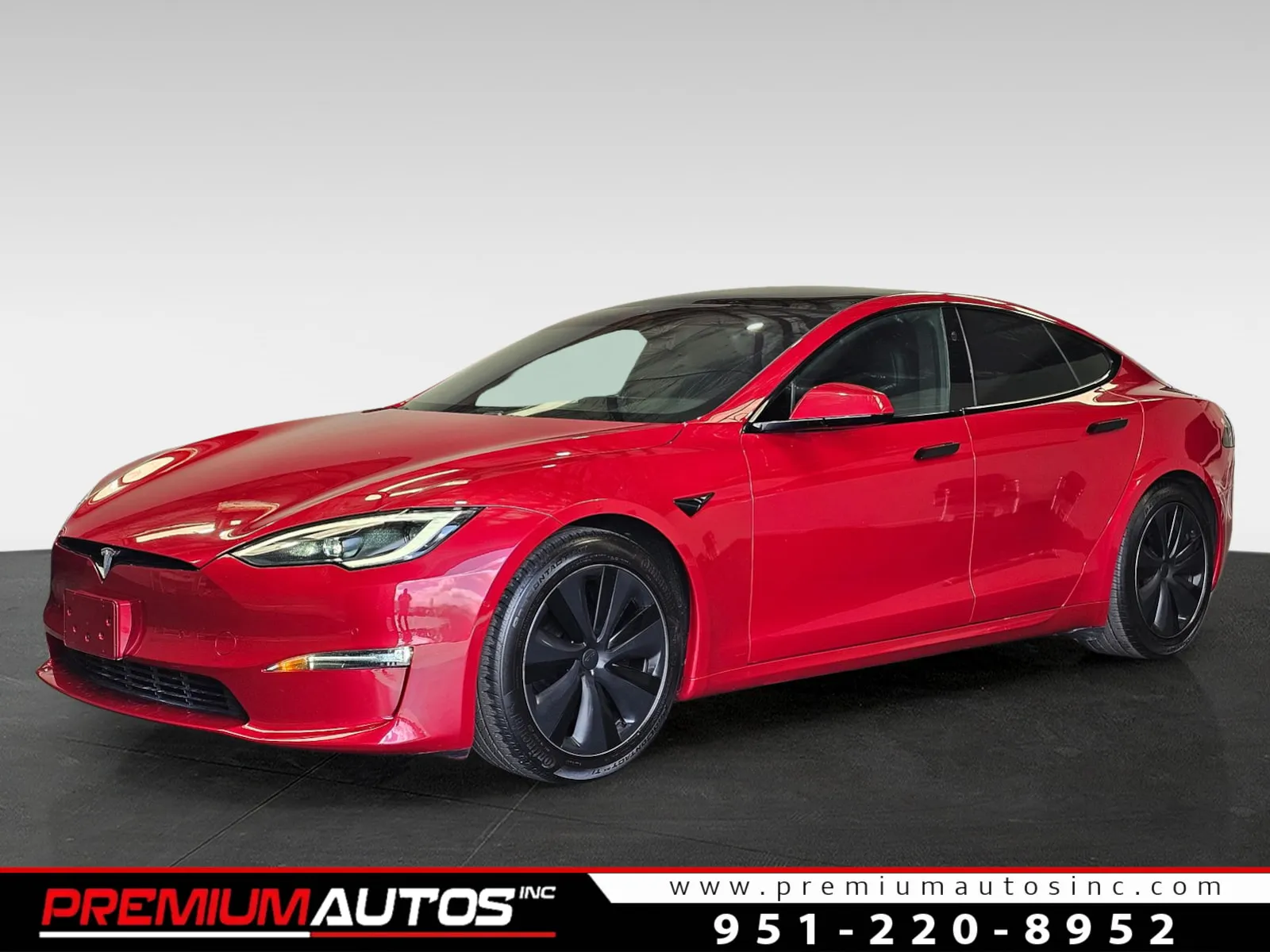
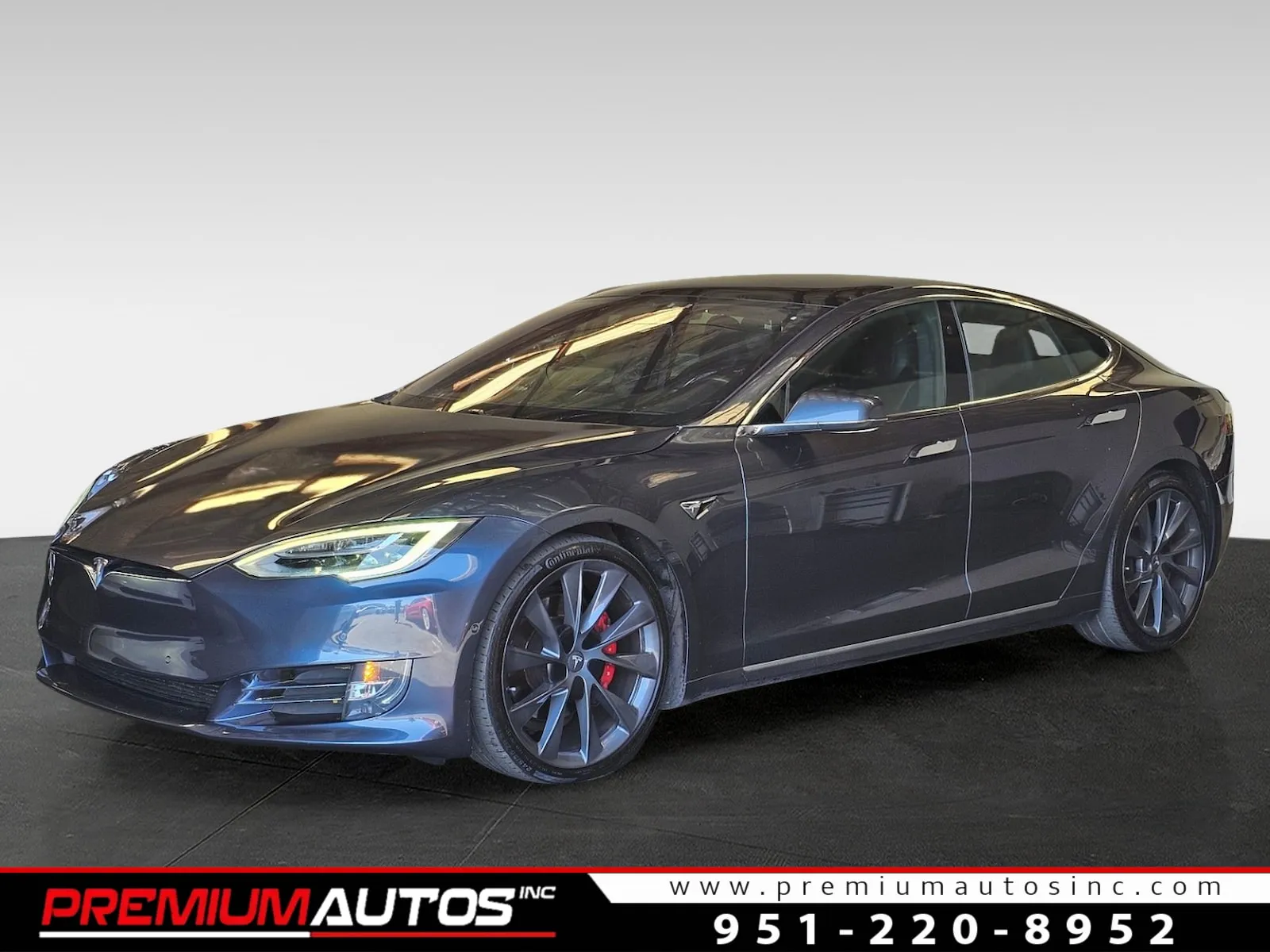
- Model S: A luxury sedan with top-tier performance and range. Prices fall between $13,000 and $80,000, depending on the model era.
Key tips: Check battery health, warranty coverage, and trim details before buying. Vehicles priced under $25,000 may qualify for a $4,000 federal tax credit. Financing options are available, and buyers with strong credit can secure better rates. Southern California dealerships like Premium Autos Inc offer financing assistance and rebate guidance.
Here’s how to choose:
- Model 3: Best for budget-conscious buyers.
- Model Y: Perfect for families needing more space.
- Model S: Luxury and performance enthusiasts.
2026 is a great time to find a used Tesla that fits your needs.
The 4 Best Used Teslas To Buy In 2026 ($20K to $35K)
sbb-itb-66f4901
1. Model 3
The used Model 3 market in 2026 is well-established, making it one of the more reliable options for buying a pre-owned EV. Most available cars are 4–5 years old, with average mileage in the mid-40,000s. Prices have settled after a sharp 22.6% drop in 2025, though early 2026 has seen a modest 2–4% increase, partly due to the expiration of the federal used-EV tax credit at the end of 2025.
"A used Tesla Model 3 in 2026 is no longer the wild frontier. It's a mature product with known strengths and documented flaws." - Recharged
Pricing and Trim Options
Prices for the Model 3 vary depending on the year and trim. Older 2017–2018 models are the most affordable, typically priced between $17,000–$23,000. Meanwhile, the more sought-after 2021–2022 versions, which include upgrades like a heat pump for better winter performance and improved interior quality, generally cost $24,000–$33,000. At the higher end, the refreshed 2024–2025 "Highland" models are listed at $33,000–$42,000.
For buyers looking for the best value, the 2021–2022 Long Range trim is a standout option. Priced under $30,000, it offers an impressive real-world range, an 8-year/120,000-mile battery warranty, and a balanced mix of affordability and features.
| Model Years | Trim | Approx. Mileage | Typical Price Range |
|---|---|---|---|
| 2017–2018 | RWD / Long Range | 60k–110k | $17,000–$23,000 |
| 2019–2020 | Standard Plus / LR | 40k–90k | $20,000–$28,000 |
| 2021–2022 | RWD / LR / Performance | 25k–70k | $24,000–$33,000 |
| 2023–2024 | RWD / LR | Under 40k | $28,000–$38,000 |
| 2024–2025 | Highland Refresh | Under 25k | $33,000–$42,000 |
Key Pre-Purchase Checks
Before committing to a purchase, there are a few critical steps to take:
- Confirm the trim via the VIN: This ensures you're getting the exact model and features you're expecting.
- Check battery health: Ask for a screenshot of the battery's range at a 100% charge. A 5-year-old Model 3 typically shows 8–12% degradation compared to its original EPA range.
- Review the battery warranty: Tesla covers battery replacement if capacity falls below 70%. Knowing the in-service date will help you determine how much warranty coverage remains.
Financing Considerations
Understanding financing options is just as important as finding the right car. For instance, a used Model 3 priced at $30,000 with a $6,000 down payment and a 6% APR over 60 months would result in a monthly payment of about $463. Buyers with strong credit (700 or higher) may qualify for lower interest rates of 5–7% APR, while those with average credit can expect rates between 7–11% APR.
If you're in Southern California, Premium Autos Inc in Norco and El Monte offers financing pre-approval services and can guide you through any EV incentives and rebate programs. These resources can make the buying process smoother and more accessible.
2. Model Y
The 2026 used Model Y market is buzzing with activity. As Tesla's best-selling SUV, it offers a healthy supply, particularly with off-lease 2023–2024 models hitting the market. This abundance gives buyers solid leverage for negotiations. After sharp price cuts, values saw a slight recovery of about 4.3% between late 2025 and early 2026, making prices competitive even if the absolute lowest deals are harder to find. With so many options available, shoppers can explore a variety of years and trims to suit their budgets.
Pricing by Year and Trim
If you're looking for a balance between updated features and reasonable depreciation, the 2021–2023 Long Range AWD models are worth considering. These versions come equipped with a heat pump, improved build quality, and (from 2022 onward) AMD Ryzen-based computers. Depreciation typically ranges between 15–30% off the original MSRP. For instance, in early 2026, a used 2025 Model Y Long Range with 16,000 miles was listed at $37,997, while a 2026 model with 31,000 miles was priced at $44,597.
| Model Year | Typical Price Range |
|---|---|
| 2020–2022 | $28,000–$36,000 |
| 2023–2024 | $34,000–$42,000 |
| 2025–2026 | $38,000–$55,000 |
Battery Health and Warranty
Tesla's battery performance remains reassuring. Most Model Y battery packs show only 6–10% range degradation over the first 100,000 miles, and capacity typically stays above 90% through 50,000–60,000 miles. All Model Y vehicles come with an 8-year battery and drive unit warranty: 100,000 miles for RWD trims and 120,000 miles for Long Range and Performance versions. To ensure you're covered, check the original in-service date using the vehicle's VIN.
However, Tesla’s pre-owned program doesn’t include a detailed battery health report. If battery condition is a priority, seek private sellers who provide a State of Health (SOH) diagnostic. For vehicles that are 3–5 years old, aim for an SOH score of at least 88–90%.
Financing the Model Y
Once you’ve confirmed the battery health and warranty details, it’s time to think about financing. For example, in early 2026, a 2026 Model Y Long Range priced at $44,597 with a $5,000 down payment and a 7.99% APR over 60 months would result in monthly payments of about $803. If you have strong credit, you could qualify for lower rates. In Southern California, dealerships like Premium Autos Inc in Norco and El Monte offer financing pre-approval and can help you navigate EV tax credits and resale value.
3. Model S
The Model S stands apart in the used Tesla market, especially now that Tesla ended its production in early 2026. This shift has turned the sedan into something of a modern classic. Once retailing for $90,000 to $130,000, these flagship models can now be found for $30,000 to $60,000. For anyone seeking a Model S, the used market is the only option. Below, you'll find a breakdown of pricing by era and trim to help you identify the best fit for your needs.
Pricing by Era and Trim
When it comes to the Model S, hardware generation often matters more than the exact model year. The lineup can be divided into several distinct eras:
- Pre-facelift (70/85/90, 2012–2015)
- Facelift (75D/90D, 2016–2017)
- 100D/Long Range (2018–2019)
- Raven Long Range/Performance (2019–2021)
- Refresh/Plaid (2021–2024)
Among these, the 2019–2021 Raven models strike a great balance of features and price. They include adaptive air suspension, upgraded motors, and Autopilot Hardware 3. These models are generally priced between $30,000 and $50,000+.
| Model Era | Approx. Years | Typical Price Range |
|---|---|---|
| Pre-facelift 70/85/90 | 2012–2015 | $13,000–$22,000 |
| Facelift 75D/90D | 2016–2017 | $20,000–$33,000 |
| 100D / Long Range | 2018–2019 | $26,000–$40,000+ |
| Raven Long Range / Performance | 2019–2021 | $30,000–$50,000+ |
| Refresh / Plaid | 2021–2024 | $45,000–$80,000+ |
Battery Health and Warranty
Tesla provides an 8-year/150,000-mile warranty on the Model S battery, guaranteeing it retains at least 70% of its original capacity - this mileage cap is higher than what’s offered for the Model 3 or Model Y Long Range. Before purchasing, check the displayed range at a full (100%) charge and compare it to the original EPA rating. If the range has dropped to around 70% of the original, the battery may be nearing the warranty threshold for repair.
Keep in mind that software features like Full Self-Driving (FSD) or Enhanced Autopilot don’t always transfer to new owners, depending on the original purchase terms. Always verify active software features via the "Software" tab on the vehicle’s center screen.
"A used Model S that 'used to have' FSD or Enhanced Autopilot but no longer does is just an expensive way to buy hope." - Recharged
Financing the Model S
Before finalizing financing, double-check warranty and software details to avoid surprises. Financing terms can vary significantly depending on the model era. For example, a 2018 Model S priced at $20,000 with a $5,000 down payment at a 7.99% APR over 60 months would result in a monthly payment of about $304. Meanwhile, a $35,000 Model S with minimal down payment at 7.5% APR over 72 months would cost roughly $605 per month. To minimize financial risks, try to align your loan term with the remaining battery warranty, especially since battery replacement costs can be significant.
For buyers in Southern California, Premium Autos Inc in Norco or El Monte offers financing options, a selection of Model S vehicles, and a program where Premium Autos buys your Tesla if you're looking to trade in.
Pros and Cons of Each Model
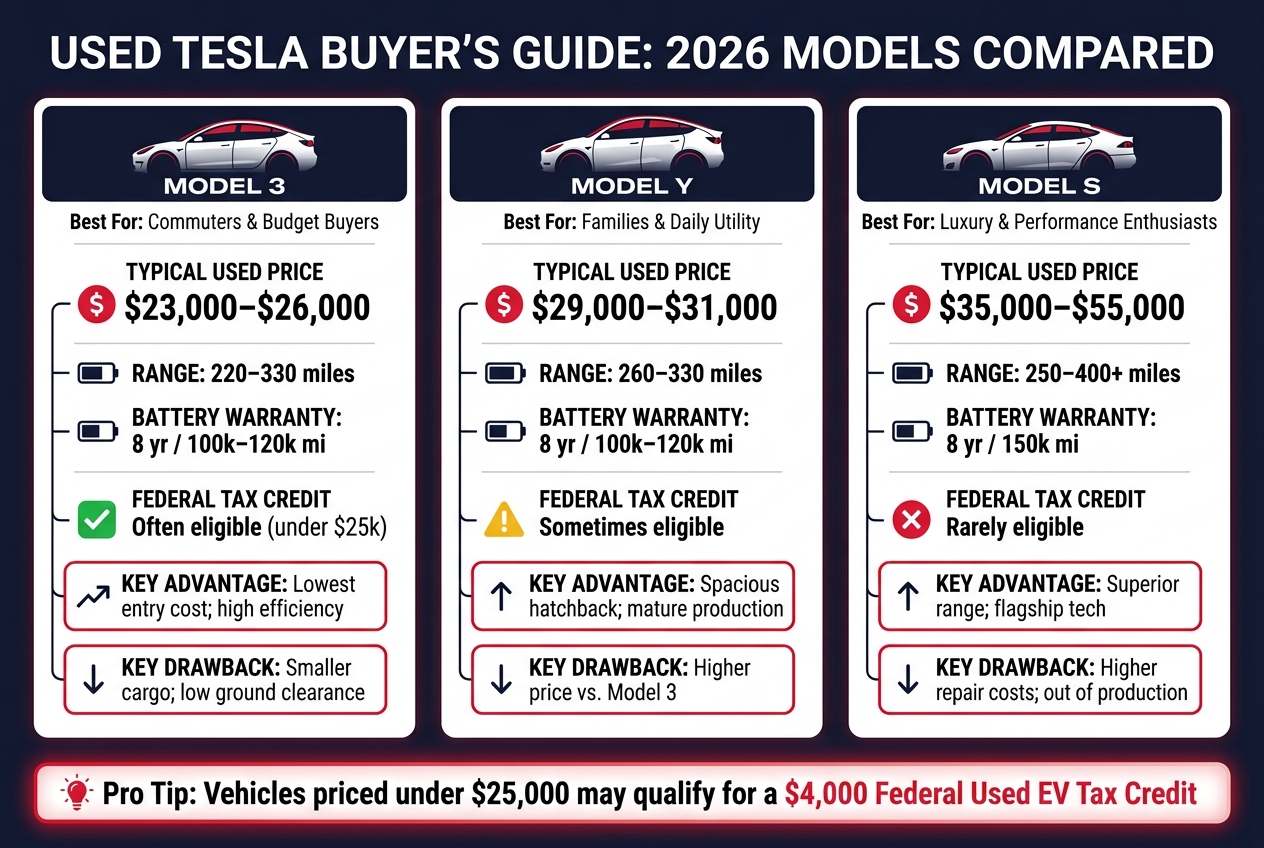
Used Tesla Model 3 vs Model Y vs Model S: 2026 Buyer's Guide
Here’s a quick comparison of the key strengths and limitations of three popular models. This table and analysis aim to help you decide which option fits your priorities in today’s competitive market.
| Feature | Model 3 | Model Y | Model S |
|---|---|---|---|
| Best For | Commuters & budget buyers | Families & daily utility | Luxury & performance enthusiasts |
| Typical Used Price | ~$23,000–$26,000 | ~$29,000–$31,000 | ~$35,000–$55,000 |
| Typical Range | 220–330 miles | 260–330 miles | 250–400+ miles |
| Battery Warranty | 8 yr / 100k–120k mi | 8 yr / 100k–120k mi | 8 yr / 150k mi |
| Federal Tax Credit Eligible | Often (if priced under $25k) | Sometimes | Rarely |
| Key Advantage | Lowest entry cost; high efficiency | Mature production; spacious hatchback | Superior range; flagship technology |
| Key Drawback | Smaller cargo space; low ground clearance | Higher price compared to Model 3 | Higher repair costs; out of production |
This breakdown simplifies the decision process by highlighting each model's core strengths and shortcomings.
For those keeping an eye on their budget, the Model 3 is the most affordable option. A well-maintained 2021–2022 model typically costs around $23,000 and may qualify for a $4,000 federal tax credit if priced under $25,000. Its standout features include excellent efficiency, agile handling, and easy parking. However, its sedan design and lower ground clearance might not suit everyone, especially those needing more cargo space or higher ride height.
The Model Y, on the other hand, is a family-friendly choice. Its hatchback design provides ample cargo space, and its mature production run ensures reliability. These practical features make it a favorite for daily utility, but this added convenience comes with a price tag $5,000–$8,000 higher than a comparable Model 3.
Then there’s the Model S, which caters to luxury and performance enthusiasts. It boasts an impressive range - some models exceed 400 miles - and offers the strongest battery warranty of the lineup at 8 years or 150,000 miles. However, owning a Model S can be expensive. Insurance, tires, and repairs (especially for components like air suspension) can add up quickly. Additionally, software features like Full Self-Driving (FSD) or Enhanced Autopilot may not transfer to new owners, making unverified software packages a risky investment.
"The newer car with a healthier battery is almost always the smarter buy, especially in 2026, when options are plentiful." - Recharged Guide
Regardless of the model, battery longevity is a strong point - assuming proper maintenance. Always check the battery's state of health (SOH) and in-service date to confirm warranty coverage.
Conclusion
The used Tesla market in 2026 presents an appealing option for buyers. With average prices hovering around $27,800 - just below the U.S. used-car average - these vehicles offer a solid blend of affordability and value. Many 3–4-year-old Teslas are priced 20–35% lower than their new counterparts, making them an attractive choice for those looking to save without compromising on quality.
There’s a Tesla for every lifestyle. If you’re a commuter, the 2021–2022 Model 3 RWD with its LFP battery, priced between $22,000 and $27,000, could be a great fit. Families might lean toward the spacious 2022–2023 Model Y Long Range, available for $30,000–$35,000. For performance enthusiasts, the Model S starts at around $35,000. Plus, vehicles priced under $25,000 may qualify for a $4,000 federal used EV tax credit, adding even more savings.
Battery health is another critical factor to consider. For Teslas aged 3–5 years, ensure the battery's State of Health (SOH) is above 88–90% to guarantee reliable performance over time.
"2026 is one of the best moments so far to slide into a used Model 3 or Model Y, if you pick carefully." - Recharged
Take these insights into account as you search for the Tesla that fits your needs. At Premium Autos Inc, with locations in Norco and El Monte, CA, you’ll find a curated selection of pre-owned Teslas, flexible financing options, and expert advice on EV tax rebates - all under one roof. Whether it’s your first EV or an upgrade, the perfect used Tesla deal might be closer than you think.
FAQs
How can I confirm a used Tesla’s trim and features before buying?
When looking to confirm a used Tesla’s trim and features, it’s important to carefully review the vehicle’s specifications and history. Tesla’s pre-owned inventory is a great resource, as it provides detailed information about the models, their features, and any inspections performed.
If you’re buying from a private seller, ask for the build sheet or window sticker to verify the car’s options and original configuration. For certified pre-owned Teslas, make sure to inquire about the battery’s condition and the software version - it’ll give you a clearer picture of the car’s overall health and capabilities.
For added peace of mind, consider using third-party checklists or inspection services when purchasing from sources outside of Tesla’s official inventory. These steps can help ensure you’re making a well-informed decision.
What’s the easiest way to check battery health on a used Tesla?
The easiest method to gauge a used Tesla's battery health is by looking at its range estimate, which indicates the battery's remaining capacity. On average, Tesla batteries maintain around 85% of their capacity even after 200,000 miles. For a deeper evaluation, you can also review service records or use Tesla's diagnostic tools to check the battery's performance.
Will Full Self-Driving (FSD) transfer when I buy a used Tesla?
When purchasing a used Tesla, it's important to know that a Full Self-Driving (FSD) transfer isn't always guaranteed. Tesla's policy on FSD transfers has evolved, and the most recent transfer promotion ended on March 31, 2026. To avoid surprises, make sure to check Tesla's latest policies or confirm directly with the seller to see if FSD is included in the deal.