Used Tesla Buyer’s Guide – Everything You Need to Know Before Buying
Buying a used Tesla can save you money while still giving you access to advanced electric vehicle features. Here’s what you need to know:
- Cost Savings: Compare current asking prices for the specific model, year, mileage and condition rather than relying on a fixed savings percentage or an older price estimate. Do not assume a federal used-EV tax credit is available for a new purchase; see the incentive section below.
- Battery Health: Check battery capacity, as it directly affects range and performance. Review available vehicle-specific assessments rather than assuming a universal healthy-capacity threshold.
- Warranty: Check the specific vehicle’s remaining coverage; a used purchase does not restart its original warranty.
- Software and Features: Confirm if features like Full Self-Driving (FSD) or Enhanced Autopilot are included, as they may not transfer with resale.
-
Popular Models:
- Model 3: Compact and budget-friendly.
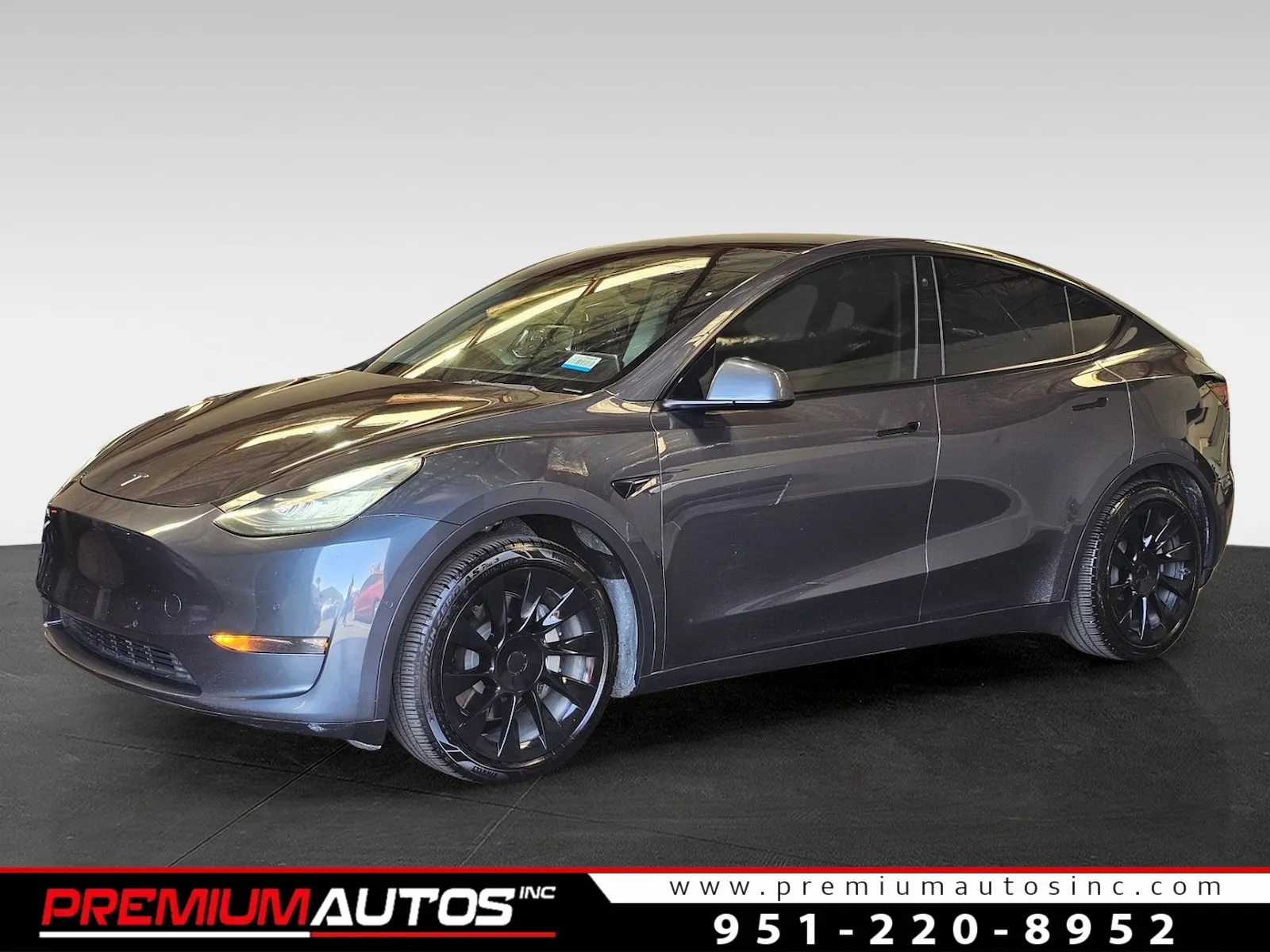
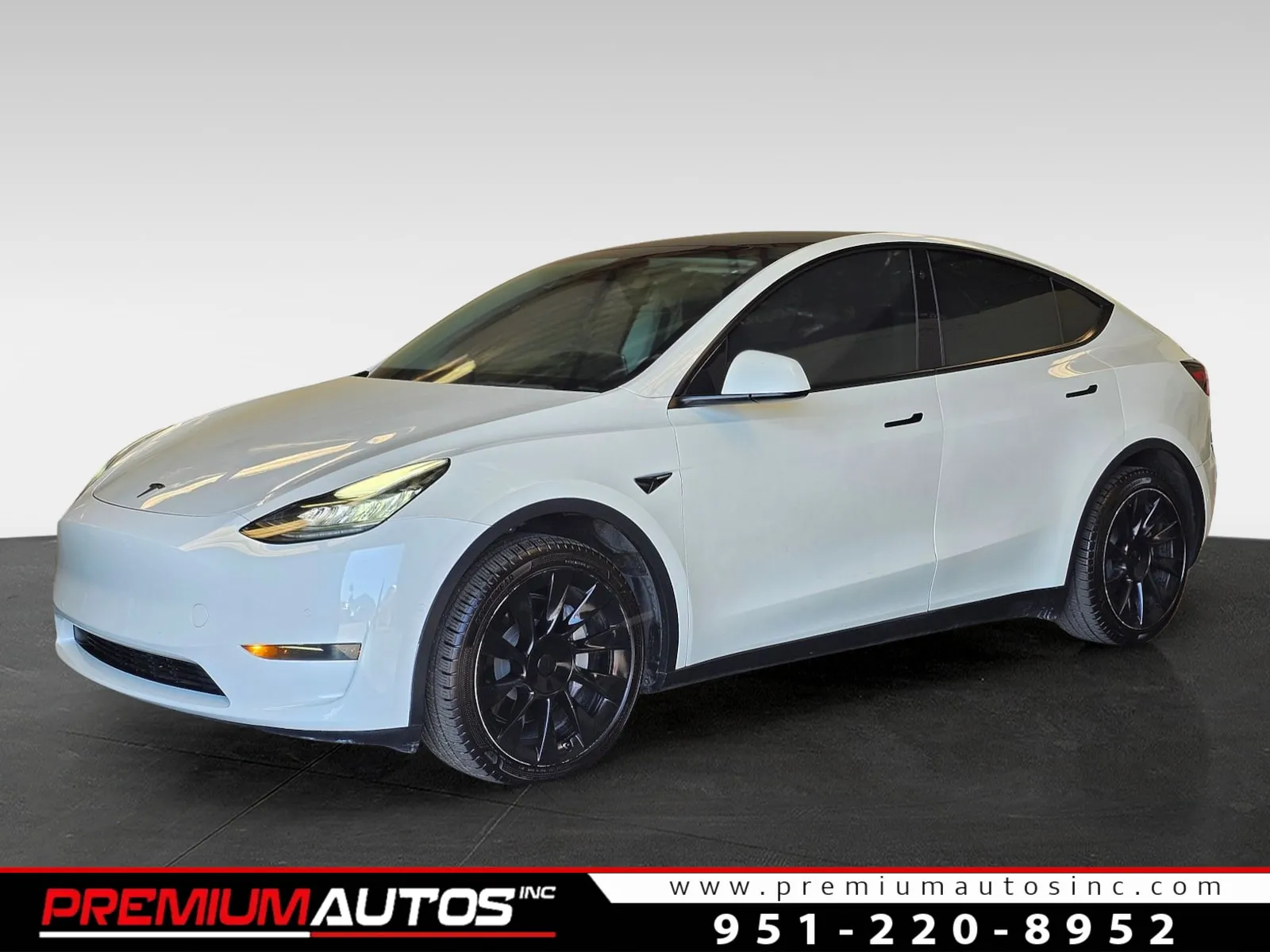
- Model Y: Small SUV with extra space.
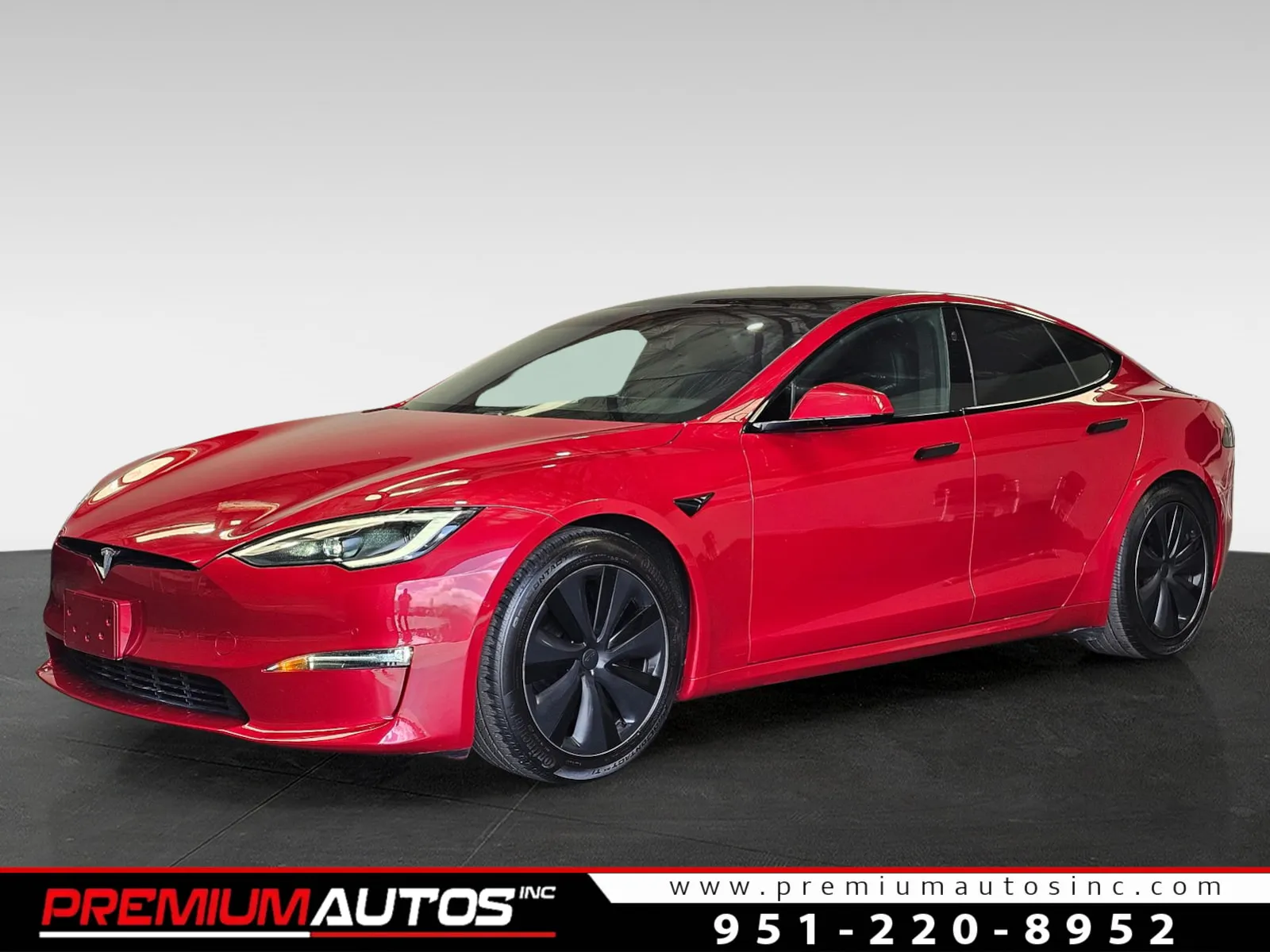
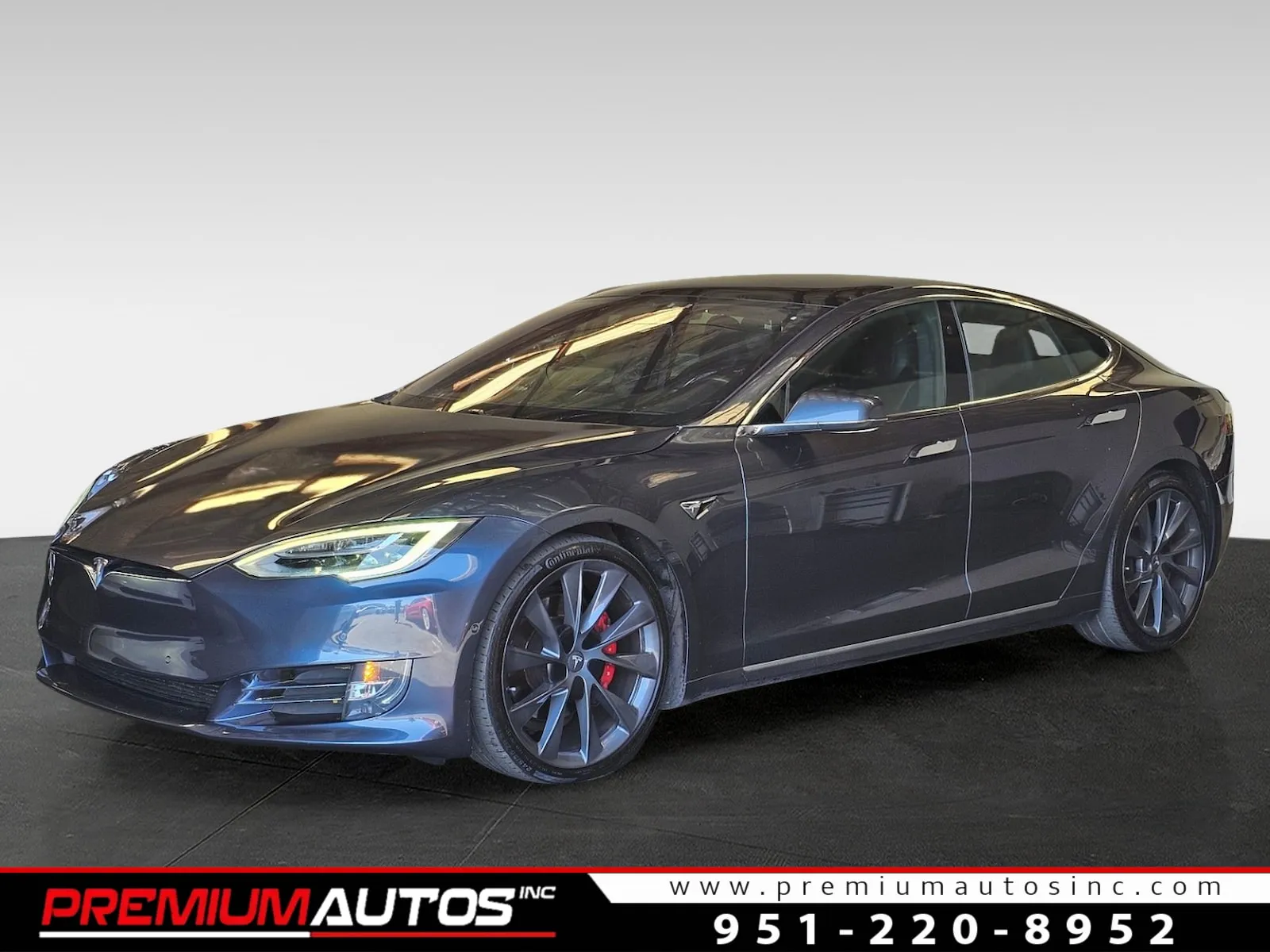
- Model S: Luxury sedan with long range.
- Model X: Full-size SUV with unique falcon-wing doors.
Quick Tip: Verify the specific vehicle’s installed hardware and included software before comparing feature claims.
Ultimate Guide: What I Learned Buying a Used Tesla
Tesla Models, Trims, and Features
Popular Tesla Models in the Used Market
Compare the Model 3 sedan and Model Y SUV based on your passenger, cargo and parking needs. Check the original range rating for the exact model year and configuration, not just the Long Range badge. A used vehicle’s actual range also depends on its condition, equipment and how it is driven. Confirm seating and cargo space on the individual vehicle before choosing.
The Model S is Tesla's flagship luxury sedan, celebrated for its extended range and high-performance capabilities, especially in the Plaid versions. On the other hand, the Model X is a full-size SUV equipped with eye-catching falcon-wing doors and seating for up to seven, blending elegance with practicality. Do not apply today’s new-vehicle warranty summary to every older Tesla. Review the warranty documents applicable to the vehicle you are considering.
Year-to-Year Updates and Changes
Compare equipment on the specific vehicle rather than treating a model-year cutoff as proof of its hardware. Ask for confirmation of the computer, infotainment processor, battery type and heating equipment when those features matter to your purchase. Do not assume an older vehicle is eligible for a hardware upgrade.
Before relying on a third-party fast charger, confirm the specific vehicle’s compatibility and the adapter it needs. Tesla directs owners to check compatibility in the Tesla app and arrange a service retrofit if required. Review Tesla’s CCS1 to NACS adapter information for current requirements and pricing; do not assume one retrofit price applies to every model. Ask which charging accessories are included with the car.
Choosing the Right Model for Your Needs
For Southern California driving, consider daily mileage, reliable charging access and occasional longer trips. Plan the actual route in the vehicle’s navigation and review estimated arrival charge and suggested charging stops. A generic stop count is not a reliable comparison without the route, vehicle and starting charge. See Tesla’s trip-planning and winter guidance.
Cold weather can reduce range. A heat pump, if equipped, can reduce energy used for cabin heating, but it does not eliminate weather-related range changes. Check the specific vehicle’s equipment and Tesla’s range guidance when planning mountain or winter trips. If passenger space is a priority, confirm the actual seating configuration and try the seats before buying.
Battery Health and Vehicle Performance
How Tesla Batteries Work and Degrade
Battery energy retention varies with age, usage, battery chemistry and charging history. Evaluate the specific vehicle rather than applying a universal percentage threshold or average degradation rate to every used Tesla.
How to Check Battery Health
Ask for any available battery assessment and service records. A full-charge range display is an estimate, not a stand-alone battery diagnosis. Tesla explains its EPA-consumption-based display in its Model 3 range guidance.
Some vehicles offer battery-health information or an optional test; availability is not universal. Tesla recommends the Model 3 Battery Health Test only when there is a concern about energy retention. Follow the applicable Tesla battery-test instructions, including charging and safety requirements, rather than attempting to discharge the battery manually. For battery alerts or unresolved concerns, request an assessment by Tesla or a qualified EV technician before purchase.
Testing Performance and Charging
Inspect the charging port and ask which charging equipment is included. Confirm compatibility with the charging options you plan to use. During a safe test drive, check normal vehicle operation; a short drive alone does not establish battery capacity.
An optional battery test is not a requirement for every shopping visit. Confirm whether the vehicle supports it and whether testing is appropriate. Tesla’s Model 3 procedure can require up to 24 hours on AC charging, so do not assume it can be completed during a test drive.
sbb-itb-66f4901
Vehicle History, Warranty, and Software Features
Checking Vehicle History and Title Status
Match the VIN on the vehicle with its paperwork before reviewing records. Use Tesla’s VIN Recall Search or NHTSA’s recall tool to check the specific car rather than relying on a model-wide recall headline. Ask for documentation of completed recall work and contact Tesla about unresolved results. NHTSA notes that VIN results do not show already repaired recalls and may not yet include every vehicle in a newly announced recall.
Review available title, accident and service records alongside an independent inspection. NICB VINCheck can add information from participating insurers’ theft and salvage records, but it is not a comprehensive history report. A result with no record is not proof that a vehicle has never been damaged. Discuss missing records or inconsistencies before purchase.
Tesla Warranty Coverage Explained
Remaining Tesla coverage depends on the specific vehicle’s original warranty terms, in-service date, mileage and eligibility. A used purchase does not restart the original warranty. Review the warranty supplied with the vehicle and ask Tesla to confirm remaining coverage.
Tesla says its New Vehicle Limited Warranty transfers with the vehicle through its ownership-transfer process. The additional Tesla Pre-Owned Vehicle Limited Warranty described on Tesla’s website applies to eligible vehicles purchased directly from Tesla; do not assume it accompanies a purchase from Premium Autos. Review Tesla’s vehicle warranty guidance and the vehicle’s own warranty documents before buying.
Verifying Software Features and Updates
Check installed hardware and included software separately. Tesla describes checking Controls > Software > Additional Vehicle Information in its AI computer guidance. Do not infer installed equipment from model year alone.
For FSD (Supervised), confirm whether access comes from an outright purchase, subscription, trial or package. A previous owner’s subscription requires the buyer to subscribe with their own account. Previously purchased FSD that was not transferred away can remain with the vehicle; package terms can differ. Confirm the vehicle’s status with Tesla and request written confirmation of advertised included features.
FSD (Supervised) requires active driver supervision and does not make the vehicle autonomous. Availability depends on vehicle configuration and software. Review Tesla’s FSD guidance and the applicable owner’s manual.
Budgeting and Total Cost of Ownership
What Affects Used Tesla Prices
Use current vehicle listings rather than older market averages to build your budget. Compare the same model, model year and trim, then review mileage, condition, title history, available battery information and confirmed included features. A model name alone is not enough to make a like-for-like price comparison.
For each vehicle on your shortlist, request an itemized out-the-door quote and confirm availability before visiting. Keep the advertised vehicle price separate from taxes, registration and any additional charges shown in the quote. Compare the total purchase cost, not only a monthly payment or an assumed discount from a new Tesla.
Operating Costs of a Tesla
Charging: Build your budget around the charging locations you will actually use in Southern California. Tesla says Supercharger prices vary by site and can vary by time of day; check the Tesla app or vehicle touchscreen before charging. Additional fees may apply. Review Tesla’s Supercharging pricing guidance rather than assuming one statewide price per kWh.
For home charging, check your electricity plan and expected charging hours. Compare your expected mix of home, workplace and public charging, and include any equipment or installation quote separately. Whether charging saves money compared with gasoline depends on your rates, driving and the vehicles being compared.
Maintenance and repairs: Review the applicable owner’s manual, service history and inspection findings for the specific car. Budget for tires, routine service and possible repairs rather than assuming a fixed annual cost. Obtain an insurance quote for the exact vehicle before buying.
Do not use a generic battery-replacement price as a repair quote. If there is a battery or drive-unit concern, ask a qualified service provider for a vehicle-specific assessment and estimate, and confirm whether any remaining warranty applies. Tesla explains how owners can obtain and review estimates in its service appointment guidance.
Financing Options and Incentives
Before financing a used Tesla, compare written offers using the amount financed, APR, loan term and total payments—not the monthly payment alone. A longer term can lower the monthly payment while increasing the total interest paid. A calculator provides an estimate, not a financing approval or offer. See the CFPB’s auto-loan comparison guidance.
If you plan to trade in a vehicle, compare its agreed value with the lender’s payoff amount. Positive equity may reduce the amount you need to borrow; rolling negative equity into a new loan increases the amount financed and can increase borrowing costs. Review the CFPB’s trade-in guidance and request an itemized breakdown before agreeing to terms. Confirm any financing offer’s eligibility requirements and conditions directly with the provider.
Federal used-EV credit: The IRS states that the Used Clean Vehicle Credit is not available for vehicles acquired after September 30, 2025. Do not include this expired federal credit when budgeting for a new purchase. Review the IRS Used Clean Vehicle Credit guidance for the acquisition cutoff and requirements for earlier qualifying transactions. Check any separate state or local program directly for current availability and eligibility.
Compare total ownership costs using your own purchase quote, financing terms if applicable, insurance quote, charging plan and service budget. Do not assume a fixed fuel-saving amount or lower insurance premiums for every driver.
Conclusion: Making an Informed Purchase
Buying a used Tesla doesn’t have to feel overwhelming when you know what to look for. Start by assessing the battery health, as it plays a crucial role in the car's range, charging speed, and overall performance. Make sure to check the battery's State of Health (SOH) and capacity. Next, review the warranty coverage - this can save you from unexpected repair costs, particularly for the battery pack and drivetrain. Finally, verify the software and hardware features, as these determine whether your Tesla includes perks like Full Self-Driving capability, an up-to-date infotainment system, and efficiency boosters such as a heat pump.
Ask Premium Autos which inspection records and battery information are available for the vehicle you are considering. Confirm the scope of any completed inspection and discuss an independent pre-purchase inspection before committing. Do not assume every vehicle includes a battery-capacity report or a guarantee of future battery performance.
Armed with this information, you’ll be ready to choose a used Tesla that combines the performance and efficiency you want - all at a price that works for you.
FAQs
How can I check the battery health of a used Tesla before purchasing?
Request available battery information and service records for the specific vehicle. Displayed range alone is not a definitive measure of battery condition. Test availability varies; follow the vehicle’s applicable Tesla instructions and consult a qualified EV technician about unresolved concerns.
Do features like Full Self-Driving transfer when purchasing a used Tesla?
It depends on how access was obtained. A previous owner’s subscription does not become your subscription. Previously purchased FSD may remain if it was not transferred away; package terms can differ. Confirm the vehicle’s status with Tesla rather than relying on a hardware label or demonstration alone.
What factors should I consider when choosing a used Tesla model?
When choosing a used Tesla, it's important to weigh factors like the model type, year, and trim level. These elements play a big role in determining the car's performance, available features, and driving range. Another key detail to check is the battery health, as it significantly impacts how long the vehicle will last and how efficiently it charges.
It’s also worth finding out if the car is still under Tesla’s warranty, which can add an extra layer of reassurance. Don’t overlook the software features - different models may have varying updates or functionalities, so confirm what’s included. Make sure the car supports your preferred charging options, whether you plan to charge it at home or rely on public charging stations. Finally, think about your specific needs for space, performance, and range to ensure the Tesla you select fits seamlessly into your daily life.