Ultimate Guide to Used Cars with Autonomous Features
Ultimate Guide to Used Cars with Autonomous Features
Autonomous features in used cars are becoming more accessible, offering advanced safety and driving convenience at lower costs. However, understanding these systems is crucial to make informed decisions. Here's what you need to know:
- Autonomy Levels: Most used cars offer Level 1 (basic assistance) or Level 2 (partial automation). Fully self-driving systems (Level 3 or higher) are rare in the used market.
- Key Features: Look for adaptive cruise control, lane centering, and emergency braking. Premium options may include hands-free driving and driver monitoring systems.
- Inspection Tips: Check sensors and cameras for damage, ensure software is updated, and test features during a drive.
- Costs: Be aware of higher insurance premiums, potential software subscription fees, and depreciation trends. For example, Tesla's Full Self-Driving costs $99/month or $8,000 upfront.
- Buying Advice: Certified pre-owned vehicles are a safer bet. Verify that all autonomous features are functional and properly transferred.
Used cars with autonomous systems can improve safety and driving comfort, but they also come with unique costs and considerations. Knowing what to look for ensures a smarter purchase.
Buying A Used Tesla | Will FSD Transfer? Is Full Self Driving Worth It?
Autonomous Driving Levels Explained
The Society of Automotive Engineers (SAE) has developed a clear system to classify autonomous driving technologies into six levels, ranging from Level 0 (no automation) to Level 5 (full automation).
These levels are divided into two categories: Levels 0–2, where the driver remains in control, and Levels 3–5, where the Automated Driving System (ADS) takes over driving tasks when activated. These distinctions influence everything from legal liability to insurance policies and the overall driving experience. Currently, most vehicles on the road fall within Levels 0 to 2.
| Level | Name | Your Responsibility | What the Car Does | Common Examples |
|---|---|---|---|---|
| 0 | No Automation | Full control of all driving tasks | No automated features | Basic cars without driver aids |
| 1 | Driver Assistance | Monitor the road, hands on the wheel | Assists with either steering or speed control | Adaptive cruise control, lane keeping |
| 2 | Partial Automation | Constantly monitor and stay ready to intervene | Controls steering and speed simultaneously | Tesla Autopilot, Cadillac Super Cruise |
| 3 | Conditional Automation | Be ready to take over when alerted | Fully drives under certain conditions | Mercedes-Benz Drive Pilot |
| 4 | High Automation | No intervention in specific zones | Fully autonomous in designated areas | Driverless taxis on fixed routes |
| 5 | Full Automation | No driver needed | Fully autonomous in all conditions | Future concept vehicles |
Now, let’s dive into how these levels appear in commonly used vehicles.
Levels 1-3: What Most Used Cars Offer
Level 1 systems provide basic assistance, such as either steering or controlling speed, but not both at the same time. Features like adaptive cruise control, which maintains your speed and distance from the car ahead, or lane-keeping assistance, which gently steers the car back into its lane, fall into this category. Hands-on driving and constant attention to the road are still required.
Level 2 systems are more advanced and can manage both steering and speed simultaneously. This creates a more seamless driving experience. Popular examples include Tesla’s Autopilot and Cadillac’s Super Cruise. However, drivers must still monitor the system closely and be ready to take control at any moment.
Level 3 automation, while less common in the used car market, is a step forward. In early 2022, Mercedes-Benz introduced its Drive Pilot system in the U.S., capable of operating at speeds up to 37 mph in heavy traffic. This system allows drivers to remove their hands from the wheel and focus on other activities, like streaming videos or answering emails. However, drivers must remain alert and take over when prompted.
According to Goldman Sachs, up to 10% of new cars globally could feature Level 3 technology by 2030. Even so, these systems are likely to remain rare in the used car market for years.
Common Terms and What They Mean
Automakers often use marketing terms that can create confusion about their systems’ capabilities:
- Autopilot (Tesla): Despite the name, Tesla’s Autopilot operates at Level 2. Even Tesla’s "Full Self-Driving" package is still classified as Level 2, though the company is working toward higher levels of automation.
- Super Cruise (Cadillac): This system combines adaptive cruise control with lane centering and uses detailed mapping and driver monitoring. It allows hands-free driving on approved highways, but driver attention is still necessary.
Terms like "self-driving" or "autopilot" often describe advanced Level 2 systems rather than true full automation. Understanding these distinctions is key when evaluating a vehicle’s capabilities.
Legal Requirements in the US
For Levels 0–2, the driver remains fully responsible for all driving tasks, and these systems are legal on all U.S. roads. They are categorized as "driver support systems".
Level 3 systems face stricter regulations. While the technology exists, widespread use depends on state-by-state approvals and adherence to specific conditions. For example, Mercedes-Benz’s Drive Pilot required separate approval processes in Germany before seeking clearance in the U.S..
Levels 4 and 5 represent fully autonomous systems where no human intervention is expected. However, these vehicles are currently limited to testing programs and specific routes. Level 4 vehicles, like driverless taxis, operate in controlled environments under special permits.
For buyers in the used car market, this means that vehicles available for purchase today will, at most, offer Level 2 autonomy. The National Highway Traffic Safety Administration (NHTSA) emphasizes:
"At this time, even the highest level of driving automation available to consumers requires the full engagement and undivided attention of drivers".
When considering a used car with autonomous features, it’s important to remember that you’ll still need to stay fully engaged with the driving process.
Autonomous Features to Look For
Choosing the right autonomous features can make all the difference in your driving experience. Today, most automakers offer packages that bundle advanced driver-assist technologies, so it's essential to focus on features that align with your driving habits and budget.
Standard Features in Most Models
Many vehicles now come equipped with Adaptive Cruise Control (ACC), a cornerstone of modern autonomous systems. When evaluating ACC, check if it can handle starting, stopping, and maintaining safe distances across various speeds and road conditions. The best systems excel in stop-and-go traffic, automatically bringing the car to a halt when needed.
Lane Centering is another vital feature. It’s worth assessing how effectively the system keeps the vehicle in the center of the lane, rather than simply correcting for drift.
For highway driving, Automatic Lane Changes can be a game-changer. This feature allows the car to change lanes automatically when you signal, using sensors to ensure the maneuver is safe.
Rounding out the standard suite is Traffic Sign Recognition, which uses cameras to read speed limits, stop signs, and other traffic markers. Many systems display this information on the dashboard or head-up display, and some even adjust your cruise control speed based on detected limits.
These features form the foundation of safety and convenience, but premium models take things a step further with more advanced capabilities.
Premium Features in High-End Models
Higher-end vehicles often come with advanced autonomous features that elevate the driving experience. For example, hands-free driving modes - such as GM's Super Cruise - are designed for specific mapped highways. These systems often include eye-tracking technology to ensure the driver remains attentive.
Driver monitoring systems are another standout feature in premium vehicles. These systems use cameras and sensors to track eye movements and hand positions, ensuring the driver stays engaged.
Brands like Hyundai and Kia have received praise for their Level 2 driver-assist systems, with many noting their adaptive cruise control and lane-centering features perform on par with Tesla’s offerings.
In a notable leap, Mercedes-Benz introduced its Drive Pilot system in 2024 on select models like the S-Class and EQS Sedan. This Level 3 system, certified for use on specific roads in Nevada and California, represents a significant milestone in autonomous driving.
Software Updates and Their Benefits
Modern vehicles are increasingly defined by their software, much like smartphones. As Sjoerd Spaargaren, Global Product Marketing Manager Automated Driving at HERE, puts it:
"We've entered the era of software-defined vehicles where updates happen seamlessly, like on your smartphone".
Over-the-air (OTA) software updates are a major advantage, allowing vehicles to receive new features or improvements without a visit to the dealership. If you're considering a used car with autonomous features, ask how its system handles updates, as software advancements can significantly impact performance.
With semi-autonomous features and advanced driver-assistance systems (ADAS) becoming more common, even budget-friendly buyers can access impressive technology in the used car market. Many newer models now include artificial intelligence-driven features, and these innovations are steadily making their way into pre-owned vehicles at approachable prices.
How to Evaluate Autonomous Systems
When buying a used car with autonomous features, it's important to carefully assess these systems to avoid costly repairs and future headaches. Knowing what to look for and understanding how different systems compare can make all the difference.
Comparing Different Systems
Autonomous driving systems vary widely between manufacturers, each with its own strengths and limitations. Understanding these differences can help you choose a system that matches your driving needs.
Tesla's Autopilot is one of the most well-known systems, offering features like Navigate on Autopilot for highway driving and automatic lane changes. It also benefits from regular over-the-air updates that improve its functionality. GM's Super Cruise stands out for its true hands-free driving capability on over 400,000 miles of mapped roads in the U.S. and Canada. Its driver attention system uses infrared cameras to track eye movement, ensuring the driver remains engaged. BMW's Driving Assistant Professional, on the other hand, focuses more on driver assistance rather than full hands-free operation. It performs particularly well in stop-and-go traffic, offering smooth lane centering on highways.
| System | Hands-Free Operation | Supported Roads | Driver Monitoring | Key Strengths |
|---|---|---|---|---|
| Tesla Autopilot | Limited | Most highways | Steering wheel torque | Frequent updates, Navigate feature |
| GM Super Cruise | Yes | 400,000+ mapped miles | Eye tracking camera | True hands-free capability |
| BMW Driving Assistant Pro | No | Most highways | Steering wheel contact | Smooth operation, conservative design |
Once you've identified a system that fits your preferences, the next step is a thorough inspection to ensure it performs as expected.
What to Check During Inspection
A proper evaluation involves both a physical inspection and a review of the vehicle's software. Start by visually inspecting all sensors and cameras. Look at radar units on the bumpers, cameras near the rearview mirror, and ultrasonic sensors around the car's perimeter. Check for signs of damage, dirt, misalignment, cracks, or corrosion that could affect their calibration.
Next, verify the software version in the car's settings to ensure it matches the latest release from the manufacturer. Review system logs for recurring error codes or sensor malfunctions. It's a good idea to ask the seller or dealer to run a diagnostic scan to confirm that all components are functioning properly.
During your test drive, pay attention to warning signs like delayed acceleration, inconsistent system behavior, or unusual alerts. These could signal calibration issues or malfunctioning sensors. If the car has been in an accident - even a minor one - its autonomous systems may need professional recalibration, which can be expensive and requires specialized equipment.
The National Highway Traffic Safety Administration reported 40,901 fatalities from motor vehicle crashes in 2023, with 94% of these accidents caused by human error. Properly functioning autonomous systems could potentially reduce crashes by up to 90%, saving an estimated $190 billion annually.
Finally, consider both static and dynamic testing. Static tests check sensor responses in controlled environments, while dynamic tests evaluate features like autonomous emergency braking and adaptive cruise control in real-world conditions. Professional inspections that simulate radar signals can further confirm that sensors are responsive to obstacles.
sbb-itb-66f4901
Ownership Costs and Considerations
Owning a used autonomous car involves more than just the purchase price. You’ll need to account for ongoing expenses like subscriptions and higher insurance premiums. As these advanced features become standard in used cars, weighing these hidden costs becomes just as important as evaluating the car's capabilities.
Resale Value and Depreciation
Autonomous technology is changing how used cars retain value. By 2030, experts predict that 10–15% of new cars will include autonomous features, which means cars without them could depreciate faster. Urban buyers are increasingly drawn to vehicles with the latest tech, and research indicates that compact cars equipped with autonomous features tend to hold their value better. A KPMG Australia study also suggests that personal car ownership in major cities could drop by 20% over the next decade, adding further pressure on resale values. These trends directly affect overall ownership costs, including insurance and warranty expenses.
Insurance and Warranty Costs
Insurance for autonomous vehicles tends to be 20–30% higher due to the expensive nature of repairs. For instance, the average cost of an autonomous vehicle crash is about 30% higher than a human-driven crash, with repairs costing 3–5 times more. However, advanced safety features in these cars could reduce certain risks, and experts estimate that insurance premiums for autonomous vehicles may decrease by 30–50% by 2030. Liability is also shifting - from individual drivers to manufacturers and software providers - leading to changes in insurance models. If you own an autonomous car, make sure your coverage includes high-tech repairs and look into potential discounts for safety features like automatic emergency braking. On top of insurance, recurring software fees can also influence long-term ownership costs.
Ongoing Software and Subscription Fees
Many autonomous features require ongoing software subscriptions, unlike traditional cars where most functions are included in the purchase price. These subscriptions can vary significantly depending on the manufacturer:
| Manufacturer | System | Monthly Cost | Annual Cost | One-Time Option |
|---|---|---|---|---|
| Tesla | Full Self-Driving (FSD) | $99 | – | $8,000 |
| Ford | BlueCruise | $49.99 | $495 | $2,495 |
| General Motors | Super Cruise | $25 (after 3 years) | – | Free for first 3 years |
| Mercedes-Benz | Drive Pilot | – | – | $2,500 |
In 2022, BMW faced backlash for introducing an $18 monthly fee for features like heated seats and remote start, eventually dropping the heated-seat charge after customer complaints. Beyond subscriptions for specific features, annual maintenance and software updates for autonomous vehicles can range from $5,000 to $20,000 per vehicle. Additionally, cloud computing and data storage costs can add another $1,000 to $10,000 per year. When planning your budget for a used autonomous car, it’s crucial to include these recurring expenses alongside traditional costs like fuel, insurance, and routine maintenance.
Buying Process and Tips
Finding a used car equipped with autonomous features takes more than the usual car-shopping routine. It’s about digging into the details of the technology, verifying software functionality, and understanding how these advanced systems influence financing and ownership.
Where to Find the Right Vehicle
Start by checking manufacturer websites to familiarize yourself with the terminology for autonomous systems. Different brands use unique names for similar features - Tesla refers to its system as Full Self-Driving, GM calls it Super Cruise, and Ford offers BlueCruise. Knowing these terms will help you communicate clearly with dealers and refine your search for listings.
Certified pre-owned vehicles are a smart choice when shopping for cars with autonomous features. These vehicles typically go through extensive inspections, often include updated software, and are equipped with modern infotainment systems to match newer models. Always ask for proof of active autonomous features, such as a screenshot from the vehicle’s system. For Tesla buyers, double-check that Full Self-Driving is enabled after the car is linked to your account, as this transfer doesn’t always happen automatically.
Interestingly, as of February 2025, the FSD Hunter app has been scanning used Tesla listings to help buyers identify vehicles with Full Self-Driving enabled (Tesla Motors Club, 2025).
Once you’ve narrowed down your options, review financing and trade-in opportunities to make the purchase process smoother.
Financing and Trade-In Services
Securing financing for a used vehicle with advanced features often requires working with lenders who understand how technology impacts vehicle value and insurance. For example, Premium Autos Inc offers flexible financing options for all credit types, along with an online pre-approval process to save you time at the dealership.
Trade-in services can also help reduce the cost of your new purchase. Premium Autos Inc provides trade-in evaluations that reflect current market trends and the growing demand for vehicles with autonomous capabilities.
Once your financing is in place, choose a dealership that specializes in autonomous technology to ensure a seamless buying experience.
Why Choose Premium Autos Inc
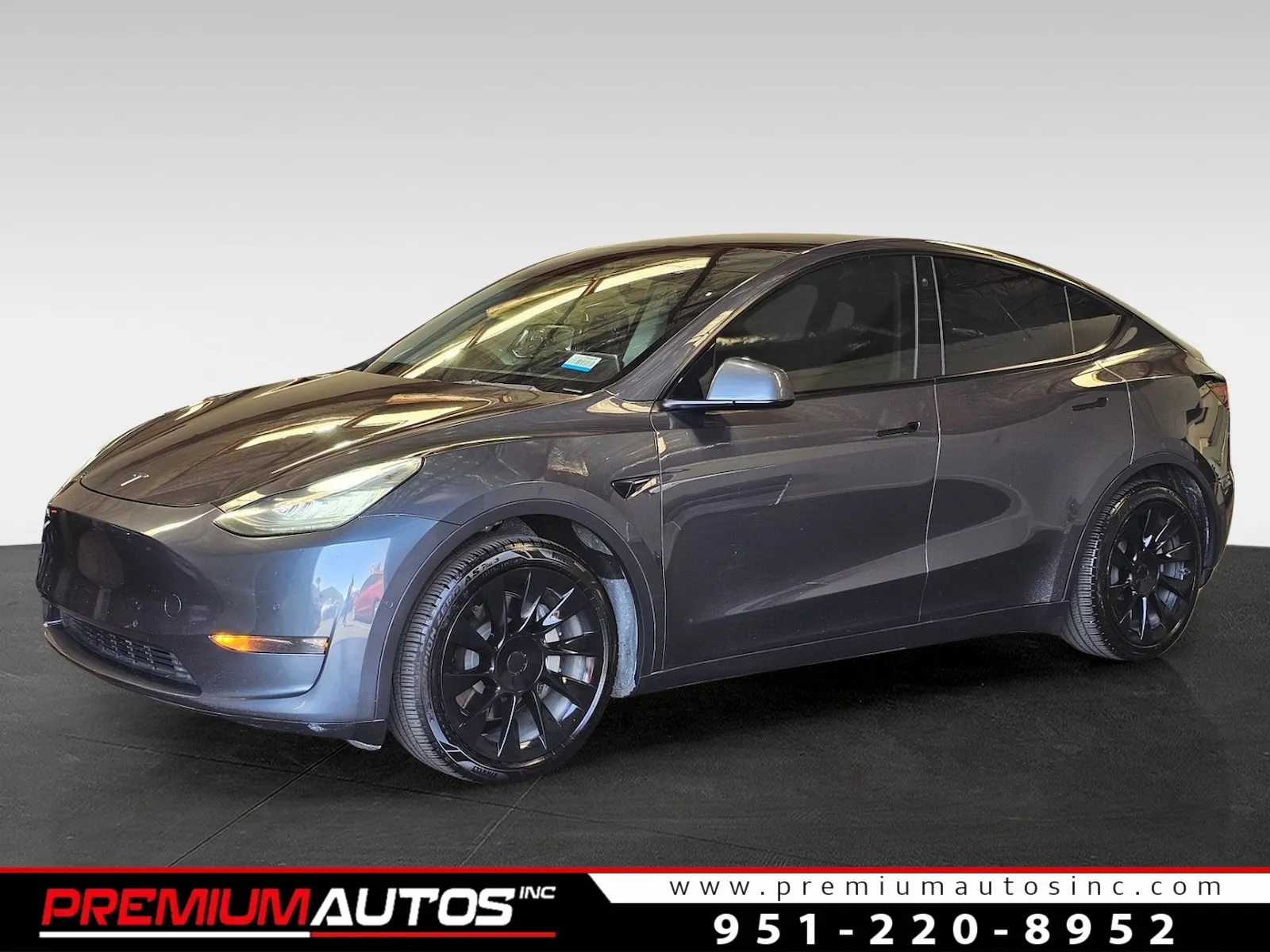
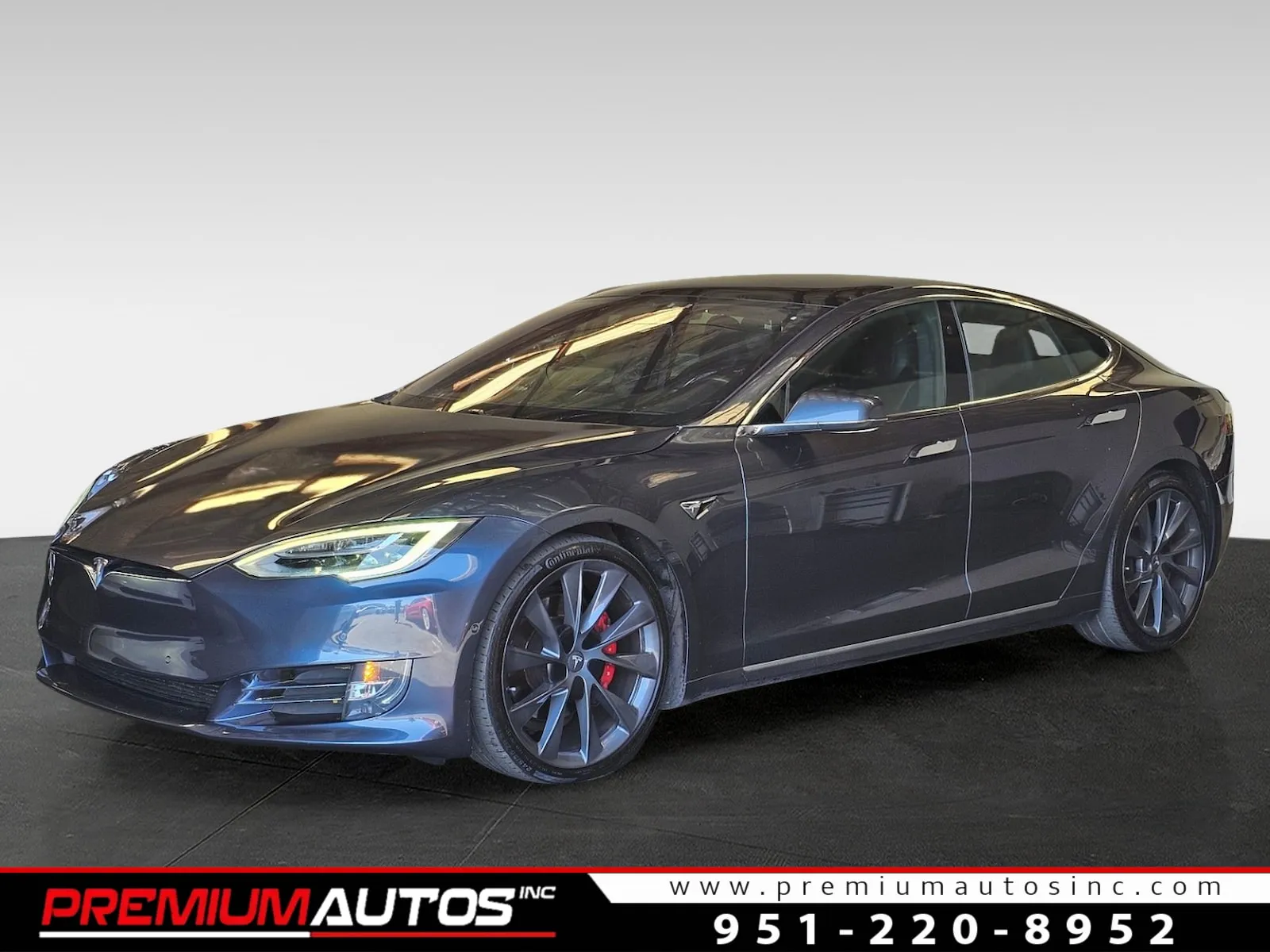
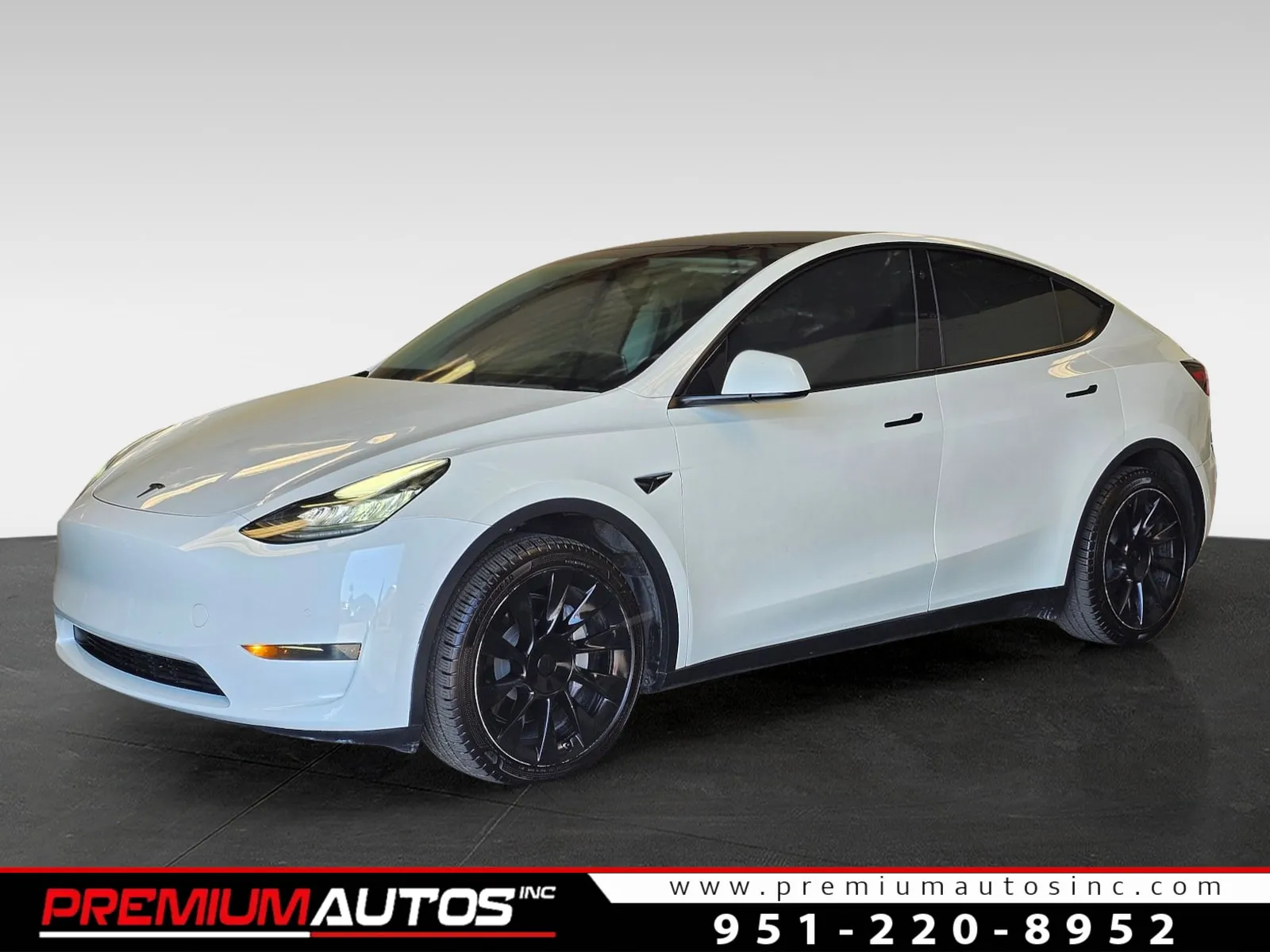
Premium Autos Inc sets itself apart by thoroughly inspecting and verifying all autonomous systems in their vehicles. With locations in Norco and El Monte, California, they focus on high-quality brands like Tesla, BMW, and Toyota. Their stringent inspections ensure that the autonomous features are fully functional, minimizing the chances of software issues or sensor malfunctions.
The dealership simplifies the buying process with online pre-approvals and fair trade-in evaluations. Their deep understanding of brands like Tesla means they can handle the complexities of software license transfers, ensuring all autonomous features remain active after the sale. Whether you’re looking for basic driver assistance or advanced self-driving capabilities, Premium Autos Inc offers a wide range of options to suit your needs and budget.
Conclusion
Buying a used car with autonomous features requires a solid understanding of how automotive technology continues to evolve. These vehicles come with unique considerations, such as SAE levels, software licensing transfers, and ongoing subscription fees, which set them apart from traditional cars. With human error accounting for 94% of motor vehicle accidents, the safety systems in these vehicles offer an added layer of protection that’s worth serious consideration.
Autonomous systems like Tesla's Full Self-Driving, GM's Super Cruise, and Ford's BlueCruise each function differently, so it’s important to understand these differences to find a vehicle that aligns with your driving needs and budget.
Beyond the technology itself, you’ll also need to plan for ongoing costs like insurance, subscription fees, and depreciation. While these expenses can add up, the enhanced safety and potential for higher resale value may balance things out over time.
Working with a trustworthy dealership is crucial when navigating these complexities. A dealer with expertise in high-end brands and autonomous technologies can ensure that features like software licensing and functionality are properly handled. For instance, Premium Autos Inc specializes in brands like Tesla, BMW, and Toyota, ensuring that all autonomous features are fully operational and correctly transferred after purchase.
As Greg Brannon, AAA’s automotive engineering director, puts it:
"Most drivers want automakers to focus on advanced safety technology. Though opinions on fully self-driving cars vary widely, it's evident that today's drivers value features that enhance their safety."
This growing interest in safety-enhancing technology highlights the appeal of used cars with autonomous features, making them a smart choice for buyers who prioritize safety and innovation.
FAQs
What’s the difference between Level 2 and Level 3 autonomous driving in used cars?
The main distinction between Level 2 and Level 3 autonomous driving systems comes down to how much responsibility the car takes on versus how much attention the driver must maintain.
Level 2 systems assist with functions like steering, braking, and accelerating. However, the driver is required to stay fully alert and actively monitor the road at all times - essentially, the car helps, but you're still in charge.
Level 3 systems step it up by managing more advanced tasks, such as recognizing and reacting to their surroundings. These systems allow the driver to take their hands off the wheel and engage in other activities, but only temporarily. The catch? You must remain ready to take over if the system signals for assistance.
If you're considering a used car with autonomous features, knowing these distinctions can guide you toward the right choice for your driving style and needs.
How do subscription fees and software updates affect the cost of owning a used car with autonomous features?
Subscription fees and software updates can play a big role in the overall expense of owning a used car with autonomous features. Services like self-driving capabilities or advanced connectivity often come with monthly fees, usually falling between $8 and $11. These recurring charges can add up over time and should be part of your budgeting considerations.
On top of that, software updates are crucial for keeping the vehicle's autonomous systems running smoothly. These updates might be bundled into a subscription plan or require separate payments. They help ensure your car benefits from the latest improvements in safety and performance. So, when you're evaluating a used car with autonomous features, don’t forget to account for these ongoing costs in addition to the purchase price. It’ll give you a clearer picture of what owning the car will actually cost.
How can I make sure the autonomous features in a used car are working properly before buying?
To make sure the autonomous features in a used car are working as they should, start by identifying which driver assistance systems the vehicle has. These might include lane-keeping assist, adaptive cruise control, or automatic emergency braking. You can usually find this information in the car’s owner’s manual or by checking the software interface.
Once you know what’s included, test these features in a safe, controlled setting like an empty parking lot or a quiet street. Activate each system to see how it handles real-world scenarios, such as detecting lane markings or nearby objects. For more advanced features, like Tesla's Full Self-Driving (FSD), check the car’s display or app to ensure the software is up to date and fully activated.
Lastly, it’s a good idea to have a qualified technician run a diagnostic check. They can confirm that all autonomous systems are functioning correctly. Keeping up with software updates and scheduling professional inspections can give you peace of mind that these features are reliable and ready to use before you commit to buying the car.