Ultimate Guide: Driving Gas, Hybrid, Electric Cars
Ultimate Guide: Driving Gas, Hybrid, Electric Cars
Choosing between gas, hybrid, and electric cars comes down to your driving habits, budget, and priorities. Here's a quick breakdown of key differences to help you decide:
- Gas Cars: Affordable upfront, quick to refuel, and widely supported. Best for long trips or areas without charging infrastructure. Higher fuel and maintenance costs.
- Hybrids: Combine gas and electric power for better fuel efficiency. No need for charging, making them flexible for both city and highway driving.
- Electric Vehicles (EVs): Lowest operating costs and zero emissions. Great for shorter commutes if you can charge at home or have access to charging stations. Higher upfront cost but lower long-term expenses.
Quick Comparison
| Feature | Gas Cars | Hybrid Cars | Electric Cars |
|---|---|---|---|
| Power Source | Gasoline | Gas + Electric | Fully Electric |
| Refueling/Charging | 5 mins (gas) | 5 mins (gas) | 20 mins–12 hrs |
| Range | 300–500+ miles | 300–500+ miles | 100–400 miles |
| Operating Cost | $0.15/mile | $0.08–$0.12/mile | $0.04/mile |
| Emissions | High | Reduced | Zero |
Gas cars are familiar and convenient but less efficient. Hybrids balance efficiency with flexibility. EVs offer low costs and clean energy but require charging infrastructure. Your choice depends on what fits your lifestyle best.
Gas vs Hybrid vs Plug-in vs Electric - What's The Difference?
Gas-Powered Cars: How They Drive
Gas-powered cars deliver a driving experience that's been a staple for decades. These vehicles rely on spark-ignited internal combustion engines, converting gasoline into power while producing the familiar sounds and vibrations that many drivers associate with traditional driving. Unlike electric vehicles, which offer instant torque, gas-powered cars build up their acceleration gradually as the engine revs, creating a predictable power curve that feels natural to most drivers.
This well-known operation defines how these vehicles perform and handle on the road.
Performance and Handling
Gas-powered vehicles offer a driving experience that feels connected and engaging. When you press the accelerator, the engine takes a moment to rev up, delivering power in a gradual yet satisfying way. This dynamic gives gas cars a distinct character, often appealing to drivers who enjoy the mechanical feedback of traditional engines.
The engine’s sound and vibrations add another layer of connection, offering tactile and auditory feedback that enhances the driving experience. Performance-focused gas models typically deliver more horsepower than hybrids, though they may not match the top speeds of some electric vehicles. Additionally, gas cars provide consistent handling thanks to their reliance on a single power source and multi-speed transmissions, which offer the familiar sensation of gear shifts that many drivers enjoy.
That said, gas-powered cars can be noisier and less polished at lower speeds compared to hybrids and electric vehicles. Since the engine runs continuously, city driving or stop-and-go traffic often brings more noticeable noise and vibration. On highways, however, gas vehicles shine, offering steady performance without concerns about range or recharging.
Fuel efficiency for gas cars typically falls between 25–30 MPG, though larger SUVs and trucks often achieve lower numbers. Highway driving tends to improve fuel economy due to consistent speeds and fewer stops, while urban driving with frequent starts and stops can significantly increase fuel consumption.
Refueling Convenience
When it comes to refueling, gas-powered cars have a major advantage. Gas stations are virtually everywhere, from small towns to major highways across the United States. Refilling the tank takes about five minutes, making it a quick and hassle-free process, whether you're commuting locally or embarking on a long road trip. This extensive and accessible infrastructure eliminates the need to plan routes around refueling stops or worry about long waits during busy travel times.
Environmental Impact
One of the biggest drawbacks of gas-powered vehicles is their environmental footprint. Burning gasoline produces tailpipe emissions, including carbon dioxide and other pollutants that contribute to air quality problems and climate change. With around 250 million passenger vehicles in the U.S. running on gasoline, these cars are a significant source of transportation-related emissions.
Compared to hybrids and electric vehicles, gas-powered cars have a far greater environmental impact. Electric vehicles produce no tailpipe emissions, and hybrids reduce emissions by combining gas engines with electric motors. In urban driving, hybrids can cut fuel consumption by up to 40% compared to gas-only vehicles, resulting in fewer emissions. For drivers focused on reducing their environmental impact, gas-powered cars remain the least eco-friendly choice among the three main powertrain options.
Despite these environmental concerns, gas-powered cars remain popular in the U.S. market. Their lower upfront costs, well-established refueling network, and familiar operation continue to attract buyers.
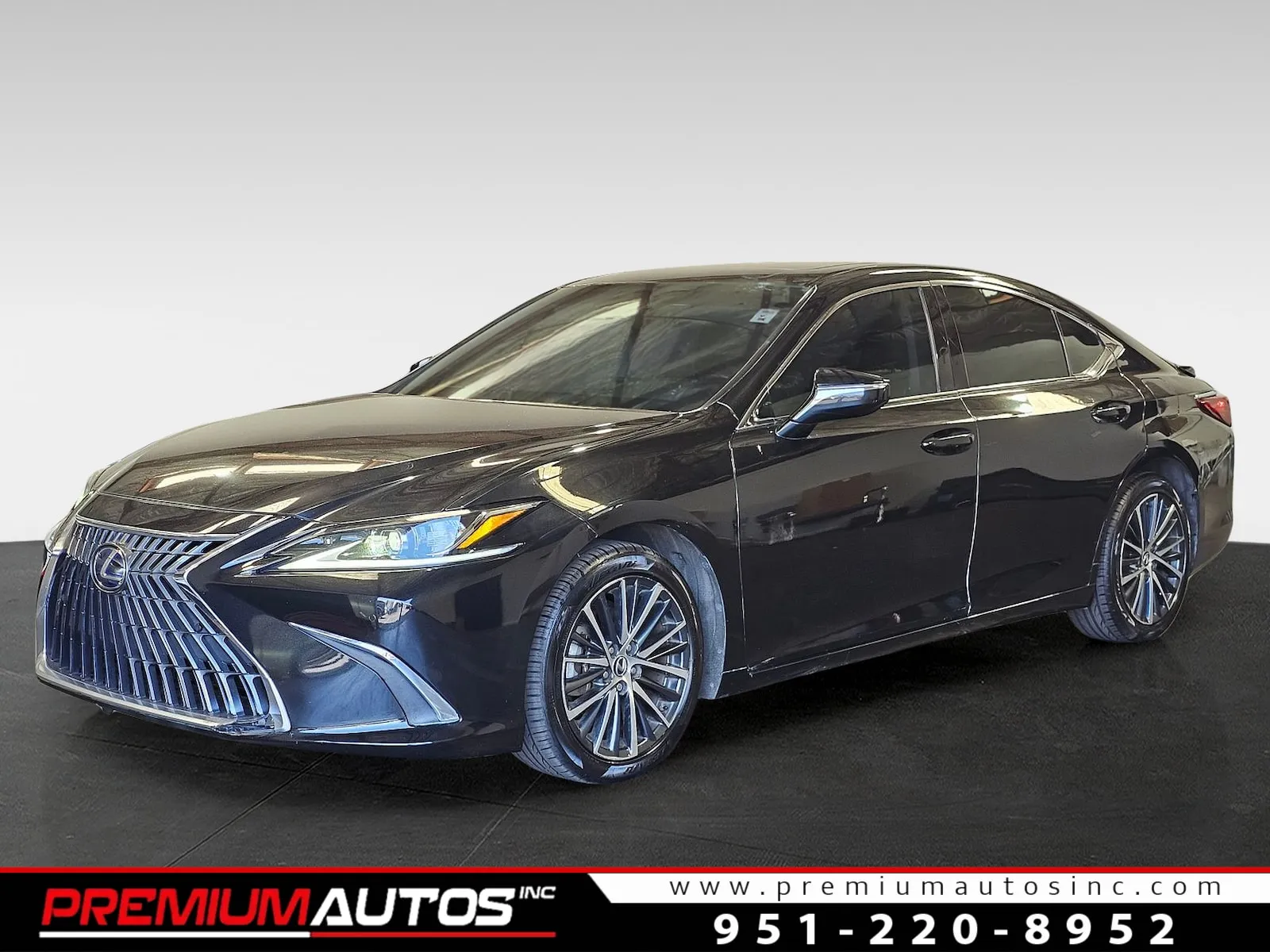
For those who value the classic feel and straightforward nature of gas-powered vehicles, Premium Autos Inc offers a wide selection of high-quality pre-owned models. Explore their inventory at Premium Autos Inc to find vehicles that combine traditional performance with the convenience of America’s most reliable refueling network.
Hybrid Vehicles: Combining Gas and Electric Power
Hybrid vehicles blend the benefits of traditional gas-powered cars with the advantages of electric technology, offering a middle ground between the two. By combining these systems, hybrids provide better fuel efficiency and lower emissions, all while maintaining the convenience of quick refueling and the extended range of gas engines. Since 2019, nearly 5.4 million hybrid vehicles have been sold in the United States.
What makes hybrids even more appealing is their ability to automatically switch between gas and electric power depending on driving conditions. This smart system optimizes efficiency without requiring any extra effort from the driver.
How Hybrid Powertrains Work
At the heart of a hybrid vehicle is a powertrain that includes a high-voltage battery pack, an electric motor, a gas tank, and an internal combustion engine. In many models, the electric motor is either built into the transmission or placed between the engine and transmission. One standout feature is regenerative braking, which captures energy usually lost as heat during braking. Instead, the electric motor acts as a generator, storing this energy in the battery. That stored power can then assist the gas engine during acceleration or even run the car at low speeds.
Hybrid systems generally fall into three main types:
- Mild Hybrids: These provide modest electric assistance, mainly to support the gas engine for small performance boosts or powering accessories.
- Full Hybrids: With stronger electric motors, full hybrids can operate on electric power alone at lower speeds while also capturing more energy through regenerative braking.
- Plug-In Hybrids (PHEVs): These have larger batteries, allowing them to run entirely on electric power for a significant distance before switching to gasoline.
The system seamlessly transitions between gas-only, electric-only, and combined modes based on driving needs, ensuring maximum efficiency in various situations. This smooth coordination results in a quieter, more efficient ride.
Driving Experience
Hybrids are celebrated for their smooth and quiet performance, especially in city driving. The electric motor delivers instant torque, reducing the strain on the gas engine during acceleration. This makes for a more responsive and enjoyable driving experience, without the delay often associated with traditional engines. In stop-and-go traffic, regenerative braking not only recovers energy but also minimizes engine noise and vibration, making urban commutes quieter and more comfortable. While some drivers might notice the transitions between power modes, these shifts are part of the system's design to maintain a balanced and efficient drive. On highways, the gas engine typically takes over, offering performance comparable to conventional vehicles.
Hybrid technology isn’t just about efficiency. Luxury and performance brands have embraced it to deliver enhanced power and refinement. For instance, BMW’s XM model is the most powerful in the M division lineup, showcasing how hybrid systems can amplify performance. Similarly, the Jeep Grand Cherokee 4xe combines rugged off-road capability with the benefits of electric efficiency.
Fuel Efficiency and Emissions
In addition to the smooth ride, hybrids shine when it comes to fuel savings and cutting emissions. By capturing energy during braking and coasting, hybrids can achieve 30–50% better fuel economy compared to similar gas-only models. This not only lowers fuel consumption but also reduces long-term operating costs. Since hybrids partially rely on electric power, they produce fewer harmful emissions. When driving at low speeds on electric power alone, they emit zero tailpipe emissions, though emissions do occur when the gas engine is in use.
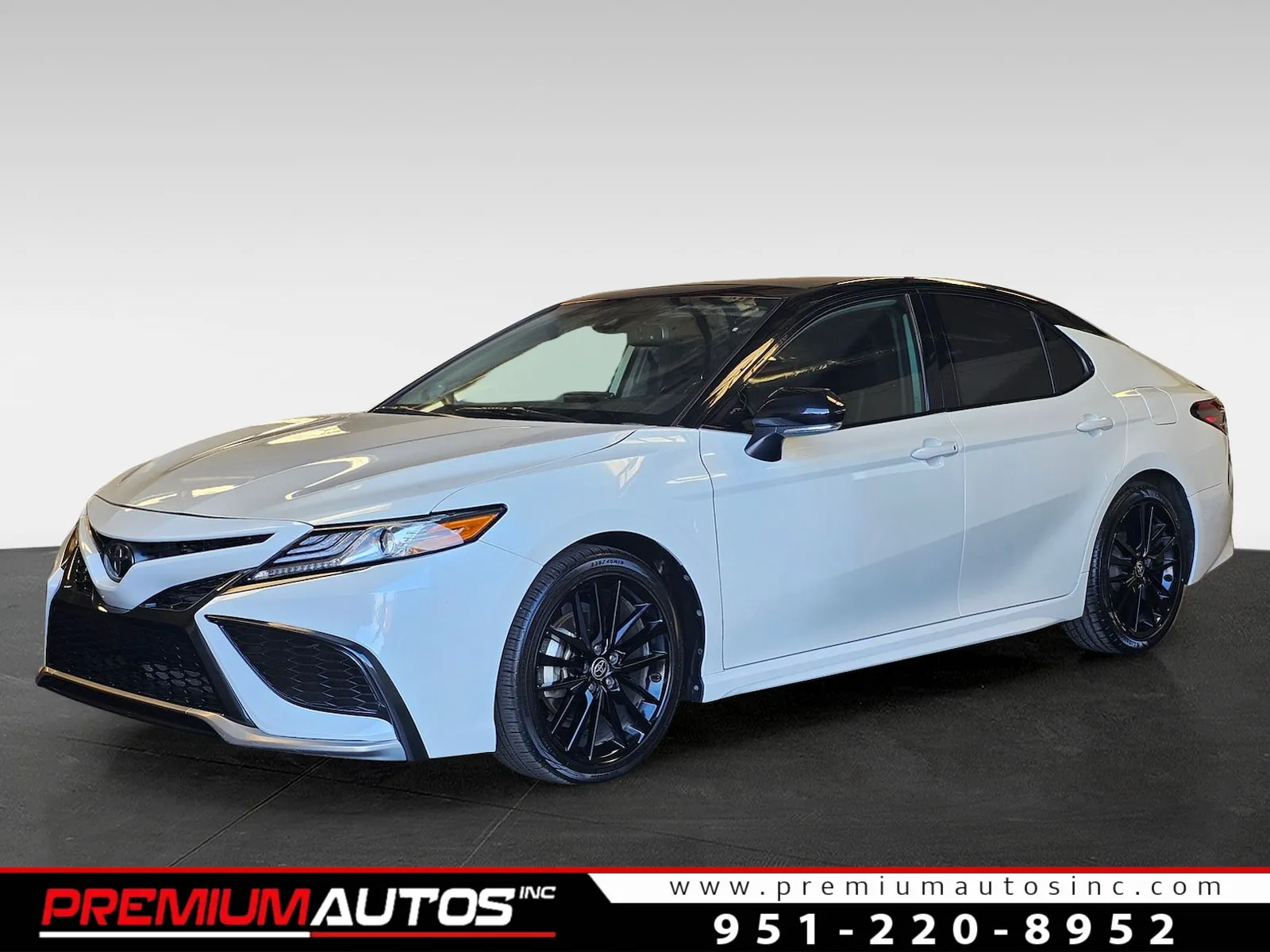
For those who want the efficiency of hybrid technology without the limitations of fully electric vehicles, Premium Autos Inc offers a range of pre-owned hybrid cars. Check out their inventory at Premium Autos Inc to explore options that combine excellent fuel economy with reduced emissions - all without the need for charging stations.
Electric Vehicles: How They Drive
Electric vehicles (EVs) deliver a driving experience that's quite distinct from traditional gas-powered or hybrid cars. Without a conventional engine, EVs offer smooth, quiet acceleration that makes daily commutes more serene. Gone are the engine noises, gear shifts, and vibrations - leaving you with a calm ride where even subtle sounds become more noticeable, especially at higher speeds.
Another key difference lies in how EVs handle on the road. While their batteries make them heavier, the low center of gravity enhances grip and stability, giving them a planted, confident feel. This design plays a big role in their standout performance.
Instant Torque and Acceleration
One of the most exciting aspects of driving an EV is the instant power delivery. Electric motors generate maximum torque right from 0 RPM, meaning you get full power the moment you press the accelerator. This translates to quick, seamless acceleration - perfect for zipping through city streets or pulling away from traffic lights. Even EVs with modest power can go from 0 to 60 mph impressively fast, though their top speeds tend to be lower than gas-powered cars.
For first-time EV drivers, this immediate response can take some getting used to. It's easy to over-accelerate at first, so practicing in a safe, open space can help build confidence before hitting busier roads.
One-Pedal Driving and Regenerative Braking
Many EVs introduce drivers to "one-pedal driving", a feature that changes how you control the car. When you lift your foot off the accelerator, regenerative braking kicks in, converting the car's kinetic energy into electricity to recharge the battery. This means you can often manage both acceleration and deceleration with just the accelerator pedal.
Drivers transitioning from gas-powered vehicles may need a little time to adjust, but most EVs allow you to customize the regenerative braking settings to suit your preferences. In stop-and-go city traffic, this feature not only improves energy efficiency but also reduces wear on the brake pads, leading to lower maintenance costs over time.
Range and Charging
Beyond performance, the charging process is a defining part of the EV experience.
Most EVs offer a range of 100 to 400 miles per charge, which easily covers the average U.S. driver's daily round trip of about 31.8 miles. While EVs generally have shorter ranges than gas or hybrid cars, they are more than capable of handling typical commutes. Factors like weather and driving habits can impact range, but simple steps like maintaining proper tire pressure can help maximize efficiency.
For convenience, installing a home charging station is a game-changer. It allows you to charge overnight, so you can start each day with a full battery. This eliminates the hassle of hunting for public chargers during routine drives. Plus, the cost of operating an EV - around $0.04 per mile - is significantly lower than the $0.15 per mile average for gas cars. Many utility companies also offer time-of-use pricing, which rewards charging during off-peak hours with reduced rates.
For those who can't charge at home or need to plan long trips, public charging networks are expanding quickly. These chargers come in different speeds: Level 2 chargers take a few hours, while DC fast chargers can add a substantial amount of range in just 20–30 minutes. However, the availability and reliability of public chargers can vary depending on location, with urban and suburban areas generally having better infrastructure than rural regions. Features like preconditioning, which lets you heat or cool the cabin while the car is still plugged in, make EVs even more practical - especially during extreme weather.
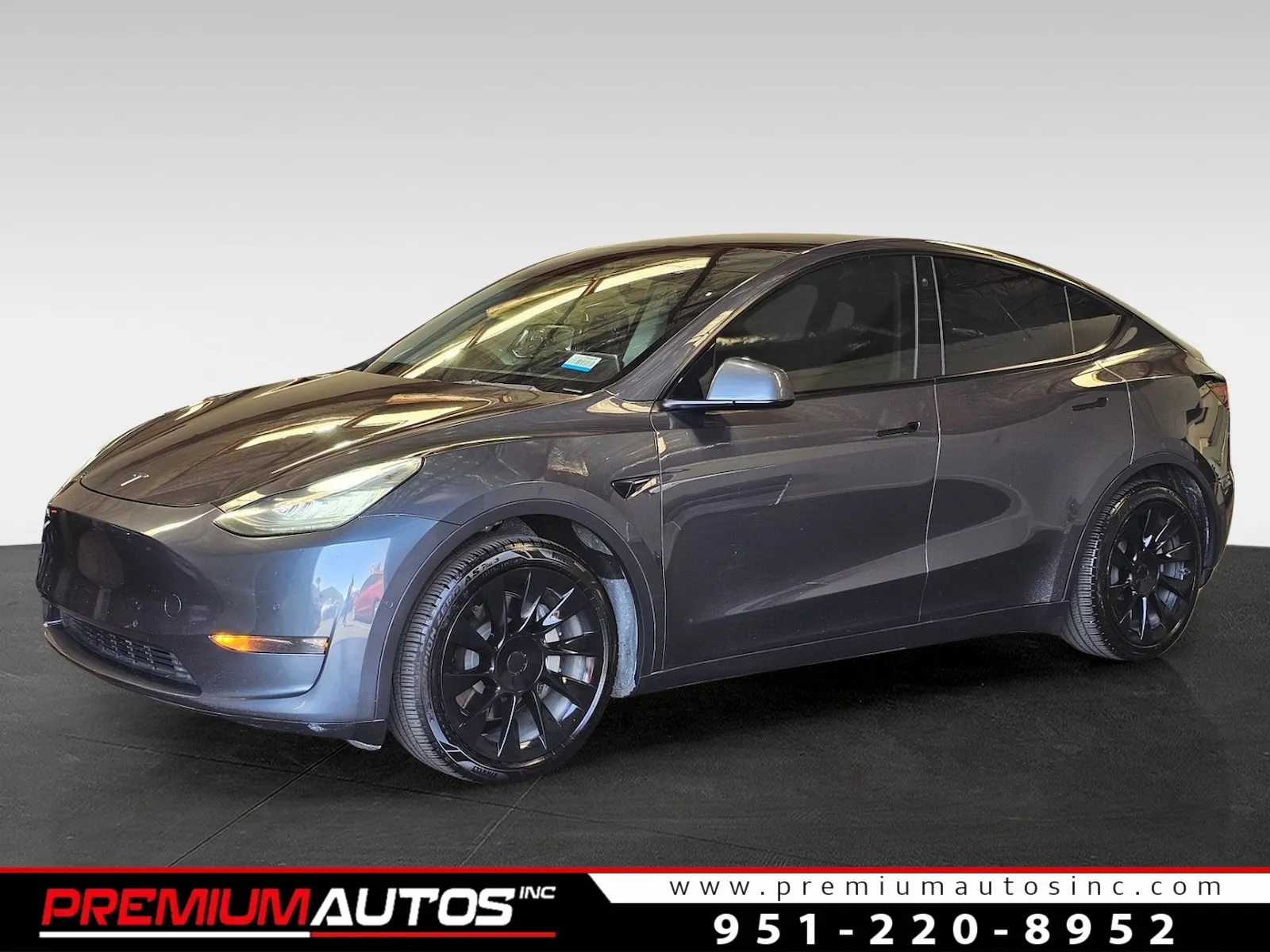
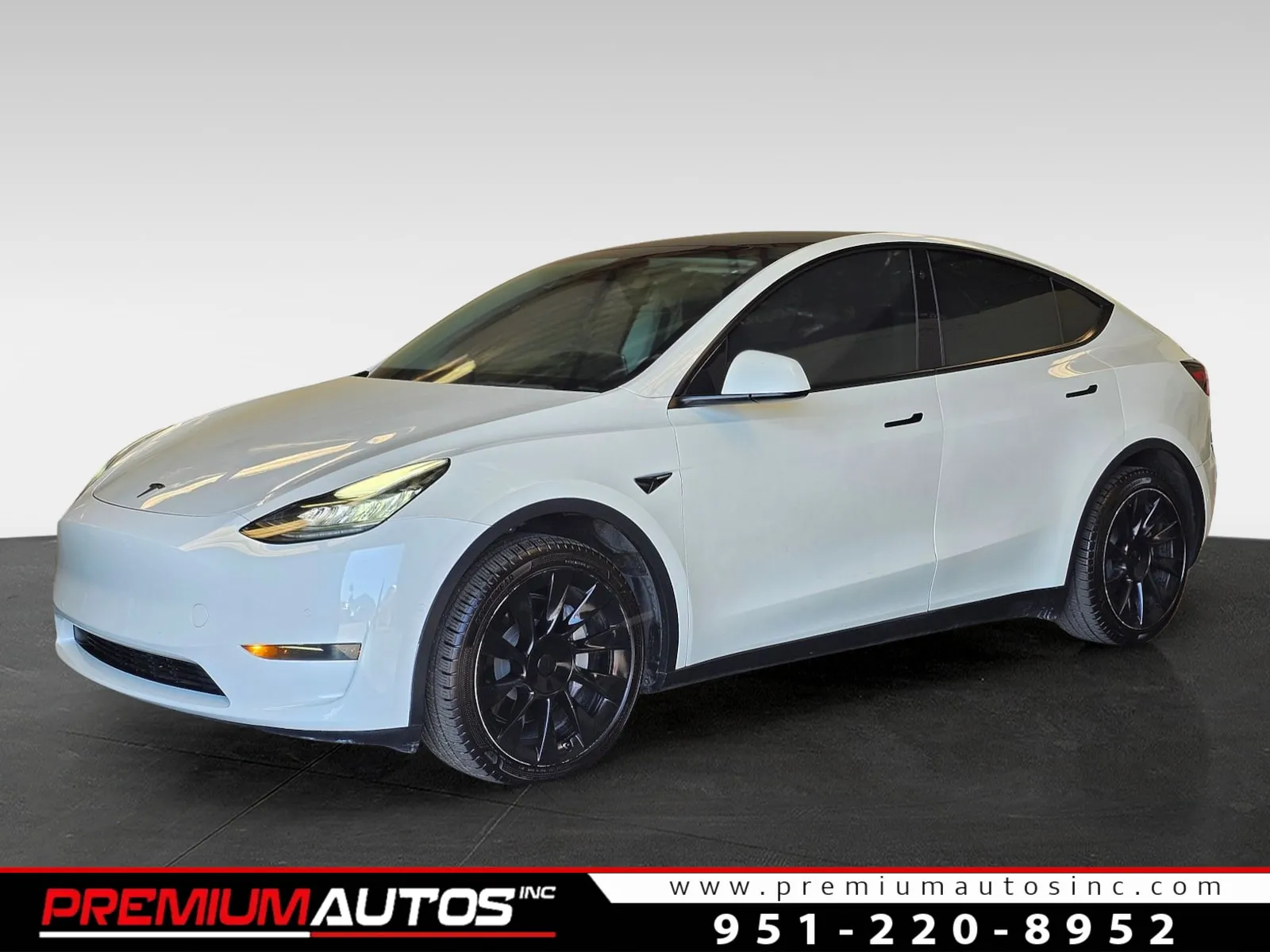
If you're ready to explore the world of electric vehicles, Premium Autos Inc offers a range of pre-owned EVs from trusted brands like Tesla and BMW. Check out their inventory to find an EV that fits your lifestyle and budget, all backed by their rigorous inspection standards.
sbb-itb-66f4901
Performance and Efficiency Comparison
Let’s dive into how gas, hybrid, and electric vehicles stack up when it comes to performance and efficiency. These differences aren’t just technical - they directly shape your driving experience and ongoing costs. Key factors like acceleration, noise, energy efficiency, and range play a big role in what each vehicle type offers.
Acceleration and power delivery set these vehicles apart. Electric vehicles (EVs) deliver instant acceleration thanks to maximum torque at 0 RPM, making them feel incredibly responsive. Gas vehicles, on the other hand, build power gradually as the engine revs up. Hybrids strike a balance, offering moderate acceleration with a boost from their electric motors.
Noise levels also vary significantly. EVs are nearly silent, creating a calm driving experience. Gas-powered cars, however, come with noticeable engine noise, while hybrids stay quiet in electric mode but produce engine noise when the gas engine kicks in.
Energy efficiency is where the cost differences really stand out. EVs are the most economical, costing about $0.04 per mile to operate. Gas-powered cars average $0.15 per mile, and hybrids fall somewhere in between, ranging from $0.08 to $0.12 per mile. To put that into perspective, driving 12,000 miles a year would cost roughly $1,800 for a gas car but only $480 for an EV.
Driving conditions can influence which vehicle performs best. Gas cars excel on highways where steady speeds maximize their efficiency, but they’re less effective in stop-and-go traffic. EVs thrive in urban settings and heavy traffic, where regenerative braking captures energy that would otherwise be wasted. Hybrids are versatile, adapting to both city and highway conditions by switching between gas and electric power.
Range is another major factor to consider. Gas-powered and hybrid vehicles typically offer 300–500+ miles per tank, while EVs provide 100–400 miles per charge. For most drivers, this is plenty, as the average daily commute in the U.S. is just 31.8 miles round trip. However, EV owners may need to plan ahead for longer road trips.
Comparison Table
Here’s a quick breakdown of how gas, hybrid, and electric vehicles compare across key performance and efficiency metrics:
| Feature | Gas-Powered Cars | Hybrid Vehicles | Electric Vehicles |
|---|---|---|---|
| Power Source | Gasoline/Diesel Engine | Gasoline + Electric Motor | Fully Electric Battery |
| Acceleration Feel | Gradual buildup | Moderate with electric assist | Instant acceleration |
| Noise Level | High (engine noise) | Moderate | Very quiet |
| City Driving Efficiency | Moderate | Good | Excellent |
| Highway Efficiency | Excellent | Good | Moderate |
| Range | 300-500+ miles | 300-500+ miles | 100-400 miles |
| Refueling/Charging Time | 5 minutes | 5 minutes (gas) | 20 minutes-12 hours |
| Tailpipe Emissions | Yes | Yes (reduced) | Zero |
| One-Pedal Driving | No | No | Yes |
| Regenerative Braking | No | Yes (limited) | Yes (full) |
| Operating Cost per Mile | $0.15 | $0.08-$0.12 | $0.04 |
Real-world factors can affect performance and efficiency for all vehicle types. Things like driving uphill, towing, low tire pressure, aggressive acceleration, and extreme weather conditions can reduce efficiency and range. EVs are particularly sensitive to cold weather since heating and cooling systems draw directly from the battery. Gas cars, by contrast, benefit from nearly “free” cabin heating thanks to engine waste heat.
Weight and handling also differ. EVs, with their heavy battery packs, tend to weigh more, but their low center of gravity improves cornering and road grip. Gas cars are lighter overall, while hybrids fall in between, carrying the extra weight of both an engine and electric components. This added weight can slightly affect handling and acceleration compared to gas-only models.
For a standardized comparison of efficiency across all vehicle types, the EPA uses MPGe (miles per gallon equivalent). This metric helps drivers see how far a vehicle can travel using the same amount of energy, no matter if it’s powered by gasoline, electricity, or both.
Cost of Ownership: Long-Term Expenses
When considering a vehicle, it's important to look beyond the sticker price. The total cost of ownership includes not just the purchase price but also ongoing expenses like fuel, maintenance, and insurance.
Purchase Price and Running Costs
Gas-powered cars usually have the lowest upfront cost. Hybrids sit in the middle, while electric vehicles (EVs) often come with a higher price tag due to their advanced battery systems.
But the used car market can change the equation. For instance, in November 2025, Premium Autos Inc listed a 2023 Tesla Model 3 Base with 28,675 miles for $20,900. This shows that pre-owned EVs can sometimes match or even undercut the cost of new gas or hybrid vehicles, making them a more accessible option for budget-conscious buyers.
Day-to-day operating costs also vary. Electricity tends to cost much less per mile than gasoline, which can lead to noticeable savings for EV owners. Hybrids, thanks to their fuel-efficient designs and regenerative braking, offer a middle ground, making them a smart choice for drivers who rack up a lot of miles. These lower energy costs can help offset the higher initial investment in an EV.
Plug-in hybrid electric vehicles (PHEVs) provide a balance between the two. They feature larger batteries than standard hybrids, allowing for electric-only driving on shorter trips, while still offering the convenience of a gas engine for longer journeys. This dual capability can ease concerns about range while keeping costs manageable.
Another factor to consider is resale value. EVs and hybrids often hold their value better than gas-powered cars, which can help offset their higher purchase prices over time.
Beyond fuel and purchase costs, maintenance is another key piece of the puzzle.
Maintenance and Repairs
Gas and hybrid vehicles require regular engine maintenance, such as oil changes and spark plug replacements. Hybrids also have electric components that need occasional attention. EVs, on the other hand, have simpler drivetrains with fewer moving parts, which typically means fewer routine maintenance needs. No oil changes, no transmission fluid replacements - just fewer reasons to visit the mechanic.
That said, when EVs do need repairs, they can be more expensive. Parts are often pricier, and specialized labor may be required. In contrast, gas and hybrid vehicles benefit from a more widespread repair network, which can keep costs down. While EV and hybrid batteries are built to last - usually covered by warranties of around eight years or 100,000 miles - replacing a battery outside of warranty can be a major expense.
Insurance is another factor to weigh, as premiums can vary significantly depending on the type of vehicle. It’s a good idea to get quotes for specific models you're considering.
And don’t forget about incentives, which can make EV ownership even more appealing.
Tax Credits and Rebates
Federal and state programs can lower the effective cost of EVs through tax credits, reduced registration fees, and perks like carpool lane access. These incentives can vary based on legislation and budgets, so it’s worth checking the latest details before making a decision.
When you add it all up - purchase price (after incentives), fuel or electricity costs, maintenance, and insurance - EVs and hybrids can become highly competitive with traditional gas vehicles, especially for drivers who cover a lot of miles annually.
Premium Autos Inc helps customers understand the full cost of ownership with trade-in evaluations and financing options. Their inventory includes a range of pre-owned vehicles - everything from cars and trucks to SUVs and EVs from brands like Tesla, BMW, and Toyota - making it easier to compare options and find the best fit for your budget and lifestyle.
Refueling vs. Charging: Infrastructure and Practicality
How you refuel or recharge your vehicle can have a big impact on your daily routine and travel plans. Gas stations have been a cornerstone of the U.S. transportation system for over a century, while EV charging networks are still catching up.
Gas Stations and Charging Networks
Gas stations are everywhere. Whether you're in a bustling city or a quiet rural area, finding one is usually no problem, and refueling typically takes just 3–5 minutes.
On the other hand, EV charging networks are still growing. There are three main types of chargers available:
- Level 1: Uses standard outlets, taking 24–48 hours for a full charge.
- Level 2: Requires a 240V outlet, completing a full charge in 4–10 hours.
- DC Fast Chargers: Can charge up to 80% in 20–30 minutes.
While the charging network is expanding, it’s still not as widespread as gas stations, especially in rural areas. To make charging more convenient, many EV owners install home charging stations. However, this isn’t always an option for apartment dwellers or those without private parking.
Hybrids simplify things by combining a gas engine with regenerative braking, eliminating the need for external charging. Plug-in hybrids (PHEVs) add even more flexibility - they can be charged at home for short trips, while the gas engine handles longer journeys.
These infrastructure differences naturally raise questions about range and trip planning, particularly for electric vehicle owners.
Range Anxiety and Long-Distance Travel
The availability of refueling or charging options doesn’t just affect convenience - it also shapes how people plan long-distance trips. Most EVs offer a range of 200–300 miles per charge, which is about half the distance a gas-powered car can travel on a full tank.
For everyday driving, this usually isn’t a problem. The average American round-trip commute is just 31.8 miles, making most EVs and PHEVs more than capable of handling daily needs without requiring a stop at a charging station. However, for road trips or other long-distance travel, gas and hybrid vehicles provide more flexibility. Refueling takes only a few minutes, whereas EVs require careful planning to account for charging station locations and charging times.
Weather can also play a role. Cold temperatures affect EV battery performance, reducing range and increasing charging times. Gas vehicles, on the other hand, use engine heat to warm the cabin, while EVs must draw power from the battery, further reducing range during winter.
PHEVs offer a middle ground by switching to the gas engine when the battery runs out. With electric-only ranges between 14–65 miles, they’re great for daily commutes but still provide the reliability of a gas engine for longer trips. For those who primarily drive locally, fully electric vehicles can be a cost-effective choice, with operating costs as low as $0.04 per mile, compared to about $0.15 per mile for gas-powered cars.
Understanding the differences in refueling and charging options is key to finding the vehicle that matches your lifestyle and driving habits.
Premium Autos Inc offers a wide selection of gas, hybrid, and electric vehicles from top brands like Tesla, BMW, and Toyota. Their team is ready to help you figure out which powertrain fits your needs best.
Conclusion: Choosing the Right Vehicle
No single vehicle fits every driver perfectly - it all comes down to how you use your car, your budget, and what matters most to you. Taking a closer look at your daily habits and priorities can make the decision a lot easier.
For instance, if your daily commute is less than 32 miles round trip, an electric vehicle (EV) or a plug-in hybrid could save you a lot of money, costing about $0.04 per mile compared to $0.15 per mile for gas-powered cars. On the other hand, if you’re someone who loves long road trips or lives in an area where charging stations are sparse, a gas-powered or hybrid vehicle might better suit your needs. These factors - costs, range, and infrastructure - play a big role in determining the best powertrain for you.
Gas-Powered Cars
Gas-powered vehicles are often the most straightforward and affordable option upfront. They’re ideal if you’re looking for a lower purchase price, a traditional driving experience, and the convenience of quick refueling. With gas stations readily available just about everywhere and refueling taking only minutes, these cars are a practical choice for many.
Hybrid Vehicles
Hybrids strike a balance between efficiency and convenience. They can double the fuel efficiency of gas-only cars while eliminating the worry of running out of power on longer trips. For drivers who want to reduce their environmental impact without adjusting their refueling habits or hunting for charging stations, hybrids are a solid option.
Electric Vehicles
EVs stand out for their low operating costs and zero tailpipe emissions. If you have a predictable daily routine and care about minimizing your carbon footprint, EVs can be a compelling choice. Plus, their instant torque offers a unique driving experience that many find exciting.
Cost and Value Considerations
While EVs and hybrids often come with higher upfront costs, they tend to hold their value better over time. Don’t forget to factor in potential tax credits and rebates, which can significantly offset the initial expense. When comparing total ownership costs, it's important to look beyond the sticker price.
Premium Autos Inc makes it easy to explore your options with a wide inventory of pre-owned vehicles, including brands like Tesla, BMW, and Toyota. With over 400 vehicles available at their Norco and El Monte locations, you can compare different powertrains within your budget. They also offer trade-in evaluations and flexible financing options, making the process even more accessible. A test drive is a great way to feel the difference between an EV’s instant acceleration, a hybrid’s seamless efficiency, and the familiar responsiveness of a gas engine.
Ultimately, the best choice comes down to your actual driving habits. Many people overestimate how often they take long road trips and underestimate the predictability of their daily routines. By combining what you’ve learned about performance, efficiency, and infrastructure, and by test driving your options, you’ll be well-equipped to choose the vehicle that fits your life perfectly.
FAQs
What are the long-term cost advantages of driving an electric vehicle compared to gas or hybrid cars?
Electric vehicles (EVs) come with several long-term financial perks that make them stand out from gas-powered or hybrid cars. A big chunk of the savings comes from lower fuel costs - electricity tends to cost less than gasoline. On top of that, EVs are simpler machines with fewer moving parts, which means maintenance is less of a headache. Think about it: no oil changes, fewer brake replacements, and less wear and tear overall.
To sweeten the deal, many states offer financial incentives like tax credits or rebates to help offset the higher upfront cost of an EV. And if you live in an area with emissions-related fees, EVs can help you dodge those extra charges thanks to their cleaner operation. While the initial price tag might seem steep, the combination of reduced running costs and available incentives makes EVs a smart and cost-conscious choice for many drivers.
How does driving a gas, hybrid, or electric car feel different, especially when it comes to acceleration and handling?
Electric cars offer instant torque, giving them quick and seamless acceleration. Thanks to the battery's weight, typically placed low in the vehicle, they often feel stable on the road, though their handling may differ from what you're used to. Hybrids, on the other hand, mix electric and gasoline power, delivering varied performance based on their design. Some hybrids are tuned for fuel efficiency, while others lean toward delivering a punchier, performance-driven ride. Gas-powered cars, meanwhile, draw their driving character from factors like engine size, transmission type, and overall design, creating experiences that range from sporty and dynamic to more conventional.
What should I consider when choosing between a hybrid and an all-electric vehicle, especially regarding charging options and driving range?
When weighing the decision between a hybrid and a fully electric vehicle, two major considerations are charging infrastructure and driving range.
Hybrids have the upper hand when it comes to charging convenience. Since they can switch to gas when the battery runs low, there’s no urgent need to find a charging station. On the other hand, fully electric vehicles depend entirely on reliable access to charging points - whether at home, work, or on the road. This makes the availability of charging infrastructure a crucial factor for electric car owners.
Driving range is another key factor. Hybrids offer more flexibility with their dual power sources, allowing for longer trips without worrying about running out of power. Electric vehicles, however, are limited by the capacity of their batteries. For those who often embark on long journeys, a hybrid might be the better choice - unless you’re confident in having access to fast-charging stations along your route.
Ultimately, the right choice depends on your driving patterns, access to charging facilities, and how comfortable you are with planning around range limitations.