Touchscreen vs. Knob Controls: A Used-Car Buying Checklist
Start with the functions you use every day
When comparing used cars, look beyond the size of the display. Find the temperature, fan, defrost and audio controls, then consider how clearly they are labeled and how easily you can understand them. A touchscreen can place many functions in one interface. A dedicated knob gives a particular function its own physical control. Neither layout removes the need to keep your attention on driving.
Evaluate the exact vehicle you are considering. Equipment and software can differ between model years and configurations, so a demonstration in another car is not a substitute.
A parked infotainment checklist
Ask for a walkthrough before your test drive. Keep the vehicle safely parked while exploring unfamiliar controls.
- Adjust the seat first. From your normal driving position, check whether labels and displays are readable without leaning forward.
- Find temperature, fan and defrost controls. Ask how to return to them from another menu.
- Try audio volume, mute and source selection. Note confusing labels or delayed responses rather than using an arbitrary number of taps as a pass/fail rule.
- Enter a sample navigation destination while parked. Check how to cancel or change the route before moving.
- Confirm compatibility with your phone on that specific vehicle. Do not assume every car offers the same apps or connection features.
- Ask for a demonstration of voice commands, if equipped. A voice interface is not permission to divide your attention while driving.
- Record questions to discuss after the drive. Do not test blind reaching, menu browsing or small touch targets on the road.
Keep the road test focused on driving
Set your route and preferred settings before moving. If you need to explore another function, stop somewhere safe first. NHTSA identifies interactions with entertainment and navigation systems as potential distractions. Physical controls can also distract when they draw attention away from the road.
Read NHTSA’s distracted-driving guidance.
Compare cars using the same checklist
For each vehicle, make a short note about display readability, menu clarity, phone compatibility and any functions you could not verify. This gives you a useful comparison based on the cars you actually inspected, rather than a blanket claim that one control type is always better.
For a Southern California commute, consider the features you expect to use, but evaluate them before setting off. Do not use freeway traffic as a place to learn an unfamiliar interface.
Build out your comparison with our used-car TPMS question sheet for tire-pressure warnings and our MPG and MPGe cost worksheet for estimating energy expenses.
Plan your visit to Premium Autos
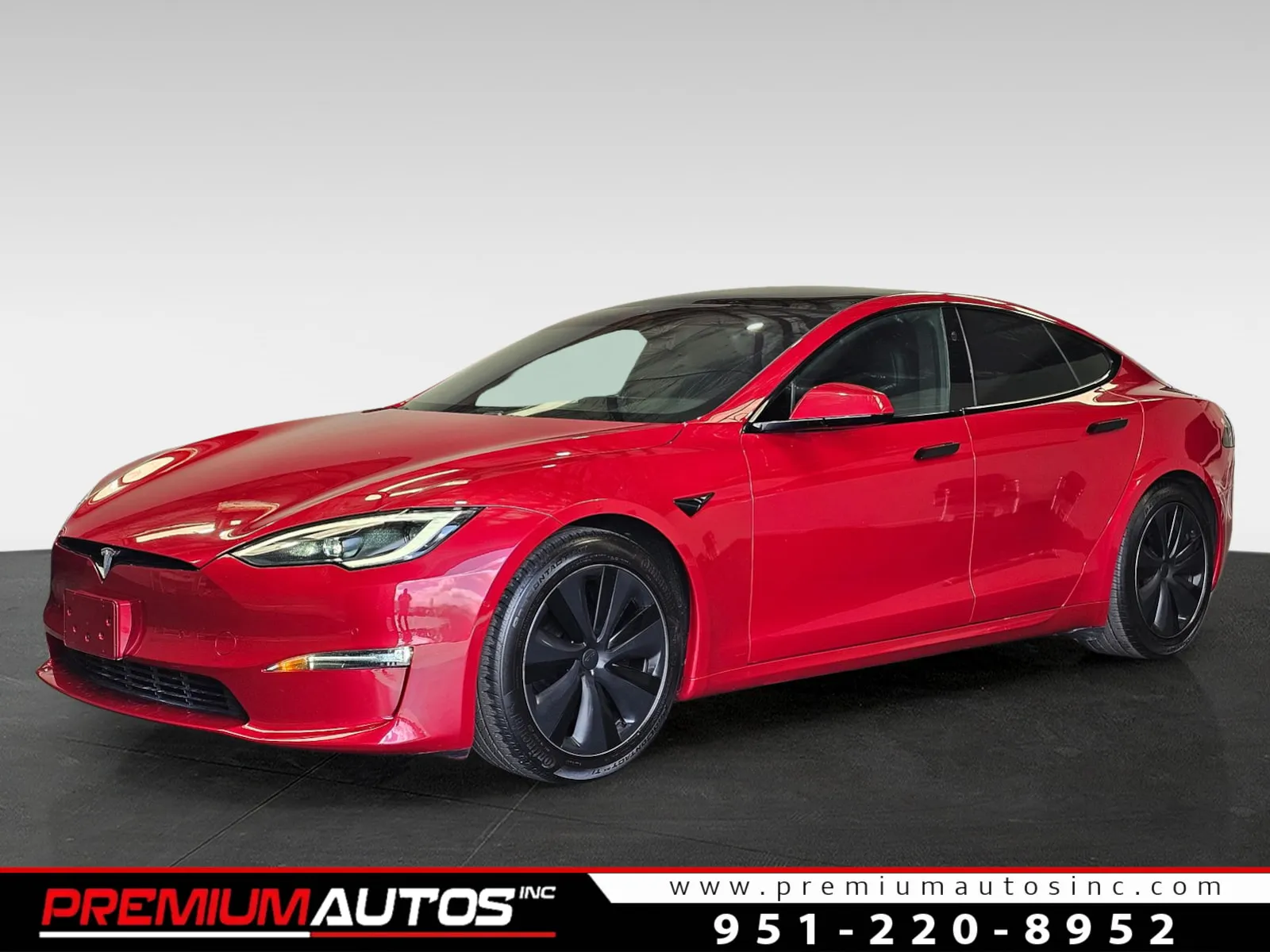
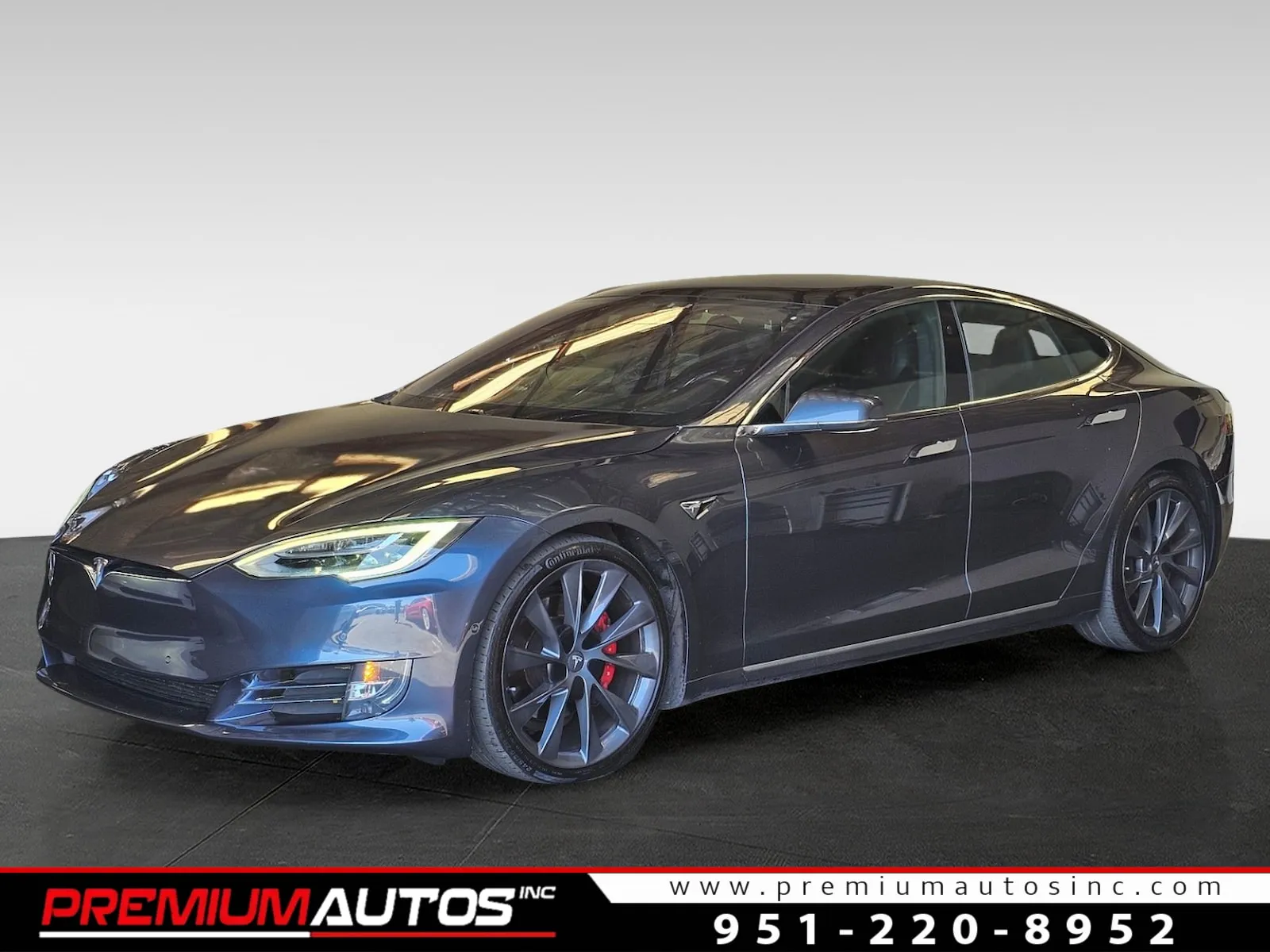
Browse current used Tesla inventory or all used vehicles. Contact Premium Autos to confirm the vehicle’s availability and whether it is at the Norco or South El Monte location before traveling. Ask to see the specific car’s infotainment functions during your visit.
Common questions
Are physical buttons distraction-free?
No. Any task that takes attention away from driving can be distracting. Learn the layout while parked, set up your drive beforehand and stop safely if you need to explore unfamiliar settings.
Should I test touchscreen controls while driving?
No. Complete this checklist while safely parked. Keep the road portion of your test drive focused on driving.
Does every vehicle support the same phone features?
Do not assume so. Verify the equipment and compatibility on the exact vehicle before purchase.