
Premium Autos blog
Tesla Model Y versus Model 3
By Premium Autos · · 7 min read
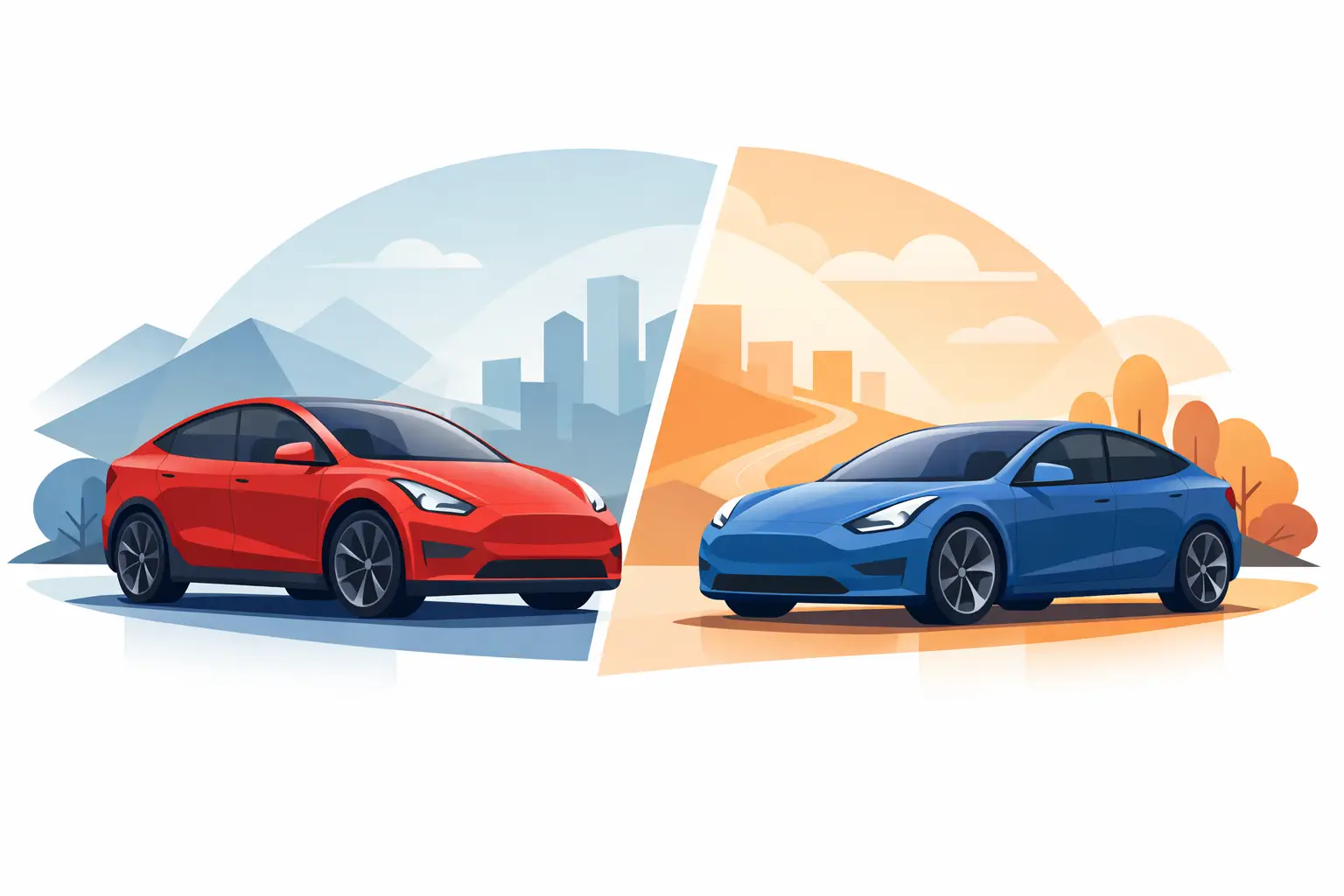
One test drive usually settles it. If you're comparing Tesla Model Y versus Model 3, you're probably not deciding between a good car and a bad one. You're deciding between two very good EVs that fit different lives. For some drivers, the lower, sharper feel of the Model 3 makes instant sense. For others, the Model Y's extra space, easier entry, and SUV practicality win in the first five minutes.
That difference matters even more in the used market, where value, condition, title status, battery range, and financing can matter just as much as the badge on the hood. If you want the right Tesla for your commute, family, budget, or weekend routine, here is the comparison that actually helps.
Tesla Model Y versus Model 3: The core difference
The simplest way to think about these two Teslas is this: the Model 3 is the sedan, and the Model Y is the crossover. They share a lot of Tesla DNA, including similar technology, strong charging access, minimalist interiors, and quick acceleration. But the ownership experience is not the same.
The Model 3 feels lower, lighter, and more connected to the road. It is usually the better fit for solo drivers, couples, and commuters who care about efficiency and price. The Model Y gives you more headroom, more cargo flexibility, and a more upright seating position. That makes it a stronger match for families, drivers who load up gear, or anyone who wants a Tesla that feels easier to live with every day.
If you already know you hate climbing down into a low car, the Model Y deserves your attention. If you want the most Tesla for the least money, the Model 3 often has the edge.
Price and used-market value
For many shoppers, this is where the decision starts.
In most used inventory, the Model 3 is more affordable than the Model Y. That lower entry price can mean a newer year, lower miles, or a higher trim for the same budget. If you're trying to get into Tesla ownership while keeping your payment under control, the Model 3 is often the smarter move on paper.
The Model Y usually costs more because demand stays strong. It attracts both EV shoppers and SUV shoppers, which helps support resale value. That does not mean it is overpriced. It means you are paying for usefulness as much as performance.
This is where buyers need to be realistic. A lower-priced Model 3 can be a great value, but only if the vehicle history, condition, and battery-related expectations line up. A more expensive Model Y can still be the better buy if it saves you from outgrowing the car in a year.
For Southern California drivers with long commutes or growing families, monthly payment is important, but so is choosing the vehicle you will still enjoy six months from now.
Space, comfort, and daily practicality
This is the category where the Model Y earns its reputation.
The Model Y gives you a more upright seating position, easier entry and exit, and noticeably better cargo versatility. Groceries, strollers, sports bags, luggage, and Costco runs are simply easier to manage in the Y. The rear hatch layout is more useful than the Model 3's traditional trunk, especially if you regularly carry bulky items.
Rear-seat passengers usually prefer the Model Y too. It feels airier, and the extra headroom helps adults and teens get comfortable faster. If you have child seats, the Model Y can make daily loading less awkward.
The Model 3 is not cramped, but it is tighter by comparison. It works well for commuters, couples, or smaller households. If most of your driving is solo and your cargo needs are basic, the Model 3 may give you all the room you actually need without paying for extra vehicle you will rarely use.
There is also a simple comfort factor that buyers should not ignore. Some people just prefer sitting higher. In heavy traffic, that crossover seating position can feel more natural and less tiring.
Range, efficiency, and charging
Tesla made both models strong in this area, but there are differences.
The Model 3 is generally more efficient. Because it is lower and lighter, it often delivers better range for the money. If your priority is maximizing miles and minimizing energy use, the Model 3 is hard to ignore. This is one reason it remains such a strong commuter car.
The Model Y still offers competitive range, but efficiency usually takes a small hit because of the larger body and added weight. For most drivers, that difference is manageable, especially with Tesla's charging network and home charging convenience. But if your commute is long, predictable, and mostly freeway-based, the Model 3's efficiency advantage can matter over time.
Used buyers should remember that trim level matters as much as model name. Long Range and Performance variants can shift the equation. Wheel size, tires, driving habits, weather, and battery age all affect real-world range. The smart move is to compare the specific vehicle in front of you, not just the brochure numbers you remember.
Driving feel and performance
If you enjoy driving, the Model 3 usually feels more athletic.
It sits lower, corners flatter, and feels more like a sports sedan than a family utility vehicle. Even standard versions feel quick compared with most gas cars on the road. For drivers coming out of compact sedans or entry luxury cars, the Model 3 often feels familiar in the best way, just much faster and quieter.
The Model Y is still quick. In many trims, it is seriously fast. But it drives like what it is: a taller Tesla built around versatility. It won't feel as low-slung as the 3, and some shoppers will notice that immediately.
That does not make the Model Y less enjoyable. It just means the fun shows up differently. The Y feels confident, planted, and easy. The 3 feels sharper. Your preference depends on whether you want your Tesla to behave more like a sporty sedan or a practical crossover with real punch.
Technology and interior experience
Inside, the differences are smaller than many buyers expect.
Both models deliver Tesla's minimalist layout, large center screen, over-the-air software updates, and the modern EV feel that draws people to the brand in the first place. If you are new to Tesla, either one will feel more tech-forward than many traditional used vehicles in the same price range.
The bigger distinction is cabin feel. The Model Y's added height creates a more open atmosphere, especially for passengers. The Model 3 feels lower and more cockpit-like. Some drivers love that. Others prefer the less enclosed feel of the Y.
Used shoppers should focus less on hype and more on condition. Check seat wear, screen responsiveness, tire condition, road noise, and how the cabin feels on an actual drive. The best Tesla on paper is not always the one that feels right once you're in it.
Which one fits your life better?
In a straight Tesla Model Y versus Model 3 decision, the right answer usually comes down to use case, not brand loyalty. You're already in the Tesla lane. Now it's about fit.
The Model 3 makes more sense if you want the lower purchase price, better efficiency, and a sportier daily driver. It is especially appealing for commuters, first-time Tesla buyers, and shoppers who want to stretch their budget toward a newer model year or better trim.
The Model Y makes more sense if you want flexibility. If you have kids, carry gear, prefer SUV seating, or just want one vehicle that can handle more situations without compromise, the Y is the easier recommendation.
There is also a financing angle here. If a used Model 3 keeps your payment, insurance, and overall monthly ownership cost in a more comfortable place, that matters. On the other hand, if the Model Y prevents a second round of shopping because it already fits your lifestyle, spending more upfront can be the smarter long-term choice.
What smart used Tesla buyers should watch for
When comparing these models, do not stop at year, trim, and mileage.
Look at title status first. Clean-title inventory matters because it helps protect resale value and gives buyers more confidence. Then look at tires, brakes, cosmetic condition, charging accessories, and software features. Ask how the car was used. A high-mile commuter Tesla may still be a great buy, but condition tells the real story.
This is also why working with a used EV dealer that knows Tesla matters. A general used-car lot may have one or two Teslas. A specialist can help you compare Model 3 and Model Y inventory based on how you actually drive, what you can finance comfortably, and what features are worth paying for.
For buyers across Southern California, that clarity can save time and money. Premium Autos Inc has built its reputation around exactly that kind of fast, transparent used Tesla shopping experience.
If you are stuck between the two, don't overcomplicate it. Buy the Model 3 if you want the sharper value play. Buy the Model Y if you want the easier all-around fit. The best Tesla is the one that works on Monday morning, not just the one that looked best on your phone screen.
Browse used Teslas for sale at our Norco and South El Monte stores.



