
Premium Autos blog
How to Finance a Car With Bad Credit
By Premium Autos · · 7 min read
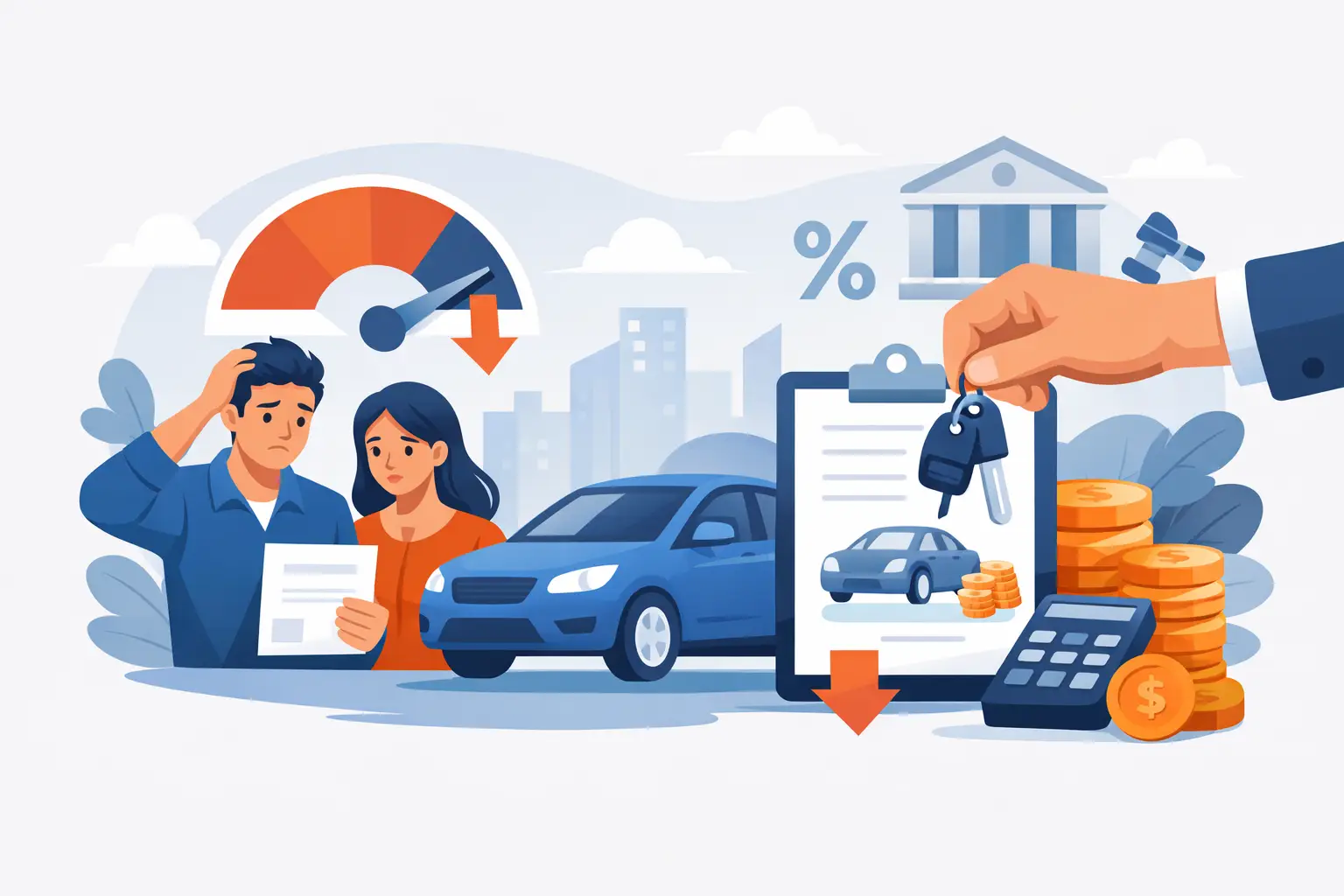
A lot of buyers assume bad credit means a flat no. That is usually not how car financing works. If you are wondering how finance car bad credit situations actually get approved, the real answer is simpler: the right vehicle, the right lender, the right documents, and the right expectations can make a big difference.
Auto financing is not the same as applying for a large personal loan or a mortgage. Lenders look at your credit, of course, but they also look at the car itself, your income, your current debt, your residence history, and whether the deal makes sense overall. That is why many shoppers with bruised credit, recent repossessions, limited credit history, or past late payments still get approved for a vehicle that fits their budget.
How to finance a car with bad credit
The first thing to know is that approval and affordability are not the same thing. Getting approved is one part of the process. Getting into a payment you can actually live with month after month is the part that matters more.
With bad credit, lenders are taking on more risk, so they usually protect themselves in a few ways. They may ask for more money down, offer a higher interest rate, limit the age or mileage of the vehicle, or require proof that your income is steady. None of that means the deal is bad by default. It means structure matters.
A stronger deal often starts with choosing the right car. Clean-title used vehicles in solid condition usually give lenders more confidence than older cars with very high miles or questionable history. If you are shopping for something in demand, like a used Tesla, mainstream SUV, or dependable commuter car, financing can still be very realistic if the numbers line up.
What lenders look at besides your credit score
Credit score gets the attention, but lenders do not stop there. They want to know whether you have the ability and stability to repay the loan.
Income is one of the biggest factors. If your income is consistent and documentable, that helps offset credit issues. Residence stability helps too. A buyer who has been at the same address and job for a while may look less risky than someone with frequent changes, even if both have similar scores.
Debt-to-income ratio also matters. A lender may be more comfortable approving a buyer with bad credit but manageable monthly obligations than someone with a slightly higher score who is already stretched thin. Down payment matters for the same reason. When you put money down, the lender finances less, which can improve approval odds and reduce the monthly payment.
Trade-ins can help as well, especially if they have positive equity. Even if you still owe money on your current vehicle, a dealership can often review whether a trade-in makes sense and how it affects the next loan.
Why the vehicle matters
Not every car is equally financeable. Lenders typically prefer vehicles with stronger market value, clean title status, and reasonable mileage for their age. That is one reason shoppers often have better luck when they stay flexible on trim, color, or optional features instead of focusing on one exact unit that may push the deal too far.
For example, a newer used EV or late-model SUV with strong resale value may finance better than a much older luxury vehicle that looks cheaper upfront but creates more lender risk. The monthly payment may still depend on rate and term, but the car itself can influence whether the deal gets done.
How finance car bad credit buyers should prepare before applying
The smartest move is to get organized before you shop hard. This saves time, avoids surprises, and helps you focus on vehicles that match real approval potential.
Start with your income documents. Most lenders will want recent pay stubs, bank statements, or proof of self-employment income. Be ready with your driver’s license, proof of residence, and insurance information. If you have a down payment, know exactly how much is available. If a family member may co-sign, decide that early instead of scrambling later.
You should also set a realistic payment target before looking at inventory. Many buyers shop by vehicle price alone, then get frustrated when taxes, fees, lender terms, and insurance change the real monthly cost. A better approach is to work backward from a payment range that fits your budget without strain.
This is where prequalification helps. A soft-pull prequalification can give you a better sense of your options without the same pressure as a full application. It is not the final approval in every case, but it gives you a starting point and helps narrow the search.
Ways to improve your chances of approval
There is no magic trick, but a few moves can noticeably improve the deal.
A down payment is the clearest example. Even a modest amount can help. It lowers the amount financed, shows commitment to the purchase, and may improve the lender’s view of the file. If you can combine cash down with a trade-in, even better.
Choosing a vehicle within the lender’s comfort zone also matters. That usually means a clean-title vehicle with reasonable mileage and a price that lines up with your income. Stretching for the highest trim or biggest payment you might barely manage is where buyers often run into trouble.
A co-signer can help if their credit and income are strong, but that decision should be taken seriously. A co-signer is not just helping you get approved. They are legally responsible for the loan if you do not pay.
Timing matters too. If you have recently paid down a collection, caught up on late accounts, or reduced credit card balances, your application may look stronger than it did a few months earlier. Sometimes waiting a short time improves the outcome. Sometimes replacing an unreliable car immediately matters more. It depends on your situation.
Watch the full cost, not just the approval
Bad credit buyers sometimes focus so hard on hearing yes that they miss the bigger picture. A loan can be approved and still be wrong for your budget.
Look closely at the term length, interest rate, total amount financed, and payment. A longer term can lower the monthly payment, but it may raise the total cost over time. A lower-priced vehicle may save money overall even if the monthly payment difference seems small. If there are optional products in the contract, make sure you understand what they are and whether you want them.
This is also why working with a dealership that has multiple lender relationships matters. One lender may decline a file that another approves. One may ask for a large down payment while another offers a better structure. Access to options can make the difference between forcing a deal and building a smart one.
Bad credit does not mean you have to buy the wrong car
A common mistake is assuming bad credit means settling for a vehicle you do not trust. That can backfire fast. If the car is cheap because it has high miles, poor condition, or a problem history, low upfront cost can turn into expensive repairs and more financial stress.
A better move is to focus on value. That means a vehicle with a clean title, solid condition, realistic mileage, and pricing that fits your approval range. For many Southern California drivers, that could be an efficient sedan, a family SUV, a pickup for work, or even a used Tesla if the terms make sense. At Premium Autos Inc, that practical balance between selection, financing access, and clean-title inventory is exactly what many buyers are looking for.
If you are buying your first EV with challenged credit
EV shoppers with bad credit often have one extra concern: battery and technology. That is fair. The good news is that financing a used EV follows the same basic lending rules as financing any other used car. What changes is your need to understand charging, range, insurance, and how the model fits your commute.
If an EV reduces your fuel and maintenance costs, it may make more sense than a gas car with a similar payment. But if home or workplace charging is inconvenient, the lower operating cost may not feel as helpful day to day. That is why the best car is not just the one you get approved for. It is the one you can comfortably own.
The best next step if your credit is not perfect
Be honest about your budget, get your documents ready, and shop with a dealership that knows how to structure deals across different credit profiles. You do not need a perfect score to buy a reliable used vehicle. You need a realistic plan, a vehicle that supports the numbers, and a financing process that is fast, transparent, and built around real approval options.
The right deal should leave you with transportation you feel good about, not a payment you dread every month.



