How Battery Health Affects Used EV Range
How Battery Health Affects Used EV Range
Buying a used electric vehicle (EV)? Battery health is the most important factor to consider. Here's why:
- Battery degradation is inevitable: EV batteries lose about 1.8% of their capacity per year on average.
- Range impact: A battery with 80% health means 20% less range. For a 300-mile EV, that's 240 miles.
- Resale value: Buyers prefer batteries with over 80% health. Below 70%, resale value drops significantly.
- Key factors: Hot climates, frequent fast charging, and poor charging habits accelerate wear.
- Diagnostic tools: Use metrics like State of Health (SOH) and range comparisons to assess battery condition.
Quick tip: Stick to charging between 20–80% and avoid excessive fast charging to maintain battery life. Keep reading for detailed tips on evaluating and maintaining EV batteries.
How to Tell the Health of a Battery in a Used EV And Know If The Battery Is Good?
How Battery Degradation Reduces EV Range
Battery capacity loss directly impacts how far an electric vehicle (EV) can travel on a single charge. If you're considering buying a used EV, it's crucial to understand how battery degradation affects range. This knowledge helps you set realistic expectations about the vehicle's performance compared to its original manufacturer specifications.
The silver lining is that battery degradation tends to follow predictable patterns. While all batteries lose capacity over time, modern EVs are designed to maintain solid performance for many years. Understanding these patterns and learning to interpret battery metrics can help you make informed decisions.
What State of Health (SOH) Means for Battery Capacity
When evaluating a used EV, State of Health (SOH) is one of the most important metrics to consider. This percentage reflects the battery's current energy capacity compared to when it was brand new. For example, an SOH of 80% means the battery can only store and deliver 80% of the energy it could originally.
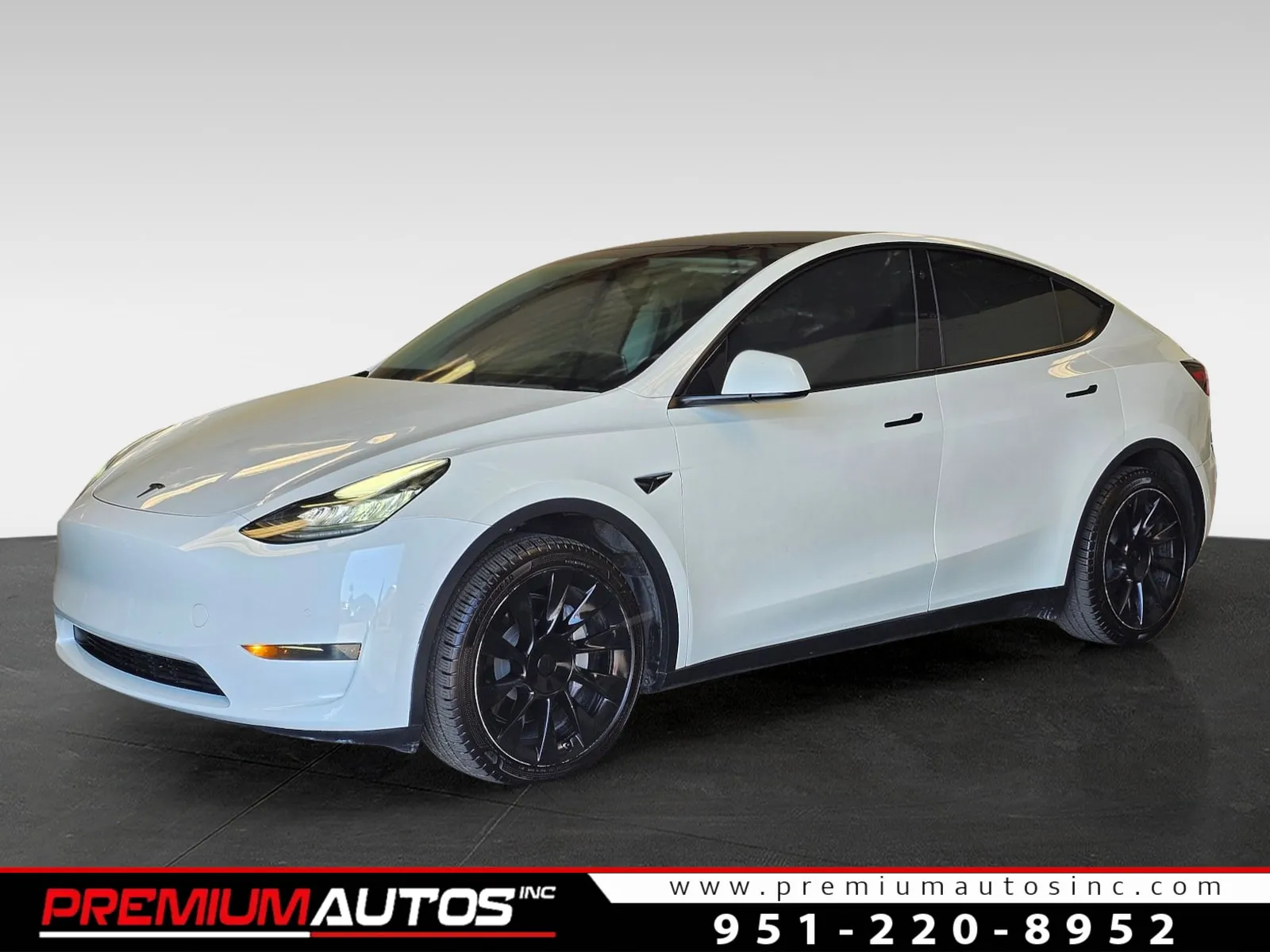
Let’s break it down: If an EV was initially rated for a 300-mile range on a full charge, and its SOH has dropped to 80%, the range would now be closer to 240 miles. Since capacity loss is proportional, a 10% reduction in SOH translates to roughly 10% less range. For instance, a Tesla Model Y originally rated for 330 miles, with 60,000 miles on the odometer and an SOH of 90%, would deliver about 297 miles of range.
To put this into perspective, consider an EV with an 80 kWh battery pack. At 100% SOH, the full 80 kWh is available for driving. At 80% SOH, only 64 kWh remains usable, which directly reduces how far you can travel before needing to recharge.
Most manufacturers provide warranties ensuring the battery will retain at least 70% SOH over 8 to 10 years or 100,000 miles. This means a car originally rated for 300 miles should still offer about 210 miles of range, even after significant use.
To estimate SOH in a used EV, compare the dashboard's displayed range at full charge to the original EPA rating. For example, if a vehicle rated for 300 miles now shows 255 miles at full charge, divide 255 by 300 to get 0.85, or 85% SOH. Keep in mind, however, that dashboard estimates can vary based on recent driving patterns. For a more accurate assessment, check multiple full-charge cycles or request a professional battery diagnostic report that evaluates performance under load.
Average Battery Degradation Rates Over Time
Understanding SOH is just the starting point. It’s also important to know how battery degradation progresses over time and mileage. On average, modern EVs lose about 1.8% of capacity per year under moderate driving conditions. However, this decline isn’t uniform - it follows a curve that’s steeper in the early stages and flattens out later.
The most noticeable capacity loss occurs within the first 20,000 miles, during which the battery typically loses 3% to 5% of its capacity. This initial drop happens due to the formation of a protective layer inside the battery, known as the Solid Electrolyte Interphase (SEI). While this may sound alarming, it’s a normal chemical process. After this phase, degradation slows significantly, with capacity dropping by only 1% to 3% annually.
Studies on popular EV models reveal consistent trends. By 25,000 miles, most batteries lose about 3% to 5% of their capacity. At 100,000 miles, they retain 85% to 90% of their original capacity. Even at 200,000 miles, many retain 85% to 88%, proving that modern EV batteries are built to last.
This pattern works in favor of used EV buyers. A vehicle with 20,000 to 30,000 miles has already gone through the steepest part of the degradation curve, retaining about 95% to 97% of its capacity. From this point on, the battery's decline slows, making it a reliable option for years to come. This also explains why low-mileage used EVs often depreciate quickly - their most significant degradation occurs early, reducing their perceived value.
For example, a used EV with 80,000 miles and an original EPA range of 350 miles might now offer 315 to 322 miles of range, assuming an SOH of 90% to 92%. Since most EVs are retired between 150,000 and 200,000 miles, battery degradation rarely becomes a practical issue during the vehicle's lifespan.
After 8 years or 100,000 miles - the typical warranty period - most EV batteries retain 85% to 90% of their original capacity. A car with an original range of 300 miles would still deliver 255 to 270 miles at this stage. These retention rates highlight that while battery degradation is inevitable, it seldom renders an EV unusable.
When assessing a used EV, consider its service history, climate conditions, and charging habits. Vehicles driven in extreme heat, such as in Arizona, tend to degrade faster than those used in cooler regions. Similarly, frequent fast charging can accelerate wear compared to regular Level 2 home charging. A car primarily charged at home is likely to have better battery health than one that relied heavily on fast charging, even if both have similar mileage.
What Causes Battery Degradation
When it comes to electric vehicle (EV) batteries, degradation is inevitable over time. However, certain factors can speed up this process. Knowing what causes battery wear can help you assess a used EV’s history and predict its future performance. The main culprits? Extreme temperatures, aggressive charging practices, and poor charging habits.
How Extreme Temperatures Affect Batteries
Heat is a major enemy of EV batteries. High temperatures trigger chemical reactions that wear down battery cells. For instance, an EV driven in Arizona will likely have a shorter battery lifespan than one driven in cooler climates.
In regions like Southern California, where summer temperatures often soar past 90°F, battery degradation rates can exceed the national average of 1.8% per year. Even with advanced thermal management systems in modern EVs, direct sunlight on a 100°F day can push battery temperatures beyond safe limits. On the flip side, extremely cold temperatures temporarily reduce battery efficiency and range but don’t cause the same long-term damage as heat.
If you’re considering a used EV, take note of where it was primarily driven. A car from a hot area like Phoenix or Palm Springs will likely show more battery wear than one from a cooler city such as San Francisco or Seattle, even if both vehicles have similar mileage.
Why DC Fast Charging Can Accelerate Wear
DC fast charging is great for quick energy top-ups during road trips, but it comes at a cost. This method forces ions to move rapidly, which stresses the battery’s electrodes and increases heat, both of which contribute to faster degradation.
Data shows a noticeable difference in battery health between EVs that frequently use DC fast chargers and those that rely mostly on slower Level 2 charging. Interestingly, there’s no significant difference in wear between Level 1 (standard 120-volt) and Level 2 (240-volt) charging. The main difference is time - Level 1 charging is slower but no more harmful than Level 2.
When evaluating a used EV, ask about its charging history. Vehicles primarily charged at home with slower methods often have healthier batteries compared to those heavily reliant on fast charging.
Charging Habits That Impact Battery Life
Everyday charging habits play a huge role in battery longevity. One of the worst practices? Regularly charging the battery to 100% or letting it drain completely to 0%. Keeping the charge level between 20% and 80% significantly reduces strain on the battery cells.
Charging to full or depleting the battery entirely puts unnecessary stress on the cells, leading to faster wear. While charging cycles are unavoidable, staying within the 20%-80% range can help extend the battery’s lifespan and keep degradation rates below the average 1.8% per year. Many modern EVs even include settings to limit charging to 80%, reserving a full charge for long trips when maximum range is essential.
When considering a used EV, think about the previous owner’s charging habits. A car used for short commutes and charged routinely to around 80% is likely to have a healthier battery than one often drained to near-zero before recharging. If the owner’s charging practices are unclear, a professional battery diagnostic report can provide insights into the battery’s current condition. This step is crucial for understanding the overall health of a used EV’s battery.
sbb-itb-66f4901
How to Check Battery Health Before Buying a Used EV
Before purchasing a used electric vehicle (EV), it's essential to assess the battery's condition to avoid unexpected costs and ensure the range meets your needs. Unlike traditional cars, where a quick look under the hood can reveal a lot, EV batteries require more technical evaluation. Here’s how you can check their health.
Ask for a Battery Diagnostic Report
A battery diagnostic report is your best tool for understanding the condition of an EV's battery. This report typically includes key details like the State of Health (SOH) percentage, remaining capacity in kilowatt-hours (kWh), degradation rate, completed charge cycles, and temperature history.
Most EV manufacturers guarantee their batteries to maintain at least 70% SOH for 8 to 10 years or up to 100,000 miles. When reviewing a diagnostic report, an SOH above 80% is a good sign that the battery has minimal wear and tear.
For example, data from Tesla indicates that after 200,000 miles, their batteries generally retain 85% to 88% of their original capacity. The report should also show whether the degradation has been gradual or if there are sudden drops, which could signal problems like overcharging or thermal stress.
Some dealerships, like Premium Autos Inc in California, include battery diagnostics as part of their pre-purchase inspections. When shopping, ask questions such as: What diagnostic tools are used? Is a written SOH report available? Have any battery issues been flagged?
The diagnostic process is quick, often taking less than 15 minutes. Once you have this information, you can further validate the battery’s condition with a simple range comparison.
Compare EPA Range to Current Dashboard Range
A quick range check can give you a rough idea of how much the battery has degraded. Start by finding the vehicle’s original EPA-estimated range - this is usually listed in the manufacturer’s specs or on the window sticker. Then, fully charge the EV and check the maximum range displayed on the dashboard.
For instance, if a Tesla Model 3 originally had an EPA range of 272 miles but now shows 245 miles after a full charge, that’s about a 10% reduction (27 miles ÷ 272 miles). Since EV batteries typically degrade at an average rate of around 1.8% per year under normal conditions, this level of degradation suggests about 5 to 6 years of typical use.
During a test drive, pay attention to how quickly the State of Charge (SOC) drops. Drive around 40 miles on flat terrain without using climate controls, and see if the projected range decreases by roughly the same amount. If it aligns, the battery is likely in good shape. However, if the range drops faster than expected, it could indicate potential issues.
Keep in mind that this method offers an estimate, as dashboard range calculations can vary depending on driving habits, weather, and the car’s battery management system.
Once you’ve checked the range, the next step is to verify the warranty details.
Check the Battery Warranty Status
A battery warranty not only provides financial protection but also gives insight into the expected lifespan of the battery. Most warranties guarantee at least 70% SOH for 8 years or 100,000 miles.
To confirm the warranty status, ask for the original purchase documents, which should include the warranty start date and mileage. Alternatively, you can contact the manufacturer with the vehicle’s VIN to verify how much coverage remains. For example, if the EV was purchased in 2019 and you’re evaluating it in 2025, the warranty would typically expire in 2027, leaving about 2 years of coverage.
Check for any past battery repairs or replacements, as these can affect both the warranty and the battery’s current condition. Additionally, verify whether the warranty transfers to new owners. Most manufacturer warranties do, but some certified pre-owned programs might include extra coverage that doesn’t transfer.
Finally, look into any open recalls related to the battery. Manufacturers occasionally issue recalls to address potential problems, and resolving these before purchase can save you future headaches.
The warranty status can play a big role in your decision, offering reassurance about the battery’s long-term reliability and your overall ownership experience.
How to Maintain Battery Health After Purchase
Once you've bought a used EV, taking care of the battery is key to maintaining its range and lifespan. While some wear and tear over time is unavoidable, adopting a few smart habits can help slow the process and maximize your EV's performance.
Follow Smarter Charging Practices
After evaluating your battery's condition, it's important to develop charging habits that protect its health. For everyday driving, aim to keep the State of Charge (SOC) between 20% and 80%. This range reduces stress on the battery cells, as charging to 100% or letting the charge drop to 0% puts more strain on the lithium ions inside the battery. Most modern EVs let you set a maximum charge limit in the settings, making it easy to stick to this range. Reserve full 100% charges for long trips when you really need the extra range.
Although DC fast charging is great for road trips, it shouldn't be your go-to charging method. Fast charging uses high electrical currents that generate heat, which can wear down the battery over time. Vehicles that rely heavily on DC fast charging often show quicker battery degradation. Instead, use Level 2 charging at home or work for your daily needs. It's gentler on the battery and typically more affordable per kilowatt-hour compared to fast charging. Save DC fast chargers for emergencies or occasional long drives to minimize unnecessary wear.
Protect the Battery from Extreme Temperatures
Hot weather is a major enemy of EV batteries, speeding up degradation. Heat accelerates internal chemical reactions, which can lead to faster battery wear. Whenever possible, park in shaded areas or climate-controlled spaces like garages. Even small steps, like choosing a shaded spot in a parking lot, can help preserve your battery's range over time.
In the summer, use your vehicle’s pre-cool feature before driving. This reduces the battery's temperature and minimizes thermal stress. Many EVs let you schedule pre-cooling through a mobile app, so your car is ready to go at an optimal temperature.
Cold weather, while less harmful than heat, can temporarily reduce range by as much as 32% in freezing conditions. The good news? This is a short-term effect and doesn’t permanently damage the battery. To counteract this, pre-heat your battery before winter drives.
By keeping your battery at a stable temperature and combining this with smart charging practices, you can extend its lifespan.
Use Built-In Battery Monitoring Tools
Modern EVs come equipped with diagnostic tools that provide real-time insights into battery health. These features, accessible via the dashboard or a mobile app, let you track metrics like current charge level, degradation rate, and remaining capacity. Regularly checking these stats helps you make better decisions about charging and driving.
If you notice your battery's degradation rate is higher than the average 1.8% per year, consider adjusting your habits - such as using fast charging less often or sticking more consistently to the 20-80% charge window. Being proactive allows you to catch potential issues early and tweak your routine to slow down wear.
Monitoring your battery’s capacity every few months also gives you a clear picture of how well your maintenance efforts are working. If you bought your used EV from a dealership like Premium Autos Inc, the initial battery diagnostic report they provided can serve as a baseline. By comparing new data to this starting point, you can spot unusual patterns and address them promptly.
Additionally, many manufacturers release software updates designed to improve battery management. These updates can fine-tune how the system handles temperature, charging rates, and cell balancing. Check your EV’s settings regularly or enable automatic updates to ensure your car is running the latest software.
Conclusion
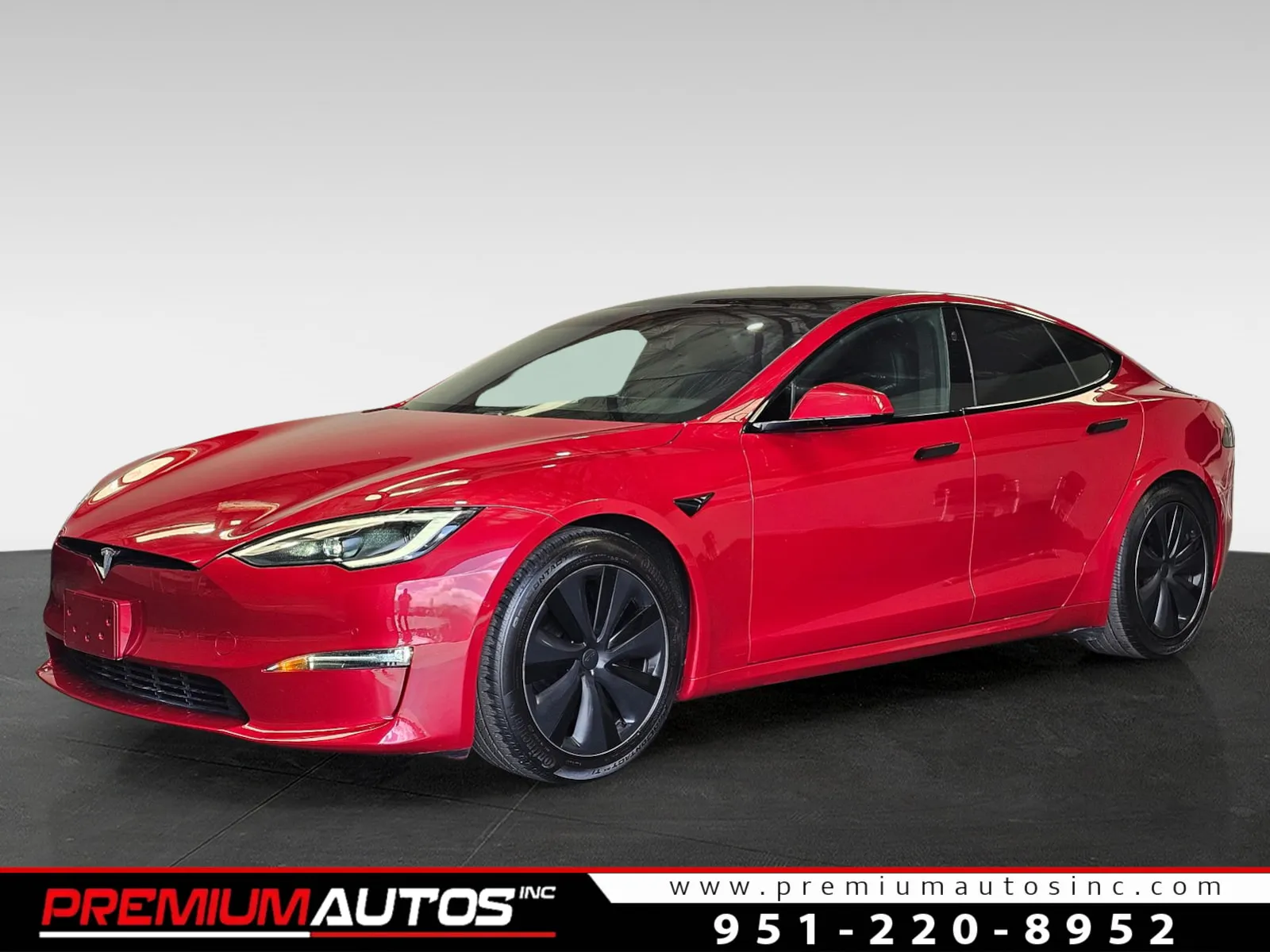
The health of an EV's battery plays a major role in its resale value and driving range. On average, data shows EV batteries degrade at a rate of about 1.8% per year under normal conditions. For example, Tesla Model 3 and Model Y batteries retain approximately 85% of their capacity after 200,000 miles, while the Model S and Model X fare slightly better, holding onto around 88%.
Before buying a used EV, it's crucial to get an independent battery diagnostic report. You can also compare the EPA's original range estimate with the vehicle's current dashboard projection to assess battery degradation. As a general rule, batteries with more than 80% capacity are in great shape, 70–80% is considered acceptable, and anything below 70% might indicate the need for a replacement. Don’t forget to check the remaining warranty coverage, which typically lasts 8–10 years or up to 100,000 miles. These steps will help you make an informed purchase and set you up for long-term success with your EV.
Once you own the vehicle, maintaining the battery is key to preserving its lifespan. Aim to keep the charge level between 20–80% for daily use, limit the use of DC fast charging, and shield the battery from extreme temperatures. While modern battery management systems are designed to handle tough conditions, these habits can go a long way in ensuring consistent performance.
At Premium Autos Inc, we take battery health seriously. Every used EV on our lot undergoes thorough inspections and diagnostics, so you can drive away with confidence.
FAQs
How can I check the battery health of a used electric vehicle before buying?
To check the battery health of a used EV, start by examining the State of Health (SOH). This metric shows how the battery's capacity compares to its original state when new. Many EVs provide this information via their onboard systems or companion apps, so be sure to ask the seller for access. For a more detailed analysis, request a comprehensive battery report from the manufacturer or a mechanic who specializes in EVs.
Pay attention to signs of battery wear, like a noticeable drop in range or irregular charging behavior. If you're buying from a dealership, such as Premium Autos Inc, ask for inspection reports or details about any warranties that include the battery. Knowing the battery's condition is key to understanding the EV's range and overall worth.
What should I check in a used EV’s history to evaluate its battery health and range?
When checking out a used electric vehicle (EV), paying attention to the battery's condition is a must. The battery's health has a direct impact on the EV's range and overall performance. To get a clear picture, take note of the vehicle’s age, how many miles it has on the odometer, and its charging habits. For instance, frequent use of fast chargers can speed up battery wear over time.
It’s also a good idea to request a battery health report. These reports, often available from manufacturers or dealerships, can provide details about how much capacity the battery has left. Another factor to keep in mind is the climate where the EV spent most of its life - extreme heat or cold can take a toll on battery performance over the years. At Premium Autos Inc, every pre-owned EV goes through a detailed inspection process, so you can shop with peace of mind.
How does the climate where a used EV was driven affect its battery health and range?
The environment where a used electric vehicle (EV) was driven has a big impact on its battery health and overall performance. Extreme temperatures - whether scorching hot or freezing cold - can take a toll on the battery. For instance, prolonged exposure to high heat can speed up battery capacity loss, while frigid climates can temporarily lower the range due to reduced efficiency in cold weather.
When evaluating a used EV, it’s smart to look into its history, especially the climate of its previous location. You should also check the vehicle’s battery health report or consult a professional for an inspection. These steps can give you a clearer picture of the EV’s current condition and help you make a well-informed choice. If you’re browsing for pre-owned EVs, Premium Autos Inc offers a selection of thoroughly inspected electric vehicles, ensuring reliability and top-notch performance.