
Premium Autos blog
When Was Electric Cars Invented? The Full History
By Premium Autos · · 7 min read
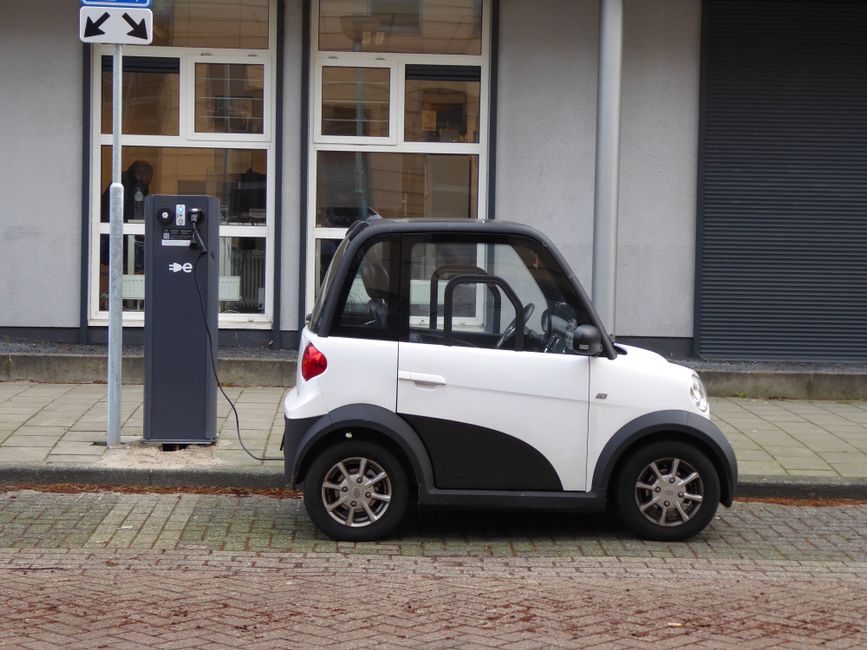
Electric cars were invented way earlier than you'd think. We're talking the 1800s, not the 2000s. The first crude electric vehicle rolled out in 1832, but it took decades before they actually became practical to drive. By the 1890s, electric cars were serious transportation in America. Sounds wild, right? But here's the thing: understanding where EVs came from helps you appreciate how far the technology has come, especially if you're shopping for a used electric vehicle today.
The Electric Motor Comes First (1827)
Before there could be electric cars, someone had to invent the electric motor. That someone was Ányos Jedlik, a Hungarian priest, who created the first electric motor in 1827. He didn't set out to revolutionize transportation, but his invention made it possible for other inventors to start dreaming about electric vehicles.
Jedlik's motor was the missing puzzle piece. Without it, electric cars would've stayed in the realm of fantasy.
The First Electric Vehicle (1832)
Just five years after the electric motor was invented, Robert Anderson, a Scottish inventor, built the first crude electric vehicle in 1832. It wasn't pretty. It wasn't fast. It barely worked. But it proved the concept was possible.
Anderson's creation was basically a carriage with an electric motor strapped to it. Think of it as a proof-of-concept more than a real car. Still, it planted the seed for everything that came next.
Electric Cars Become Practical (1870s-1880s)
The real game-changer happened in the 1870s and 1880s. That's when inventors across Europe and America figured out how to make electric vehicles that actually worked for everyday driving. Batteries got better. Motors got more reliable. Suddenly, electric cars weren't just curiosities anymore.
By the 1880s, English inventors were building operational electric vehicles that people could actually use. They were slower than gas cars, sure, but they were quiet, clean, and didn't require hand-cranking to start (unlike early combustion engines).
America's First Successful EV (1890s)
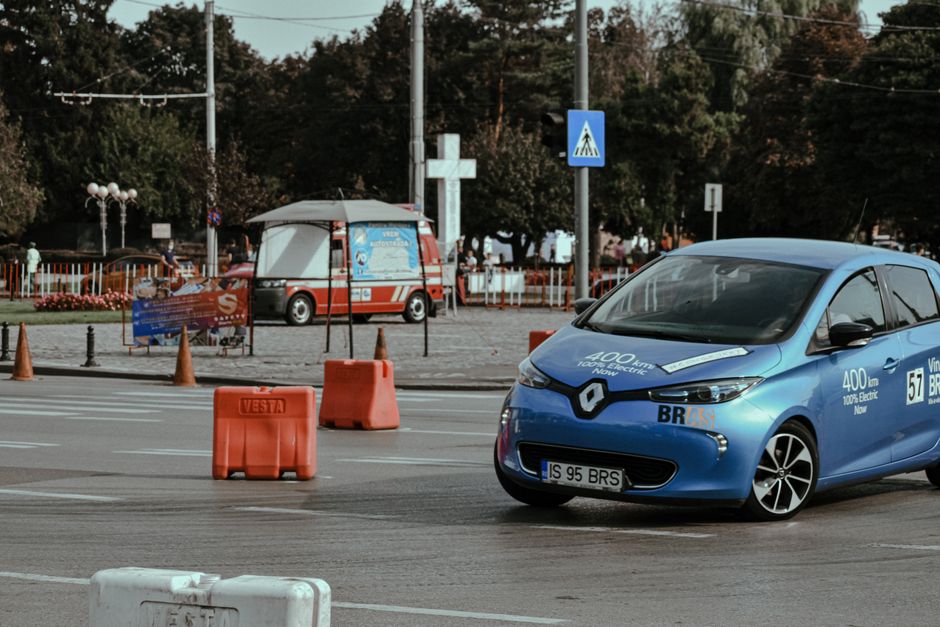
William Morrison from Des Moines, Iowa gets credit for creating the first successful electric vehicle in the United States, somewhere between 1889 and 1891. His electric car was a real breakthrough because it proved that Americans wanted EVs.
In fact, electric cars became super popular in the U.S. for a hot minute. By the early 1900s, there were more electric cars on the road than gas-powered ones. Yes, you read that right. Electric cars actually dominated the market before internal combustion engines took over.
Why? Because EVs were reliable, quiet, and didn't require the dangerous hand-crank start that gas cars needed. Women loved them because they were easier to operate. City dwellers loved them because they didn't produce smelly exhaust. Everything changed when Henry Ford invented the assembly line and made gas cars cheap, but that's another story.
The Revival: Modern Electric Vehicles
Fast forward to the 2000s and 2010s. The world started caring about climate change and fuel efficiency again. Tesla launched the Roadster in 2008, proving that electric cars could be fast, desirable, and practical. Suddenly, EV technology had evolved so much that electric cars weren't just eco-friendly toys anymore, they were genuinely better vehicles in many ways.
Battery technology improved dramatically. Electric motors became more powerful. Charging networks grew. And prices started coming down, which is huge for people like you who want to get into an EV without spending $60,000.
If you're thinking about buying a used electric vehicle, you're actually tapping into over 190 years of innovation. Pretty cool when you think about it that way. Premium Autos Inc specializes in used Teslas and EVs specifically because we believe this technology is the future, and it's affordable right now.
Why This History Matters for EV Buyers Today
Understanding when electric cars were invented and how they evolved gives you perspective on modern EVs. Here's what you need to know:
Related: How Do Electric Cars Work? Simple Guide for EV Buyers
Related: Used Electric Cars for Sale Near Me: Best Affordable EVs
- Battery technology is proven. EV batteries have been tested for over a century. Modern batteries last at least 10 years, so you won't be replacing one during your first decade of ownership.
- The technology keeps improving. Just like how the jump from 1832 to 1890s was massive, the jump from 2010s to 2026 is equally dramatic. Used EVs today are far more reliable than early modern EVs.
- Electric cars are legitimate transportation. They're not experimental anymore. They're the natural evolution of what started in 1832.
Most automakers have announced comprehensive battery coverage plans, which means you're protected. When you're shopping for a used EV, battery concerns shouldn't be your top worry anymore.
Finding Your First (or Next) Electric Vehicle
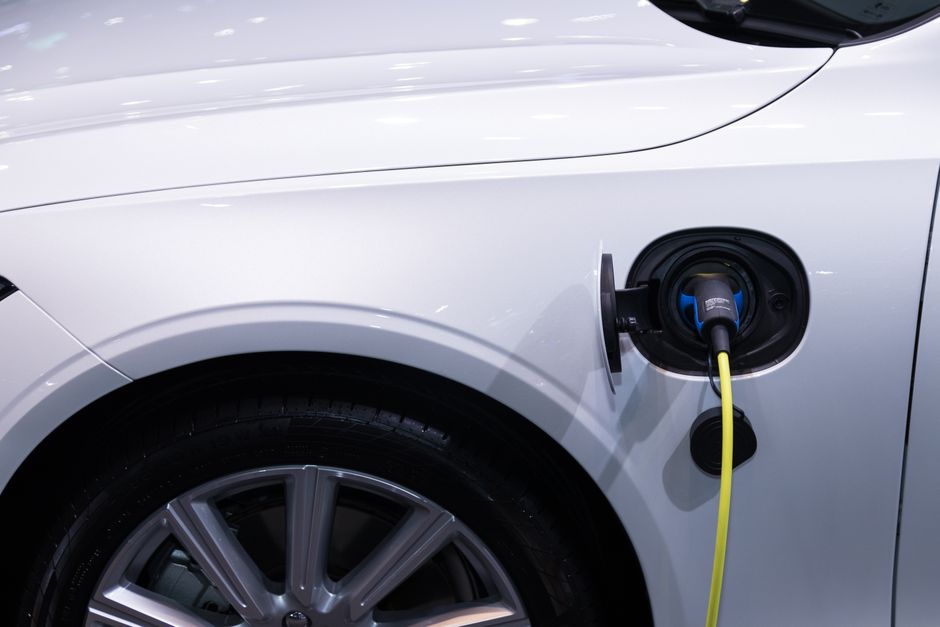
Now that you know electric cars have been around longer than you probably thought, you might be ready to buy one. The good news? Used electric vehicles are more affordable than ever, especially in Southern California where Premium Autos Inc carries California's largest Tesla inventory with many models priced under $25,000.
Related: Used Electric Cars Under $25,000 in Southern California
Whether you're a first-time EV buyer or you're upgrading from your current vehicle, used Teslas and electric cars offer incredible value. The technology is proven. The cars are reliable. And they're way cheaper than buying new.
If you're curious about getting into an EV but worried about financing, Pre Qualify with Premium Autos Inc and Capital One to see what you can afford. Financing options are available for all credit situations, on approved credit, because we believe everyone should have access to clean, efficient transportation.
The Bottom Line on Electric Car Invention
Electric cars were invented in 1832, became practical in the 1870s-1880s, and dominated the American market in the early 1900s. Then they disappeared for nearly a century. Now they're back and better than ever.
You're living in a time when EV technology is finally reaching its potential. Battery costs have dropped. Performance has exploded. And used models are genuinely affordable. If you're ready to explore electric vehicle ownership, check out what Premium Autos Inc has available in your area. Our transparent, hassle-free buying experience means you can focus on finding the right EV for your life, not stressing about the sales process.
People Also Ask About Electric Car History
Were electric cars popular in the early 1900s?
Yes, absolutely. Electric cars outsold gas-powered vehicles in the early 1900s because they were quieter, more reliable, and easier to operate. Women especially preferred them because they didn't require dangerous hand-crank starts. The trend reversed after Henry Ford's assembly line made gas cars cheap and widely available. For more historical context on EV adoption, check out the U.S. Department of Energy's electric vehicle history timeline.
How long do EV batteries last?
Modern EV batteries last at least 10 years, and most go longer. You shouldn't expect a battery replacement during your first decade of ownership. Most automakers now offer comprehensive battery warranty coverage, which gives you peace of mind when buying a used electric vehicle.
Is it safe to buy a used electric vehicle?
Completely safe. Used EVs have proven technology and established track records. As long as you buy from a reputable dealer with a solid multi-point inspection process, you're getting a reliable vehicle. Premium Autos Inc inspects every used EV we sell to ensure quality and peace of mind.
Why did electric cars disappear if they were so popular?
Gas cars became cheaper and had longer driving ranges once refueling infrastructure improved. The discovery of cheap oil and Henry Ford's assembly line manufacturing made combustion engines the dominant technology for nearly 100 years. Now that battery technology has caught up, electric cars are making a comeback for real.



