
Premium Autos blog
Used Tesla Pros and Cons: Honest Buyer's Guide 2026
By Premium Autos · · 14 min read
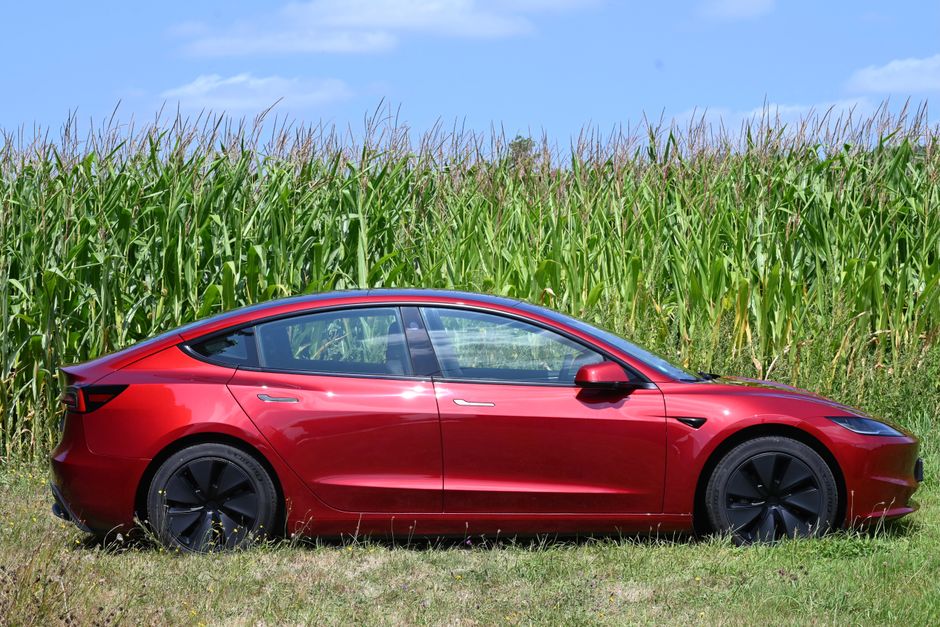
Buying a used Tesla can feel like a smart move—you get luxury electric performance at a fraction of the new-car price. But like any car purchase, there are serious pros and cons to weigh before you commit. Let's break down what you need to know about used Teslas so you can make the right choice for your situation.
The Real Pros of Buying a Used Tesla
Here's the thing: used Teslas offer some genuinely compelling advantages that gasoline cars just can't match.
Related: How to Buy Used Tesla Affordable: 2026 Buyer's Guide
Related: Used Tesla Under $25,000 in California: Complete Buyer's Guide
Related: Used Tesla With Warranty Near Me: Your Complete Buyer's Guide
Related: Used Tesla Under $30,000: Complete 2026 Buyer's Guide
Related: Should I Buy a Used Tesla in 2026? The Complete Buyer's Guide
Related: Tesla Under $25,000 in 2026: Market Data & Buyer's Guide
Lower Cost, Same Innovation
The biggest win? Price. Used Teslas in Southern California are sitting in the sweet spot right now, with many models available well under $25,000. You're getting cutting-edge electric technology—autopilot features, over-the-air software updates, a minimalist interior—without the new-car premium. If you're comparing a used Tesla Model 3 to a new one after factoring in available rebates, the pricing is actually competitive.
Battery Reliability Is Better Than You Think
Most people worry about battery degradation. Fair concern, but here's the reality: Tesla batteries are designed to last. The manufacturer covers battery replacement if capacity drops below 70% during the warranty period. Plus, electric vehicles avoid the heat-cycle damage on mechanical components that hammers traditional engines over time. That means fewer moving parts breaking down, fewer oil changes, and less wear and tear overall.
Lower Operating Costs
Electricity is way cheaper than gas in California. You're looking at pennies per mile versus dollars in a gas car. Maintenance? Minimal. No oil changes, spark plugs, transmission fluid, or timing belts. Regenerative braking means your brake pads last significantly longer. Premium Autos Inc customers frequently tell us they're shocked at how little they spend on maintenance after switching from gas.
Performance That Feels Effortless
Electric motors deliver instant torque. Even a used Model 3 accelerates like it's got a grudge. There's no gear shift lag, no engine warm-up time. If you've never driven electric, the smoothness is addictive. Couple that with a low center of gravity from floor-mounted batteries, and used Teslas feel nimble and responsive on Southern California roads.
Access to EV Infrastructure in Your Region
California has the most robust charging network in the country. Tesla Superchargers are everywhere, and public Level 2 chargers are abundant. If you live or work where you can charge at home or regularly use public stations, a used Tesla removes the range anxiety equation entirely.
The Real Cons You Should Know About
But it's not all sunshine. Used Teslas come with legitimate drawbacks that matter before you buy.
Battery Degradation Is Real (Eventually)
Teslas don't lose 30% of battery capacity overnight, but they do degrade over time. Most owners see 1-3% annual loss in the first few years, slowing down after that. If you buy a 2018 Model 3 in 2026, it's already lost 8+ years of charge capacity. For daily driving, this might not matter. For road trips, it means planning charging stops differently than when the car was new. Check battery health reports before buying any used Tesla—this should be part of your inspection.
Charging Requires Planning (And Infrastructure Access)
This is huge: you need reliable charging access. If you're parking on the street without a home charger or apartment charging, a used Tesla becomes frustrating fast. You're dependent on public stations, which means slower charging times and less convenience. Cold weather also reduces range, sometimes by 20-40%. If you live in an area with spotty charging infrastructure or don't have home charging, a gas car might actually be more practical.
Limited Repair Options and Higher Service Costs
Not every mechanic can service a Tesla. Independent shops are improving, but you'll still often need a Tesla service center for complex work. Diagnostic fees and parts can be pricey. If something goes wrong outside warranty coverage, you're looking at significant costs. Compare that to a Honda or Toyota with service shops on every corner.
Related: Used Tesla Warranty & Maintenance Costs 2026 Guide
Technology Becomes Outdated Quickly
Tesla pushes software updates constantly. Older models sometimes lose features or compatibility. The infotainment system in a 2018 Tesla feels dated by 2026 standards. Hardware generations also matter—newer Teslas have different processors and sensor packages. You're not getting the latest autonomous driving capabilities if you buy older used inventory.
Autopilot Limitations Are Real
Here's the honest truth: Autopilot is good, but it's not self-driving. It's level 2 autonomy, meaning you need to stay engaged and ready to take control. Marketing sometimes makes it sound more capable than it is. If you're buying a used Tesla expecting hands-off highway driving, reset that expectation. It's an assist feature, not a replacement for paying attention.
Older Used Teslas May Have Build Quality Issues
Early Model 3s and Y's sometimes had panel gaps, interior rattle, or electrical quirks. Not all cars—but some. This is why inspection matters. Premium Autos Inc runs multi-point inspections specifically to catch these issues before you take ownership.
Should You Buy a Used Tesla? The Real Answer
A used Tesla makes sense if:
- You have reliable home or workplace charging access
- Your daily driving is under 200 miles (most people)
- You're comfortable with faster depreciation than traditional cars
- You value lower operating costs and minimal maintenance
- You're willing to plan longer road trips around charging stops
- You want cutting-edge tech and acceleration without the new-car price tag
A used Tesla might frustrate you if:
- You can't charge at home or work regularly
- You need unlimited road trip flexibility without planning
- You live in an area with poor charging infrastructure
- You prefer traditional warranty support and local repair shops
- You're uncomfortable with battery degradation concerns
- You want the absolute latest hardware and software features
How to Buy a Used Tesla Smart
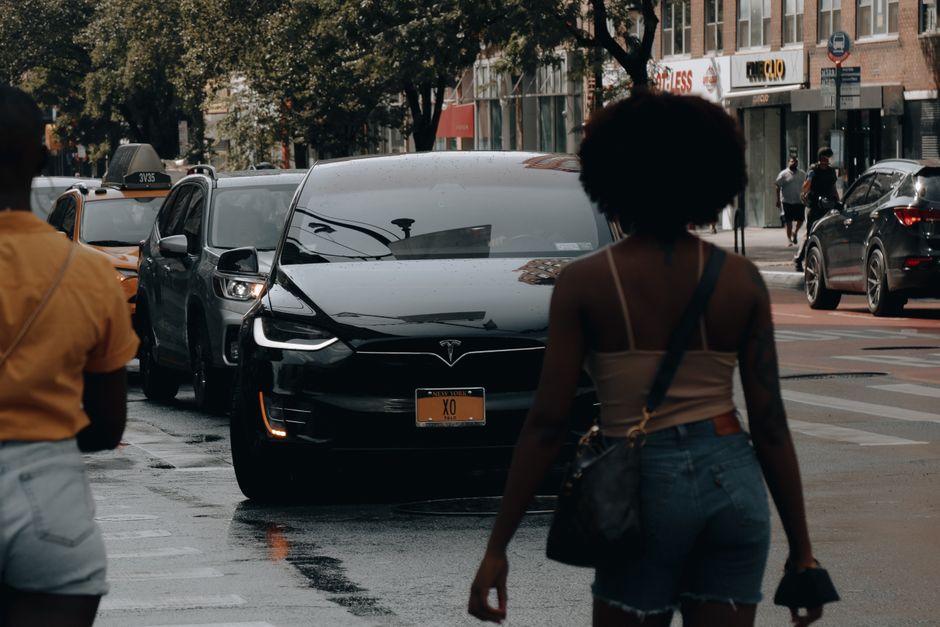
If you're leaning toward yes, here's how to protect yourself:
Get a Full Battery Health Report
This is non-negotiable. Most reputable dealers, including Premium Autos Inc, can pull battery diagnostics. You want to see exactly how much capacity remains and what the degradation curve looks like.
Inspect for Hardware Generation and Features
Newer doesn't always mean better, but hardware matters. Ask which version of Autopilot hardware the car has. Check if it qualifies for future autonomous updates. Confirm what features come standard and whether you'll have access to Supercharging (some older cars have different connectors in other regions).
Test Drive in Real Conditions
Drive it in city traffic, on the highway, and in conditions you'll actually use. Test acceleration, braking, Autopilot engagement, and navigation. Make sure the infotainment system feels intuitive to you. Electric cars feel different—make sure you like the feeling.
Verify Service History
Used Teslas with documented service records are worth the premium. You want to know it was maintained properly and if there were any major repairs or replacements.
Check Warranty Coverage Remaining
Tesla's original warranty is 4 years/50,000 miles on most components. Battery warranty extends to 8 years/120,000 miles. Exactly how much coverage remains depends on the specific car's age and mileage. Confirm what's left and whether any extended warranties are available.
Finding the right used Tesla that fits your lifestyle and budget takes time, but it's worth getting right. Premium Autos Inc has California's largest used Tesla inventory, with models across different years, price ranges, and feature sets. Our team can walk you through the pros and cons specific to each vehicle and help you find one that actually matches your real-world needs—not just the marketing hype.
Bottom Line on Used Tesla Pros and Cons
Used Teslas are genuinely compelling cars if you have the right setup. Lower costs, amazing acceleration, minimal maintenance, and access to cutting-edge technology are real advantages. But battery degradation, charging infrastructure dependency, and limited repair options are real trade-offs that matter. Be honest with yourself about your daily driving patterns, charging access, and comfort level with EV ownership.
The best used Tesla for you is one that fits your life, not your aspirations. Whether that's a 2023 Model 3 or a different EV entirely, the right choice comes down to your specific situation. Want to explore what's available in your area and talk through whether a used Tesla makes sense for you? That's what we're here for. Reach out and let's find the right car together.
Common Questions About Used Teslas
How many miles can a used Tesla battery realistically last?
Most Tesla batteries are engineered to retain 80-90% capacity after 8-10 years of typical use. That means a used Model 3 you buy today could still deliver 200+ miles of range even after degradation occurs. Tesla's official battery information confirms that degradation slows down significantly after the first few years, so older used cars degrade more slowly than newer ones from this point forward.
Can I charge a used Tesla at home without a fancy setup?
Technically yes, but practically no. A standard 120-volt outlet charges your Tesla at about 2-3 miles per hour. That works if you're gone for days. For daily use, you'll want at least a 240-volt Level 2 charger, which can give you 25-30 miles of range per hour. If home charging isn't realistic for you, a used Tesla becomes significantly less convenient.
Are used Tesla repair costs really that high?
They can be. A simple repair might cost less at Tesla than an independent shop because Tesla does volume. But if you need out-of-warranty battery work or major component replacement, you're potentially looking at $5,000-$15,000+. Compare that to a used Toyota where almost any mechanic can fix almost anything. Factor potential repair costs into your total cost of ownership, especially if the car is older and out of warranty.
What's the best model year to buy used?
The 2021-2023 Model 3 and Model Y represent a sweet spot: modern enough to have good hardware and software, old enough to have dropped significantly in price. Avoid the earliest production batches (2017-2018) unless you get a steep discount—they had more build quality quirks. Anything 2021 and newer is generally more reliable and feature-rich, which is why they hold value better. Whatever year you pick, prioritize condition and battery health over age alone.
Frequently asked questions
Lower Cost, Same InnovationThe biggest win? Price. Used Teslas in Southern California are sitting in the sweet spot right now, with many models available well under $25,000. You're getting cutting-edge electric technology—autopilot features, over-the-air software updates, a minimalist interior—without the new-car premium. If you're comparing a used Tesla Model 3 to a new one after factoring in available rebates, the pricing is actually competitive.Battery Reliability Is Better Than You ThinkMost people worry about battery degradation. Fair concern, but here's the reality: Tesla batteries are designed to last. The manufacturer covers battery replacement if capacity drops below 70% during the warranty period. Plus, electric vehicles avoid the heat-cycle damage on mechanical components that hammers traditional engines over time. That means fewer moving parts breaking down, fewer oil changes, and less wear and tear overall.Lower Operating CostsElectricity is way cheaper than gas in California. You're looking at pennies per mile versus dollars in a gas car. Maintenance? Minimal. No oil changes, spark plugs, transmission fluid, or timing belts. Regenerative braking means your brake pads last significantly longer. Premium Autos Inc customers frequently tell us they're shocked at how little they spend on maintenance after switching from gas.Performance That Feels EffortlessElectric motors deliver instant torque. Even a used Model 3 accelerates like it's got a grudge. There's no gear shift lag, no engine warm-up time. If you've never driven electric, the smoothness is addictive. Couple that with a low center of gravity from floor-mounted batteries, and used Teslas feel nimble and responsive on Southern California roads.Access to EV Infrastructure in Your RegionCalifornia has the most robust charging network in the country. Tesla Superchargers are everywhere, and public Level 2 chargers are abundant. If you live or work where you can charge at home or regularly use public stations, a used Tesla removes the range anxiety equation entirely.The Real Cons You Should Know AboutBut it's not all sunshine. Used Teslas come with legitimate drawbacks that matter before you buy.Battery Degradation Is Real (Eventually)Teslas don't lose 30% of battery capacity overnight, but they do degrade over time. Most owners see 1-3% annual loss in the first few years, slowing down after that. If you buy a 2018 Model 3 in 2026, it's already lost 8+ years of charge capacity. For daily driving, this might not matter. For road trips, it means planning charging stops differently than when the car was new. Check battery health reports before buying any used Tesla—this should be part of your inspection.Charging Requires Planning (And Infrastructure Access)This is huge: you need reliable charging access. If you're parking on the street without a home charger or apartment charging, a used Tesla becomes frustrating fast. You're dependent on public stations, which means slower charging times and less convenience. Cold weather also reduces range, sometimes by 20-40%. If you live in an area with spotty charging infrastructure or don't have home charging, a gas car might actually be more practical.Limited Repair Options and Higher Service CostsNot every mechanic can service a Tesla. Independent shops are improving, but you'll still often need a Tesla service center for complex work. Diagnostic fees and parts can be pricey. If something goes wrong outside warranty coverage, you're looking at significant costs. Compare that to a Honda or Toyota with service shops on every corner.Related: Used Tesla Warranty & Maintenance Costs 2026 GuideTechnology Becomes Outdated QuicklyTesla pushes software updates constantly. Older models sometimes lose features or compatibility. The infotainment system in a 2018 Tesla feels dated by 2026 standards. Hardware generations also matter—newer Teslas have different processors and sensor packages. You're not getting the latest autonomous driving capabilities if you buy older used inventory.Autopilot Limitations Are RealHere's the honest truth: Autopilot is good, but it's not self-driving. It's level 2 autonomy, meaning you need to stay engaged and ready to take control. Marketing sometimes makes it sound more capable than it is. If you're buying a used Tesla expecting hands-off highway driving, reset that expectation. It's an assist feature, not a replacement for paying attention.Older Used Teslas May Have Build Quality IssuesEarly Model 3s and Y's sometimes had panel gaps, interior rattle, or electrical quirks. Not all cars—but some. This is why inspection matters. Premium Autos Inc runs multi-point inspections specifically to catch these issues before you take ownership.Should You Buy a Used Tesla? The Real AnswerA used Tesla makes sense if:You have reliable home or workplace charging accessYour daily driving is under 200 miles (most people)You're comfortable with faster depreciation than traditional carsYou value lower operating costs and minimal maintenanceYou're willing to plan longer road trips around charging stopsYou want cutting-edge tech and acceleration without the new-car price tagA used Tesla might frustrate you if:You can't charge at home or work regularlyYou need unlimited road trip flexibility without planningYou live in an area with poor charging infrastructureYou prefer traditional warranty support and local repair shopsYou're uncomfortable with battery degradation concernsYou want the absolute latest hardware and software featuresHow to Buy a Used Tesla SmartIf you're leaning toward yes, here's how to protect yourself:Get a Full Battery Health ReportThis is non-negotiable. Most reputable dealers, including Premium Autos Inc, can pull battery diagnostics. You want to see exactly how much capacity remains and what the degradation curve looks like.Inspect for Hardware Generation and FeaturesNewer doesn't always mean better, but hardware matters. Ask which version of Autopilot hardware the car has. Check if it qualifies for future autonomous updates. Confirm what features come standard and whether you'll have access to Supercharging (some older cars have different connectors in other regions).Test Drive in Real ConditionsDrive it in city traffic, on the highway, and in conditions you'll actually use. Test acceleration, braking, Autopilot engagement, and navigation. Make sure the infotainment system feels intuitive to you. Electric cars feel different—make sure you like the feeling.Verify Service HistoryUsed Teslas with documented service records are worth the premium. You want to know it was maintained properly and if there were any major repairs or replacements.Check Warranty Coverage RemainingTesla's original warranty is 4 years/50,000 miles on most components. Battery warranty extends to 8 years/120,000 miles. Exactly how much coverage remains depends on the specific car's age and mileage. Confirm what's left and whether any extended warranties are available.Finding the right used Tesla that fits your lifestyle and budget takes time, but it's worth getting right. Premium Autos Inc has California's largest used Tesla inventory, with models across different years, price ranges, and feature sets. Our team can walk you through the pros and cons specific to each vehicle and help you find one that actually matches your real-world needs—not just the marketing hype.Bottom Line on Used Tesla Pros and ConsUsed Teslas are genuinely compelling cars if you have the right setup. Lower costs, amazing acceleration, minimal maintenance, and access to cutting-edge technology are real advantages. But battery degradation, charging infrastructure dependency, and limited repair options are real trade-offs that matter. Be honest with yourself about your daily driving patterns, charging access, and comfort level with EV ownership.The best used Tesla for you is one that fits your life, not your aspirations. Whether that's a 2023 Model 3 or a different EV entirely, the right choice comes down to your specific situation. Want to explore what's available in your area and talk through whether a used Tesla makes sense for you? That's what we're here for. Reach out and let's find the right car together.Common Questions About Used TeslasHow many miles can a used Tesla battery realistically last?
Most Tesla batteries are engineered to retain 80-90% capacity after 8-10 years of typical use. That means a used Model 3 you buy today could still deliver 200+ miles of range even after degradation occurs. Tesla's official battery information confirms that degradation slows down significantly after the first few years, so older used cars degrade more slowly than newer ones from this point forward.
Browse used Teslas for sale at our Norco and South El Monte stores.



