
Premium Autos blog
Used EV vs Used Gas Car: Which Wins?
By Premium Autos · · 6 min read
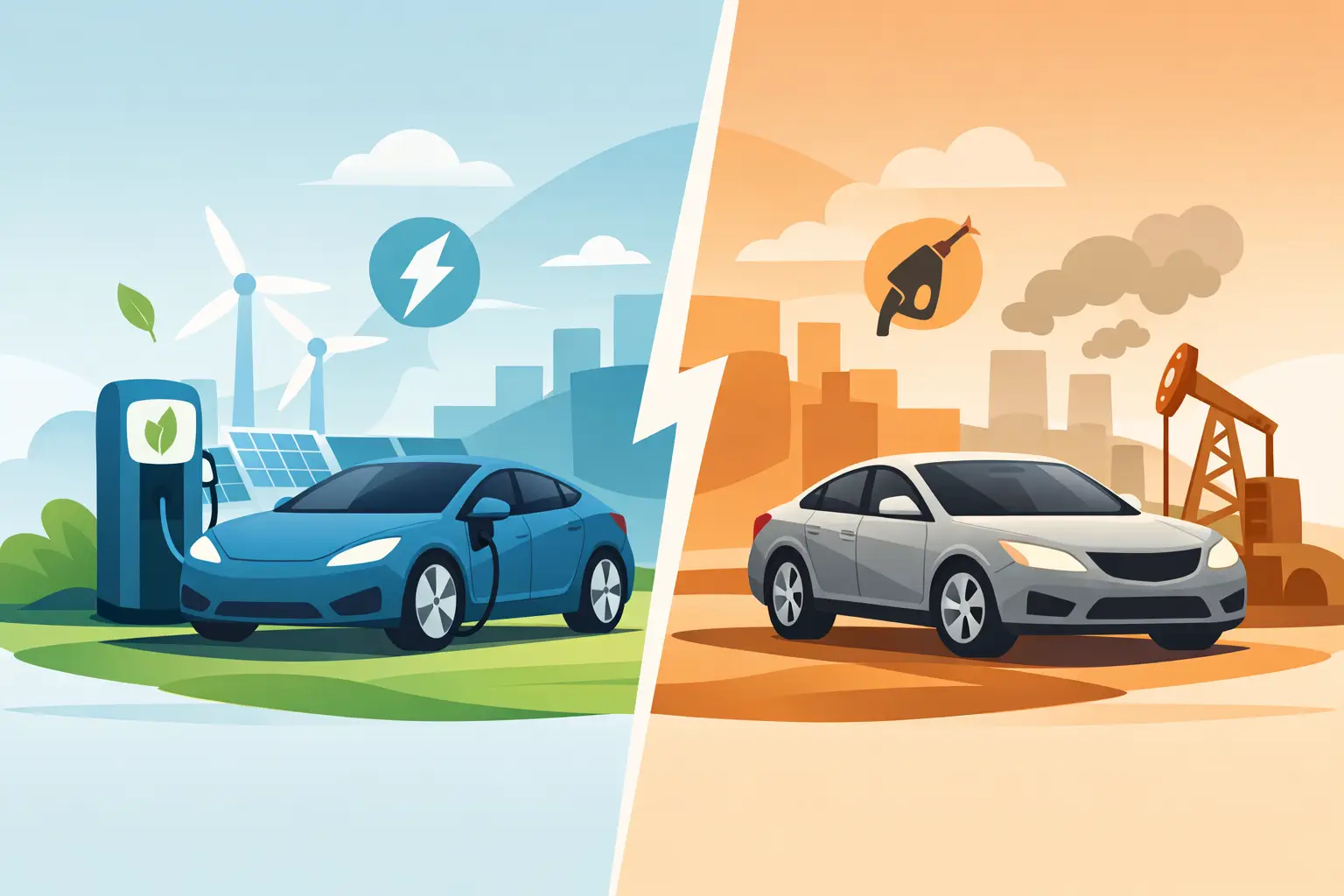
If your monthly commute runs from Corona to Pasadena or Norco to downtown LA, the used ev vs used gas car question gets real fast. This is not just about which one feels newer or has more tech. It is about payment, fuel cost, maintenance, convenience, and whether the car actually fits how you live in Southern California.
For a lot of shoppers, the surprise is that a used EV can make more financial sense than a used gas car even when the sticker price looks similar. But that is not true for everyone. The smart move depends on your driving habits, your charging setup, and how long you plan to keep the vehicle.
Used EV vs used gas car: start with total cost
Most buyers begin with price, but the better question is total cost of ownership. A used gas car may look cheaper up front, especially in older model years, yet that lower purchase price can get eaten up by fuel, oil changes, brakes, and repair items that simply do not exist on most EVs.
A used EV usually costs less to operate day to day. Charging at home is often far cheaper than filling up at California gas prices. EVs also have fewer moving parts, so you are not budgeting for spark plugs, timing belts, transmission service, or regular oil changes. Over time, that difference matters.
That said, the up-front number still matters if you are financing. Some used gas cars come in at lower monthly payments, especially if you are looking at older sedans or compact SUVs. For buyers focused only on immediate payment, a gas model may still be the easier fit. The key is to avoid choosing based on payment alone and missing the bigger cost picture.
Where a used EV usually wins
In Southern California, EV ownership fits especially well because many drivers have predictable routines. If you commute, run errands locally, and can charge at home, a used EV can be one of the easiest vehicles to live with.
The first big advantage is fuel savings. If you drive a lot, the difference between charging and buying gas can be substantial month after month. The second is maintenance. Used EV buyers often appreciate how simple ownership feels once they realize fewer service visits are part of the deal.
Then there is the driving experience. EVs deliver instant torque, smooth acceleration, and a quieter cabin. For first-time EV shoppers, that is often the feature that turns curiosity into a purchase decision. A used Tesla in particular tends to feel more modern than many gas cars in the same price range because the software, screen, and driver-focused design still feel current.
There is also an everyday convenience factor. Waking up to a charged battery can be easier than making gas station stops every week. For busy commuters and families, that routine change is more valuable than it sounds.
Where a used gas car still makes sense
A used gas car is not outdated just because EVs are getting more popular. For many shoppers, it is still the practical answer.
If you cannot charge at home or at work, an EV becomes less convenient. Public charging can work, but relying on it full time is not ideal for everyone. Apartment living, limited parking access, or long gaps between available chargers can make gas ownership simpler.
A gas car can also be the better fit for buyers who take frequent long road trips into areas with less charging coverage or who simply do not want to plan around charging stops. Modern EV range is much better than many people expect, but there is still a difference between five minutes at a gas pump and a longer charging session on the road.
There is another factor buyers should not ignore: vehicle type and budget. In some price ranges, used gas SUVs and trucks offer more choices than used EVs. If you need heavy-duty towing, a specific body style, or the absolute lowest purchase price, gas still has an edge in parts of the market.
Battery anxiety vs engine anxiety
A lot of used EV shoppers worry about battery health. That is normal. But used gas buyers should be just as realistic about engine and transmission risk.
A battery is the headline concern on an EV, yet a gas vehicle brings its own expensive unknowns. High-mileage engines, transmission issues, cooling system failures, emissions components, and deferred maintenance can turn a cheap used gas car into a costly one fast.
With a used EV, battery condition matters, but so does overall vehicle history, mileage, title status, and how the vehicle was maintained. The same logic applies to gas cars. A clean-title vehicle with transparent history is always the stronger play than chasing the cheapest listing and hoping for the best.
This is one reason specialist inventory matters. Buyers comparing used EVs need real answers on range expectations, charging compatibility, and model-specific details instead of vague reassurance.
Charging is the deal breaker for some buyers
The best way to answer the used ev vs used gas car question is to be honest about charging. If you have a house, a garage, or a reliable place to plug in overnight, EV ownership gets much easier. That is the ideal setup.
If you live in a condo or apartment, it becomes more case by case. Some drivers do just fine using workplace charging or nearby public stations. Others get tired of making charging another errand. If that sounds like it would annoy you after two weeks, a gas car may be the better match right now.
This is not about selling every shopper on EVs no matter what. It is about fit. The right used vehicle should make your life easier, not force a routine that does not work for you.
Performance, tech, and daily comfort
Used EVs often feel like a bigger upgrade because the cabin experience is different. Quiet driving, responsive acceleration, smartphone-style interfaces, and advanced driver tech can make a used EV feel newer than its model year suggests.
That is especially true in the Tesla market. Many buyers move from mainstream gas sedans into a used Model 3 or Model Y and feel like they skipped a few generations of automotive tech without paying new-car money. For shoppers who want value and a premium feel, that gap is hard to ignore.
Gas vehicles still offer familiarity, and that matters too. Some buyers prefer the traditional layout, broad service network, and no-learning-curve ownership experience. There is comfort in buying what you already understand.
Financing matters more than people admit
For many households, the real decision is not EV versus gas in theory. It is what gets approved, what the down payment looks like, and what the monthly cost feels like after fuel and maintenance.
That is why shopping with a dealership that understands both sides of the market matters. A buyer with challenged credit may assume a used EV is out of reach when it is not. Another shopper may focus on a lower gas-car payment without realizing the monthly savings on charging could offset the difference.
When financing is structured correctly, the better vehicle is not always the one with the lowest advertised price. It is the one that gives you the strongest mix of reliability, operating cost, and monthly comfort.
So which one should you buy?
Buy a used EV if you have a dependable place to charge, you drive enough to benefit from lower energy costs, and you want newer-feeling tech without new-car pricing. It is often the stronger long-term value play, especially for Southern California commuters.
Buy a used gas car if charging would be a hassle, your budget is tight in the short term, or you need a vehicle type that is easier to find in gas form. There is nothing wrong with choosing the simpler fit for your situation.
At Premium Autos Inc, we see both kinds of buyers every day. Some are ready for a used Tesla and never look back. Others need a clean-title gas SUV with the right payment and fast approval. The best deal is the one that fits your life, not the one with the loudest hype.
If you are weighing your options, slow down just enough to look past the sticker price. The right used vehicle should save you stress, not add to it, and that is usually where the real answer shows up.



