
Premium Autos blog
Tesla Autopilot on Used Cars Explained
By Premium Autos · · 7 min read
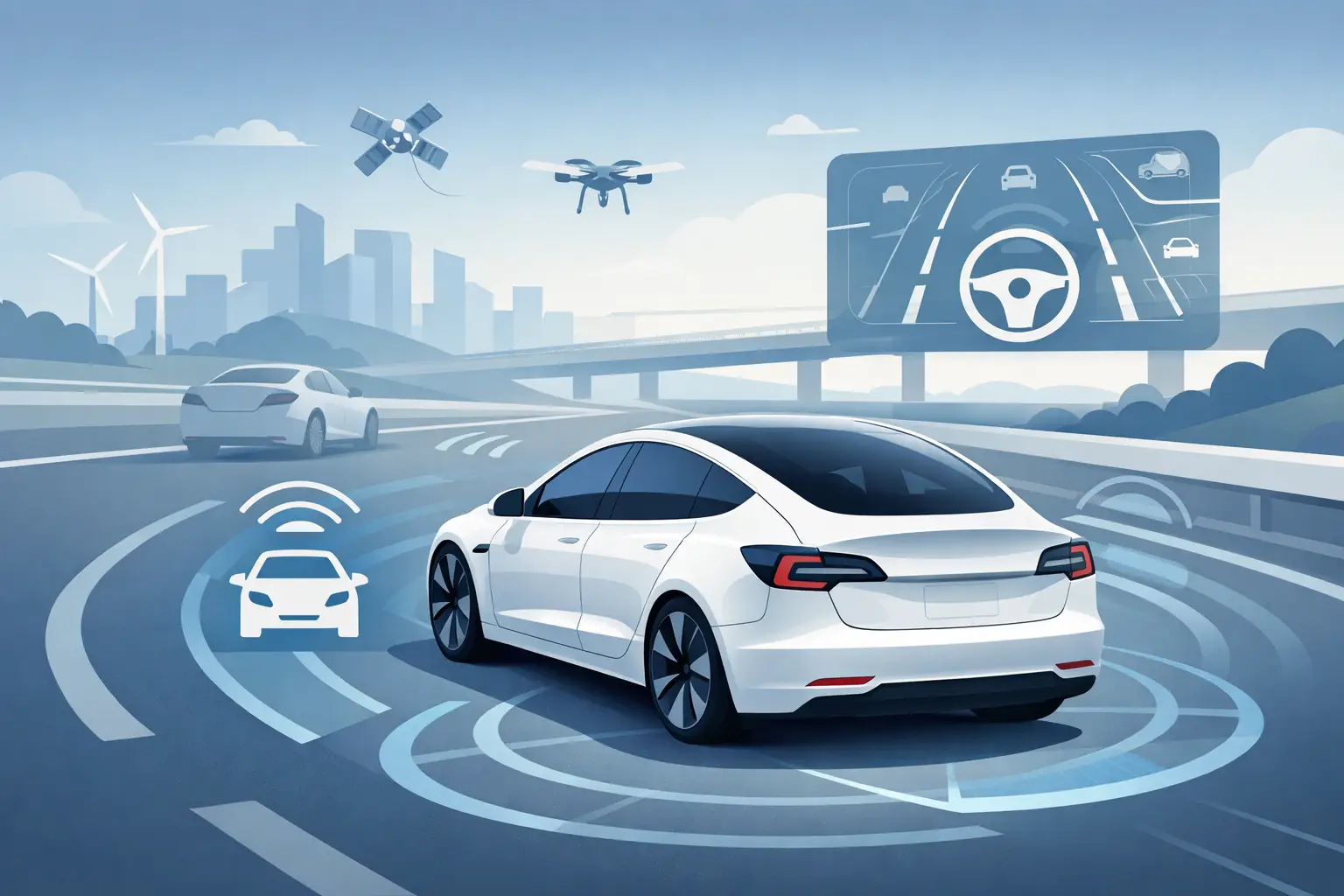
A used Tesla can look like a deal until you realize two cars with the same year, trim, and mileage may not have the same driver-assist features. That is why Tesla autopilot on used cars is one of the first things smart shoppers ask about. It affects value, daily driving, and what you actually get when you take the car home.
If you are shopping for a Model 3, Model Y, Model S, or Model X, the word Autopilot can mean different things depending on the car’s build date, software package, and account status. Some used Teslas come with basic Autopilot, some have Enhanced Autopilot, some include Full Self-Driving capability, and some listings use these terms loosely. The difference matters.
What Tesla autopilot on used cars actually means
At the basic level, Autopilot is Tesla’s driver-assist system. It is not a self-driving car, and it does not replace an attentive driver. On most used Teslas, basic Autopilot typically includes traffic-aware cruise control and lane keeping support. That gives you a more relaxed freeway commute, especially in Southern California traffic, but it is still a hands-on system.
Where buyers get tripped up is the jump from basic Autopilot to higher-level packages. Enhanced Autopilot may add features like automatic lane changes, Navigate on Autopilot, Autopark, and Summon, depending on the vehicle and software. Full Self-Driving capability is a separate paid option tied to more advanced software features, but availability can vary by vehicle and by Tesla’s current software terms.
So when a seller says a used Tesla has Autopilot, that tells you almost nothing by itself. You need to know which package is installed and confirmed on the vehicle screen.
Why used Tesla shoppers should verify features, not just listings
A lot of used car buyers assume software follows the car the same way heated seats or a glass roof do. Sometimes it does. Sometimes it does not work the way shoppers expect.
Tesla has changed package names, bundled features differently over the years, and updated hardware across production runs. A 2018 Model 3 and a 2021 Model 3 might both say Autopilot, but the real-world feature set may not match. Even two similar cars from the same model year can be different.
That is why buyers should verify the active package on the car itself. The touchscreen usually shows whether the vehicle has Autopilot, Enhanced Autopilot, or Full Self-Driving capability under the software or upgrades section. If the feature is present, it should be visible there. If it is not, do not assume it is included because the ad mentioned it.
This is also where buying from a dealership that knows Teslas makes a difference. A general used-car lot may list every Tesla as having Autopilot without understanding the package details. A Tesla-focused dealer is more likely to know the difference between standard driver assistance and paid software upgrades that affect value.
The feature packages that matter most
Basic Autopilot
For many shoppers, basic Autopilot is enough. It generally covers adaptive cruise control and steering assistance within marked lanes. If your daily routine includes freeway miles on the 91, 60, 10, or 15, this can be a real quality-of-life feature.
It is also the most common setup you will see on newer used Teslas. For budget-minded buyers, that is often good news. You still get a strong EV driving experience and modern tech without paying extra for features you may rarely use.
Enhanced Autopilot
Enhanced Autopilot sits in the middle. It can include more convenience-focused functions for highway driving and parking. Not every buyer needs it, but some do value the extra support on long commutes.
The catch is price. On the used market, a Tesla with Enhanced Autopilot may command more money, but that premium only makes sense if you will actually use those features. If you mostly want EV efficiency, over-the-air updates, and a clean daily driver, basic Autopilot may be the better value.
Full Self-Driving capability
This is the package that gets the most attention and the most confusion. Full Self-Driving capability does not mean the car drives itself without supervision. It refers to Tesla’s highest-level paid software package, which may include access to advanced beta or supervised driving features depending on current Tesla policies and vehicle eligibility.
For used buyers, this is where caution pays off. FSD capability can add major value, but only if it is truly active on that specific vehicle. A seller should be able to show it on the screen. If they cannot, treat it as not included.
Does Autopilot transfer on a used Tesla?
Usually, installed Autopilot-related packages stay with the vehicle when ownership changes, but buyers should not treat that as automatic without verification. Tesla’s software policies have changed over time, and specific circumstances can affect what is active when the car changes hands.
The practical move is simple. Before you buy, confirm the package directly in the vehicle menu and match it against the purchase paperwork. If the vehicle is priced as though it includes Enhanced Autopilot or Full Self-Driving capability, that feature should be documented, not just mentioned casually by a salesperson or private seller.
This is especially important in private-party deals. A private seller may honestly believe the car has a feature because it once did, because they subscribed to a service, or because they saw certain menu options. That does not always mean the permanent package is included with the sale.
Tesla hardware matters too
Software is only part of the story. Hardware generation matters because it affects feature compatibility and future capability. Tesla has updated cameras, processors, and sensor strategies over the years. That means two used Teslas with similar software labels may not perform exactly the same way.
For most buyers, the takeaway is not to obsess over every hardware revision. It is to understand that newer used Teslas may offer a more current Autopilot experience, while older models may still be excellent values if your main goal is basic driver assistance and lower monthly cost.
It depends on how you shop. If you want the newest tech possible, lean toward later model years. If you want the best balance of price and Tesla ownership, an older clean-title car with verified basic Autopilot can still be a strong buy.
What to check before buying Tesla autopilot on used cars
Start with the touchscreen, not the window sticker language. Verify the installed package. Then check the VIN history, title status, and overall condition of the car. A software package does not make up for accident history, poor battery health, or cosmetic shortcuts.
You should also ask whether any features are subscription-based versus permanently included. Some buyers confuse a trial, a subscription, or a temporary software state with a lifetime included package. Clear documentation protects you from paying for something the car does not actually have.
If financing matters, think practically about value. Paying more for higher-level Autopilot features may make sense if the monthly difference is small and the features matter to your commute. If your budget is tight, you may be better off focusing on battery range, clean title status, and overall condition first.
That is where a specialist used EV dealer can save you time. Premium Autos Inc works with buyers across the credit spectrum, and that matters because the right Tesla is not just about features. It is also about getting into the right payment, the right trim, and the right condition level without surprises.
Is it worth paying extra for Autopilot features on a used Tesla?
For some buyers, yes. For others, not really.
If you spend hours each week on crowded freeways, basic Autopilot alone can be worth having. It makes stop-and-go driving less tiring and adds a layer of convenience many first-time Tesla owners quickly appreciate.
Enhanced Autopilot and Full Self-Driving capability are more situation-dependent. Some shoppers love the extra functionality and will use it regularly. Others try it a few times and then mostly stick to standard highway assistance. If that sounds like you, paying a large premium for the top package may not be the smartest use of your budget.
The strongest used Tesla purchase is usually the one that balances verified features, clean-title history, battery range, condition, and financing fit. Not the one with the longest software description.
The smart way to shop
When you compare used Teslas, compare the actual package shown in the car, not just the wording in the ad. Ask direct questions. Is it basic Autopilot, Enhanced Autopilot, or Full Self-Driving capability? Is it permanently attached to the vehicle? Can it be shown on the screen right now?
Those answers tell you a lot about the car and the seller. They also keep you from overpaying.
A used Tesla should feel exciting, but it should also feel clear. When the features are verified, the title is clean, and the numbers make sense, you can focus on the part that matters most - getting a vehicle you will enjoy driving every day.
Browse used Teslas for sale at our Norco and South El Monte stores.



