
Premium Autos blog
Premium Autos Inc Buying Guide: Choose Your First Used Tesla in SoCal
By Premium Autos · · 10 min read
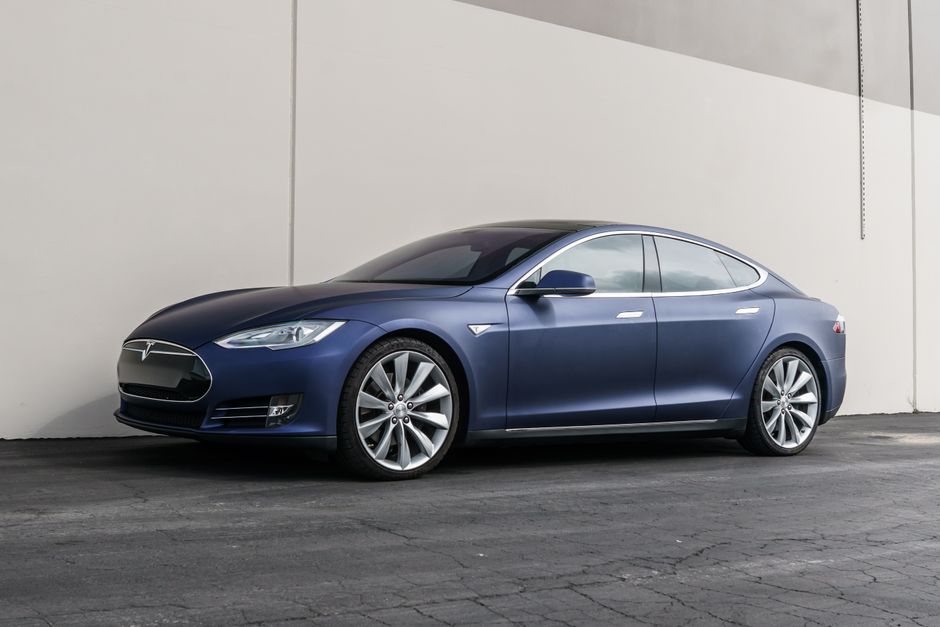
Ready to go electric but don't want to drop $50K+ on a brand new Tesla? You're in the right place. Buying your first used Tesla in Southern California is way less intimidating than you think, and honestly, it's one of the smartest moves you can make right now. New Teslas are averaging around $52,628 as of early 2026, while used models in SoCal start around $13,995 at Premium Autos Inc. That's a massive price difference for basically the same technology and driving experience.
The used EV market is actually heating up in a good way for buyers like you. Tesla sales dipped in 2025, which means more pre-owned inventory hitting dealer lots across Los Angeles and Riverside counties. Plus, most people who go electric don't go back to gas, so these cars have been loved and maintained by EV enthusiasts. Here's how to navigate the process and find the right Tesla for your needs and budget.
Which Tesla Model Should You Buy as a First-Timer?
The Model 3 is your sweet spot if this is your first Tesla. Period. It's the most common model on SoCal roads, parts are accessible, and it's dead simple to understand. The Model 3 handles everything from daily commuting to weekend road trips without any drama.
The Model Y is bigger and a bit pricier, but if you need extra cargo space or prefer an SUV driving position, it's worth the jump. Families with kids usually lean toward the Y because the interior is more spacious and the trunk swallows a ton of gear.
The Model S is the long-range luxury play. More expensive, but if you're doing 200+ mile commutes or want that performance edge, it's the move. The Model X is the same thing but as a three-row SUV, which only makes sense if you need those extra seats.
Skip the Cybertruck if you're a first-timer. It's cool, but it's new, and you want something proven with a solid track record. Same goes for the Roadster if you spot one.
At Premium Autos Inc, you can filter inventory by model right on the website, so you can compare options side by side. Look at the 2021 Model 3 Long Range or the 2023 Model 3 Base as solid starting points.
Related: Why Buy Used Tesla from Premium Autos Inc vs Private Sellers
Related: Best Used Tesla Model 3 in Riverside, CA | Premium Autos Inc
Related: Best Used Tesla for Sale in Inland Empire, CA | Premium Autos Inc
Related: Best Used Tesla for Sale in Pasadena, CA | Premium Autos
Related: Best Used Tesla Model Y Near Los Angeles | Premium Autos
Related: Best Used Tesla for Sale in Los Angeles | Premium Autos Inc
Related: Used Tesla for Sale in West Covina, CA | Premium Autos Inc
Related: Used Tesla for Sale in Los Angeles | Premium Autos
Related: Used Tesla for Sale in Ontario, CA | Premium Autos
What Year Should You Target?
Here's the real talk: 2020 and newer is where you want to be. Older Teslas (2018-2019) are cheaper upfront, but you're taking on more battery degradation risk and potentially higher repair costs if something goes wrong.
The sweet spot is 2021-2023. You get modern tech (the interior redesign happened around 2021), decent battery health for most daily uses, and prices that won't make you cry. A 2021 Model 3 with 80,000 miles still has years of solid driving ahead if it's been maintained right.
2024 models are the newest option but cost more since they're barely used. Only grab one if you find it priced competitively and the mileage is extremely low.
Here's what to avoid: anything older than 2018. Battery degradation kicks in hard after 150,000+ miles, and you're looking at potential $8,000-$15,000 battery replacements if things go south. Not worth the short-term savings.
Mileage Matters More Than You Think
Tesla motors are built different from gas engines. They have fewer moving parts, no oil changes needed, and basically no transmission fluid to fret over. That said, mileage is still your best indicator of how much life the battery has left.
Ideally, you want under 100,000 miles. That's the sweet spot where the car is still young, the battery is in solid shape, and you're not inheriting someone else's wear and tear. A 2021 Model 3 with 60,000 miles is basically a steal.
80,000-120,000 miles is acceptable if the price is right and the vehicle history is clean. Just know the battery might lose 5-10% of its original range by this point. That's normal and nothing to panic about.
Over 120,000 miles gets sketchy. Battery degradation accelerates, and you're closer to potential warranty expiration. Premium Autos Inc inspects every Tesla thoroughly, including battery health assessment, so you know exactly what you're getting.
Battery Health: The Most Important Inspection

This is where first-time buyers mess up. You can't just kick the tires and call it a day with an EV. Battery health is everything.
When you test drive a used Tesla, the onboard computer will show you the battery's state of health percentage. Anything above 85% is great. 80-85% is good. Below 80%? Walk away unless the price reflects it heavily.
Here's why: a degraded battery means less range. A car that originally did 300 miles might only do 250 miles now. That affects your daily driving and resale value down the line. Premium Autos Inc includes battery health assessment in their multi-point inspection process, so you're not flying blind.
Ask about the car's charging history too. Teslas that were fast-charged constantly (at Superchargers) degrade battery faster than cars charged at home on Level 2 chargers. Someone who road-tripped every weekend might show more wear than a regular commuter.
Price Points: What to Expect in SoCal
Used Teslas under $15,000 exist and they're real. You'll typically find older models (2018-2019) or higher mileage examples in this range. It's doable if you're okay with a car that's been around the block.
$15,000-$25,000 is where the magic happens. This is the Goldilocks zone where you get a solid 2020-2022 model with reasonable mileage and good battery health. Most first-time buyers land somewhere here.
$25,000-$35,000 gets you into newer 2023 models or lower-mileage 2022 examples. Still way cheaper than new, but with almost all the bells and whistles.
$35,000+ means you're looking at 2024 models, or maybe a Model S or Model Y with premium trim levels. This is overkill for a first-timer, but hey, if you want it, the option exists.
Negotiation Points That Actually Work
Don't just accept the sticker price. Here are the levers you can actually pull:
- Battery health below 90%? Negotiate down. That's legitimate wear.
- Accident history on the Carfax? Use it. Even minor accidents can affect resale.
- Cosmetic damage (scratches, dents)? Bundle it into a price reduction discussion.
- Warranty terms. Some dealers offer extended warranties. Push for that instead of a lower price if you're nervous about repairs.
Don't negotiate emotionally. You're buying a car, not adopting a puppy. If the numbers don't work, there's another Tesla on the lot that will be better.
Financing and Insurance Reality Check
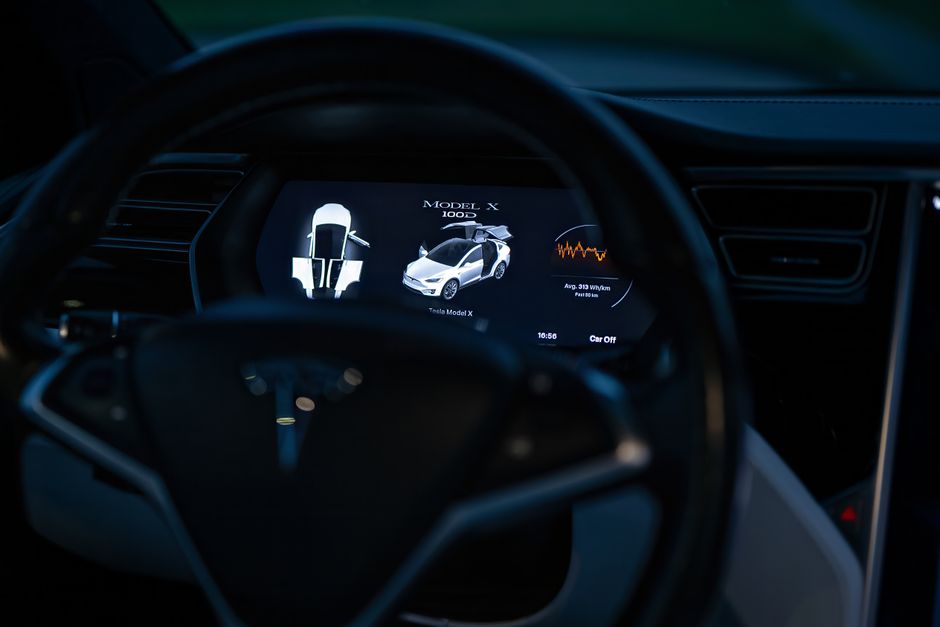
Tesla insurance rates have climbed in recent years, so factor that into your total cost of ownership. An extra $30-50 per month on insurance might wipe out your gas savings initially. Get a quote before you commit to a car.
Financing is where Premium Autos Inc shines. They work with buyers of all credit types and offer flexible financing options. If you've had credit hiccups in the past, you can still get approved. Use their Pre Qualify tool to see what rates you qualify for before walking into the dealership.
Monthly payments on a $20,000 car depend on your down payment and credit score, but you're typically looking at $300-450 a month for a 60-month loan. That's way less than buying new and way less than what you'll pay in gas savings over the life of the car.
Red Flags to Watch Out For
If a Tesla has been in a major accident, move on. Water damage, frame damage, or structural repairs are expensive nightmares down the road. The Carfax report is your friend here.
Battery replacement history? Huge red flag. If the battery has been replaced, it's usually a sign the original battery failed prematurely, which is rare but happens. A replaced battery resets the warranty, but you should still be cautious.
Mystery dents or mismatched paint panels suggest poor service history or hidden accident repair. Ask the dealer directly why they're there.
Supercharger-only charging history with high mileage screams that the previous owner was reckless with the battery. Regular people plug in at home. Road warriors use Superchargers non-stop, which degrades the battery faster.
The Final Checklist Before You Buy
Before you sign anything, make sure you've verified these things:
- Battery health is above 85%.
- Mileage is under 120,000 (ideally under 100,000).
- Year is 2020 or newer (2021+ preferred).
- Carfax report is clean with no major accidents.
- You've test driven it and the acceleration, braking, and handling feel smooth.
- All systems (climate control, infotainment, autopilot basics) are working.
- You've gotten an insurance quote and factored it into your budget.
- Monthly payment fits comfortably into your budget without stretching.
Honestly, the dealership team at Premium Autos Inc can walk you through all of this. They specialize in used Teslas and know the quirks of each model year inside and out. They've already done the heavy lifting on inspection and battery assessment, so you can shop with confidence.
Why Used Tesla Ownership Wins Right Now
Here's the thing: most people who buy a Tesla never go back to gas. Research shows that EV owners who leave the brand typically stay in the EV market rather than reverting to traditional cars. That tells you everything you need to know about how good these cars actually are.
A used Tesla gives you that same reliable, fun, low-maintenance driving experience without the new car price tag. You get to skip the depreciation cliff that hits new cars hardest in the first two years. And you're driving a car that's already proven its durability on the road.
Southern California is the absolute best place to buy and own a used Tesla. The charging infrastructure is built out, used inventory is abundant, and dealers like Premium Autos Inc have the expertise to match you with the right car. Stop overthinking it and go take a test drive this weekend.
Related: Best Used Tesla Model Y in Southern California | Premium Autos
Related: Best Used Tesla Model S Plaid in Southern California | Premium Autos Inc
Related: Used Tesla Under $20,000 in Southern California | Premium Autos Inc
What year Tesla should I buy as a first-timer?
Target 2021-2023. You get modern tech, solid battery health, and reasonable pricing. 2020 is acceptable, but avoid anything older than 2018 unless you're getting a steep discount and the mileage is under 80,000.
How much mileage is too much on a used Tesla?
Over 120,000 miles gets risky. Aim for under 100,000 if possible. Battery degradation accelerates beyond 120,000 miles, and you could be looking at expensive repairs. At 80,000-120,000 miles, the car is still solid if battery health is above 85%.
Do used Teslas need special maintenance?
Way less than gas cars. No oil changes, no transmission fluid, no spark plugs. You'll do brake fluid flushes every few years and replace cabin air filters. Tire rotations and alignments are standard. Battery cooling fluid may need attention on older models. Overall, maintenance costs are a fraction of what you'd pay on a gas car.
How do I know if a used Tesla's battery is healthy?
The onboard computer shows you the battery's state of health percentage. Anything above 85% is great. You can also ask the dealer to run a full diagnostic. Premium Autos Inc includes battery health assessment in their inspection report, so you get a detailed breakdown before you buy.
Browse used Teslas for sale at our Norco and South El Monte stores.



