
Premium Autos blog
Electric Car Battery Lifespan: What You Really Need to Know
By Premium Autos · · 7 min read
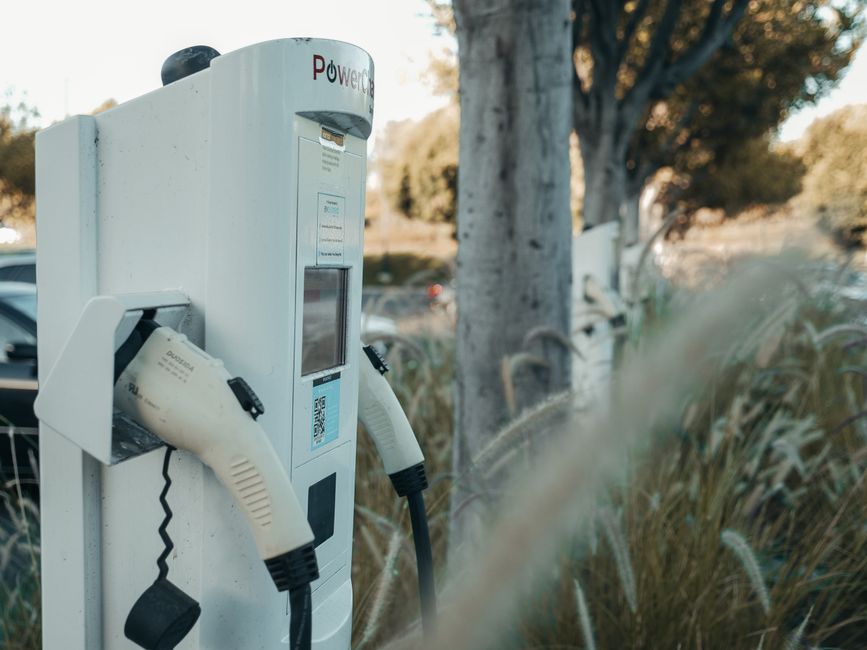
Here's the truth about electric car battery lifespan: most EV batteries last 10 to 20 years under normal driving conditions, and many can keep going even longer. If you're shopping for a used EV and worried that the battery's going to die on you next month, take a breath. Modern lithium-ion batteries are built to handle real life.
The real story isn't about sudden failure. It's about gradual, manageable degradation that happens so slowly you might not even notice it. Let's break down what actually happens to your battery, what the warranty covers, and how to keep yours healthy for the long haul.
Related: Average Car Battery Life: How Long Do They Really Last?
Related: Model Y Closed Glass Roof: What You Need to Know
How Long Do EV Batteries Really Last?
When manufacturers talk about battery lifespan, they're usually measuring when your battery hits 70% of its original capacity. That's the industry standard for saying a battery has reached "end of life." But here's the thing: 70% capacity doesn't mean your car stops working. It means you've got maybe 10-20% less range than when it was brand new.
Most EVs are designed to comfortably exceed 100,000 miles before you even get close to that 70% threshold. If you drive normally, your battery will still be in the 80-90% capacity range at 100,000 miles. That's not a problem. That's just reality.
Studies from places like the National Renewable Energy Laboratory show that EV batteries are proving to be more durable than original expectations. Real-world data beats speculation every time.
What Does Your EV Battery Warranty Actually Cover?
In the US, you're looking at pretty solid protection. Most manufacturers guarantee 8 years or 100,000 miles, whichever comes first. During that time, they promise at least 70% capacity retention. If your battery degrades faster than that, it's covered under warranty.
Think about it: if you're buying a used EV that's 3-4 years old, you still have half the warranty left. That's real peace of mind. If something goes wrong, you're protected.
When you're evaluating used electric vehicles, always check how much warranty time and mileage remain. Premium Autos Inc walks you through warranty details on every vehicle so you know exactly what you're getting.
Related: Is a High Mileage Tesla Worth It? What You Need to Know
What Actually Affects Your Battery Lifespan?
Your battery doesn't degrade in a vacuum. How you use and charge your EV makes a real difference. Here are the main factors that impact longevity:
Related: Used Tesla Battery Warranty: What You Need to Know
- Extreme temperatures: Heat and cold both accelerate degradation. If you live somewhere with brutal summers or winters, your battery might age a bit faster. Normal Southern California conditions? You're in the sweet spot.
- Charging habits: Charging to 100% constantly or letting the battery drain to near-zero regularly stresses the cells. Most EV owners benefit from keeping their charge between 20-80% for daily driving.
- Driving patterns: Frequent rapid DC charging (like road trips) causes slightly more stress than regular home charging. But it's not a dealbreaker. It's just a gradual trade-off.
- Overall vehicle age: A battery that's sat unused degrades slower than one in constant use. But that doesn't mean you should avoid driving your EV. Normal use actually keeps the battery healthier long-term.
The good news? Under normal conditions, you don't have to obsess over any of these factors. Your battery will do its job.
Real-World Battery Degradation: What to Expect
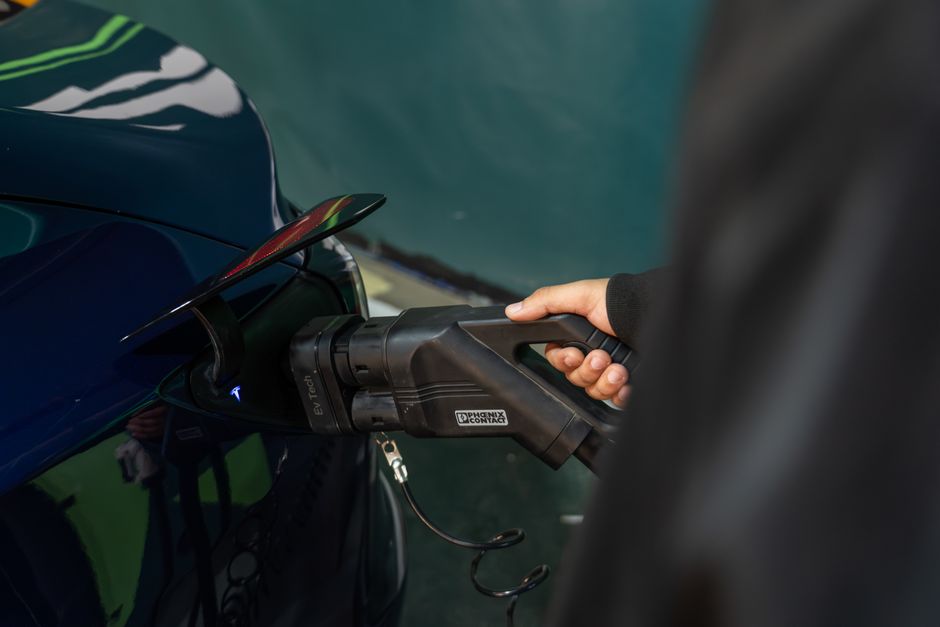
Let's say you buy a used Tesla with 50,000 miles on it. The battery is probably sitting around 95-98% of its original capacity. After another 50,000 miles of normal driving, you might see it drop to 90-92%. After 200,000 miles total? Probably still in the 80-85% range.
That's not a crisis. That's just how lithium-ion chemistry works. It's predictable and manageable.
Extreme cases are rarer. To hit that 70% capacity threshold, you'd typically need to put serious years or miles on the vehicle under less-than-ideal conditions. And even then, 70% capacity means your car is still functional. You're just working with less range.
If you're looking at a specific used EV, Premium Autos Inc performs a multi-point inspection that includes checking battery health diagnostics. You'll know exactly where your battery stands before you buy.
How to Maximize Your Battery's Lifespan
Want your EV battery to stay healthy as long as possible? Here's what actually works:
- Avoid extreme heat exposure: Park in shade when you can. Don't leave your car in the sun all day if possible. Use the preconditioning feature before long drives in hot weather.
- Keep charges between 20-80% most days: This is the sweet spot for battery chemistry. You don't need to charge to 100% unless you're taking a road trip.
- Use level 2 charging when possible: Home charging is gentler on your battery than DC fast charging. Save the fast chargers for road trips.
- Don't let your battery sit at zero: If you're not using your EV for a few weeks, charge it to 50% before you park it.
- Keep your vehicle software updated: Manufacturers release battery management updates that improve longevity and efficiency.
These habits aren't mandatory. They're just ways to squeeze extra years out of your battery if you want to go the distance.
Should You Be Worried About Battery Replacement Costs?
Here's the thing: battery replacement is expensive if it happens outside warranty. We're talking $5,000-$15,000 depending on the vehicle. But the chance of needing a battery replacement in the first 8-10 years is low for most owners.
Related: Electric Car Battery Replacement Cost in 2026
And remember, most used EVs you'd buy today will still have significant warranty coverage. If the battery fails prematurely, you're covered. If it doesn't fail (which is the likely scenario), you've got no problem.
When you're shopping for used EVs, battery health and remaining warranty should be two of your top three questions. At Premium Autos Inc, we make sure you have complete visibility into both before you drive off the lot.
Used EVs vs. Brand New: Battery Perspective
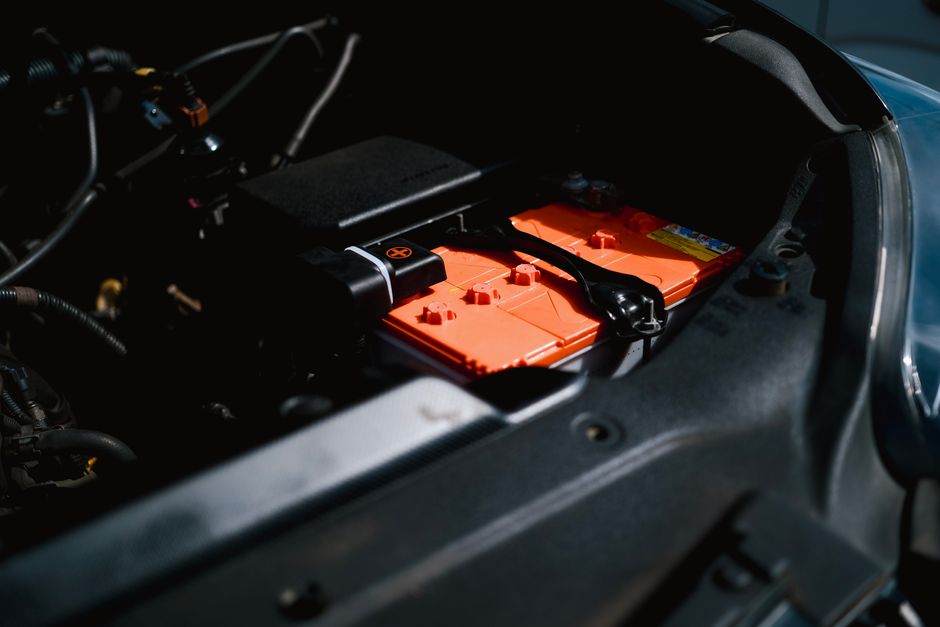
One of the biggest advantages of buying used is that you're not paying the premium for brand new. A used EV with 30,000-50,000 miles is already broken in. The battery's proven it's not going to fail suddenly. You're buying a vehicle that's shown its reliability in the real world.
Plus, if you're budget-conscious, buying used means you can afford a quality EV instead of settling for a gas car you didn't want. Many used Teslas and quality EVs are available under $25,000, and they'll outlast your ownership period easily.
The Bottom Line on EV Battery Lifespan
Your EV battery isn't a ticking time bomb. It's a proven, durable component that's built to last. Whether you're buying new or used, you're getting solid warranty protection and real-world evidence that these batteries perform.
The fear around EV batteries is mostly outdated. Modern EVs are lasting longer than people expected. Your battery will degrade gradually and predictably. And most owners will never face a replacement cost because batteries will outlast their ownership period.
If you're ready to buy a used EV and want a dealer who gets battery health seriously, Premium Autos Inc has the largest selection of pre-owned Teslas and quality EVs across Southern California. We inspect every battery, explain your warranty, and help you make a decision with full confidence.
People Also Ask
Can an EV battery last 20 years?
Yes, absolutely. Many EV batteries can last 20+ years with normal care. Some early Tesla owners are hitting 200,000+ miles on original batteries, which proves that 20-year lifespan is realistic for most owners.
What happens when an EV battery reaches 70% capacity?
It's not a sudden shutdown. Your car still works perfectly fine. You just have about 20-30% less range than when it was new. For example, a car that originally had 300 miles of range might now have 210 miles. Most people adjust their driving habits without any real impact on daily life.
Does cold weather really hurt EV batteries?
Cold weather can temporarily reduce range and charging speed, but it doesn't permanently damage your battery. Once your car warms up, performance returns. Regular use in cold climates might cause slightly faster degradation over many years, but we're talking small differences.
Should I avoid fast charging to protect my battery?
Not if you need it. DC fast charging causes slightly more stress than home charging, but it won't ruin your battery. Use fast charging when you need it for road trips. For daily charging, home level 2 charging is gentler. Neither choice will significantly impact your battery's 10-20 year lifespan.



