
Premium Autos blog
Clean Title Versus Salvage: What to Buy
By Premium Autos · · 6 min read
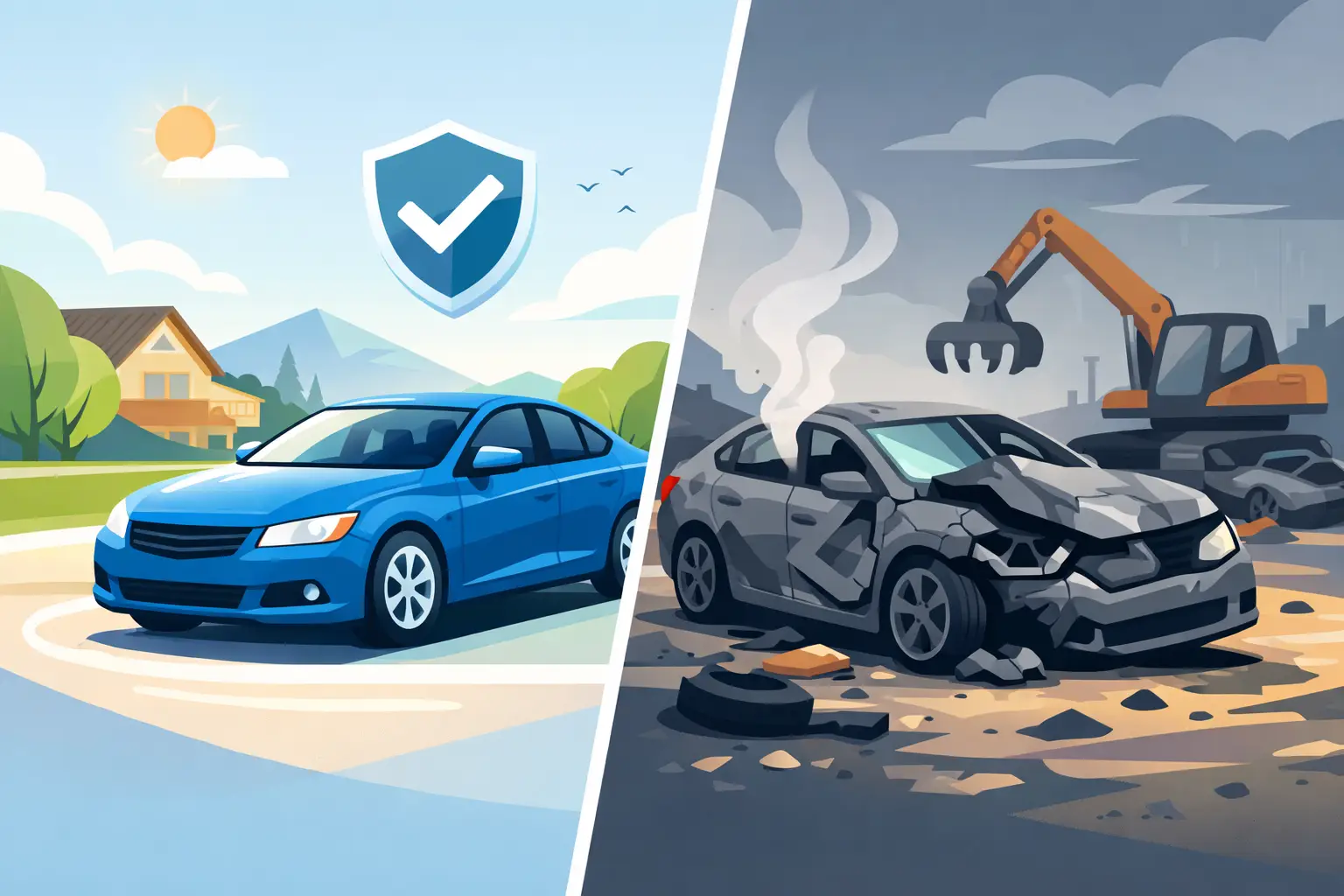
A low price can make almost any used car look tempting, especially when the photos are sharp and the monthly payment seems easy to handle. But when you compare clean title versus salvage, the gap is bigger than sticker price. Title status affects financing, insurance, resale value, long-term confidence, and how easy the vehicle will be to own once the excitement of buying wears off.
For many shoppers, this decision gets framed too simply. Clean title sounds safe. Salvage sounds risky. Real life is a little more nuanced than that, but not by much. If you want the short version, most buyers are better off with a clean-title vehicle because it is easier to finance, easier to insure, easier to resell, and generally easier to trust. Salvage can make sense for a narrow group of buyers who know exactly what they are looking at and are comfortable with the trade-offs.
Clean title versus salvage: the real difference
A clean title usually means the vehicle has not been declared a total loss by an insurance company. That does not guarantee a perfect history, but it does mean the car has not crossed that major threshold where damage or loss was serious enough for the insurer to write it off.
A salvage title is different. It means the vehicle was declared a total loss at some point. That can happen because of collision damage, flood damage, theft recovery, fire, vandalism, or other major events. In some cases, a salvaged vehicle is repaired, inspected, and returned to the road with a rebuilt title depending on state rules. Even then, the history does not disappear. The fact that it was once salvage continues to matter.
That distinction shows up in almost every part of ownership. A clean-title car generally gives you more flexibility and fewer headaches. A salvage or rebuilt-title car may cost less up front, but the lower price often comes attached to more questions than answers.
Why clean-title vehicles usually win
The biggest advantage of a clean-title vehicle is predictability. Buyers want to know what they are getting, lenders want to know what they are financing, and insurance carriers want to know what they are covering. Clean-title cars make that process smoother.
Value is part of it. A clean-title vehicle usually holds value better than a salvage or rebuilt-title one. If you plan to trade in later, sell privately, or upgrade to a newer model, that matters. Even if the car drives great today, title branding tends to follow it for life and reduce what the next buyer is willing to pay.
Financing is another major factor. Many lenders are more cautious with salvage or rebuilt titles, and some will not finance them at all. Others may require different terms, higher rates, or lower loan-to-value limits. For shoppers who want straightforward approval and reasonable monthly payments, a clean title keeps more options open.
Insurance can be just as important. Some insurers limit coverage on branded-title vehicles or value them differently after an accident. That can create unpleasant surprises when you need comprehensive or collision coverage. A clean title does not automatically mean cheap insurance, but it usually means fewer complications.
Then there is peace of mind. Most shoppers are not buying a project. They are buying transportation for work, school, family life, commuting, or weekend travel. A clean-title vehicle aligns better with that goal because it removes one large source of uncertainty.
When a salvage vehicle attracts buyers
There is a reason salvage vehicles still get attention. Price moves people. If a late-model vehicle looks great and is listed far below comparable clean-title cars, it naturally pulls interest.
For some buyers, that lower price is the whole point. A salvage or rebuilt vehicle can seem like a shortcut into a nicer model, lower miles, or more features for less money. That can be especially appealing in expensive markets where monthly budget matters more than almost anything else.
Sometimes the repairs were done properly. Sometimes the damage was cosmetic rather than structural. Sometimes the car has already been driven for years after repair with no obvious issue. Those cases exist, and that is why the category is not completely off limits.
But this is where buyers get into trouble. You are not just buying the car as it looks today. You are buying the quality of past repairs, the accuracy of documentation, the willingness of future lenders and insurers to work with you, and the resale limitations that come with a branded title. If any of those parts are weak, the upfront savings may not feel like savings for long.
The trade-offs most buyers underestimate
Repair quality is hard to judge from the outside
A vehicle can look excellent after repair and still have hidden issues. Panel gaps, suspension alignment, sensor calibration, battery protection, frame integrity, airbag replacement, and electrical systems all matter. That is true on any modern car, and it matters even more on advanced vehicles loaded with cameras, driver-assist features, and expensive components.
For EV shoppers, the stakes can be higher. Battery systems, charging components, and high-voltage hardware need correct repair procedures. A branded-title EV may look like a bargain, but if repairs were incomplete or poorly documented, the risk is not theoretical.
Resale can be tougher than buyers expect
A lot of people say they plan to keep the car forever. Then life changes. A new commute, growing family, job relocation, or better credit profile can put resale back on the table faster than expected. When that day comes, title history matters. Many buyers will skip branded-title vehicles immediately, which shrinks your audience and usually pushes your value lower.
Insurance and financing friction adds up
Even if you find a lender and insurer willing to work with a salvage or rebuilt title, the process may still be more limited or more expensive. That can erase part of the price advantage. A car that looks cheaper on paper can become less attractive once higher rates, stricter terms, or reduced coverage enter the picture.
Who should buy clean title versus salvage
For the average used-car buyer, the answer is clean title. If you want dependable transportation, easy financing, stronger resale, and fewer surprises, clean title is the smart move. This is especially true for first-time buyers, commuters, families, and anyone shopping on a payment who cannot afford a costly mistake.
Salvage or rebuilt may fit a more specific buyer. Someone with deep mechanical knowledge, access to trusted inspections, comfort with limited resale, and enough financial flexibility to absorb risk may decide the discount is worth it. That is a smaller group than many listings would suggest.
If you are comparing two similar vehicles and one is clean title while the other is salvage, the clean-title car usually brings better long-term value even if the purchase price is higher. Paying more up front can save money and stress over the full ownership cycle.
What to check before you buy
If you are considering any used vehicle, title status should be one of the first filters, not an afterthought. Ask to see the vehicle history report. Review ownership history, accident entries, title branding, and mileage records. If anything looks unclear, pause.
Next, think beyond the sale price. Ask what insurance may look like. Ask whether the vehicle qualifies for standard financing. Ask yourself how long you plan to keep it and how much resale matters. A good deal is not just about getting in cheap. It is about owning with confidence.
If a branded-title car is still on your radar, an independent pre-purchase inspection is not optional. You want a qualified expert who understands structural repairs, safety systems, and on newer vehicles, electronic and calibration issues. Photos and promises are not enough.
For most shoppers in Southern California, where there are plenty of used cars, trucks, SUVs, and EVs on the market, waiting for the right clean-title option is often the better play. You may spend more at signing, but you are buying a stronger position for financing, ownership, and future trade value.
That is why dealerships that focus on clean-title inventory continue to stand out. At Premium Autos Inc, that emphasis speaks directly to what buyers want most - better value without the baggage that can come with a branded title.
A used car should make your life easier, not more complicated. If you are weighing clean title versus salvage, think past the discount and focus on the full picture. The best buy is the one that still feels like a good decision six months later.



